Midlands Correspondent
Kwekwe General Hospital is struggling to accommodate patients as prolonged admissions of silicosis sufferers put pressure on the institution’s limited ward space, amid a sharp rise in cases of the incurable occupational lung disease in the mining community.
Speaking to journalists on the sidelines of a donation of essential baby supplies by Kwekwe Mayor Councillor Albert Zinhanga to two mothers who gave birth to triplets at the hospital, medical superintendent Dr Tinashe Gunda said most silicosis patients were men and often required longer hospital stays.
“The biggest challenge we have is space. We don’t have enough space. Most silicosis patients are male, and we only have one male ward for both medical and surgical patients. Silicosis patients usually stay longer in the wards, so we run out of space,” said Dr Gunda.
He said the construction of an additional male ward would help ease congestion and improve the hospital’s capacity to accommodate patients requiring prolonged care.
“We want a new male ward to be constructed,” he said.
The pressure on the hospital comes amid growing concern over silicosis cases among miners in Kwekwe and other mining districts in the Midlands province.
Kwekwe General Hospital recorded 161 silicosis admissions between January and August 2026 The increase in cases highlights the growing burden of the disease on local health services, although admissions figures alone do not establish how many people developed the condition during that period.
Artisanal and small-scale miners are particularly vulnerable because their work can expose them to fine crystalline silica dust released during activities such as drilling, crushing and processing rock. Without adequate dust suppression, ventilation and suitable respiratory protection, repeated exposure can cause irreversible damage to the lungs.
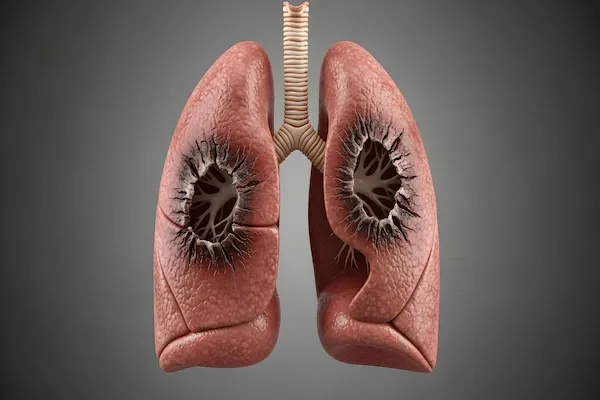
Silicosis develops when inhaled silica particles trigger inflammation and scarring in lung tissue, making it increasingly difficult for the lungs to absorb oxygen. The disease may take years to develop, although intense exposure can cause more rapidly progressing forms.
Common symptoms include a persistent cough, shortness of breath, fatigue and chest pain. As the disease advances, sufferers may experience severe breathing difficulties and require oxygen support. In serious cases, silicosis can lead to respiratory failure and death. There is currently no cure, although medical care can help manage symptoms and complications.
The disease also increases the risk of tuberculosis (TB), another major health concern in mining communities. Silica exposure and silicosis can impair the lungs’ defences against TB infection, making screening and early diagnosis particularly important among current and former miners. People suffering from both conditions face an increased risk of severe illness and death.
Meanwhile, Dr Gunda said screening programmes targeting silicosis and TB were gaining momentum, with miners responding positively to calls to undergo testing.
“We have got serious improvements that are occurring in our district and province in general in terms of silicosis. The major change is that of screenings that are being done. There are so many TB and silicosis screenings that are taking place since silicosis predisposes to TB. The mining community is responding very well, they are coming in their numbers for screening,” he said.
Dr Gunda said the hospital was hopeful that increased screening would eventually reduce admissions by helping health workers identify affected people earlier and link them to appropriate care.
“We have not yet seen the change in terms of the number of patients who are being admitted because this is a programme that has just started, but I am sure and confident that in a few months’ time we may see the change coming up,” he said.
Health experts stress that early detection and prevention of further exposure are essential because existing lung damage cannot be reversed. Stronger occupational safety measures, including effective dust control, adequate ventilation and appropriate respiratory protection, are also critical to reducing the risk among miners.