By a Correspondent
The National Mine Workers Union of Zimbabwe (NMWUZ) President, Kurebwa Javangwe Nhomboka, has called on Government to increase the tax-free income threshold from US$100 to US$400 in the 2027 National Budget, saying the move would provide much-needed relief to workers grappling with the rising cost of living.
Nhomboka said increasing the tax-free threshold should be among Government’s key priorities in the forthcoming budget, arguing that low-income earners needed to retain more of their earnings to meet basic household expenses.
“We are calling on Government to increase the tax-free threshold from the current US$100 to US$400.
Workers are struggling to cope with the rising cost of living, and the current threshold places an additional burden on already stretched household incomes.
“An upward review would allow workers to retain more of their hard-earned money and improve their capacity to meet essential expenses such as food, accommodation, transport, healthcare and education,” said Nhomboka.
He said taxation policies should take into account prevailing economic realities and the income levels of ordinary workers, particularly those in labour-intensive sectors such as mining.
Nhomboka said the 2027 National Budget should demonstrate a commitment to improving workers’ disposable incomes rather than placing additional pressure on employees whose earnings were already struggling to keep pace with living costs.
Beyond the proposed tax-free threshold adjustment, the union president called for improved remuneration across the mining industry, reiterating the union’s demand for a minimum monthly salary of US$1,200 for the lowest-paid mine worker.
“We have consistently advocated for a minimum monthly salary of US$1,200 for the lowest-paid employee in the mining sector. Workers cannot continue to struggle to meet basic needs while working in an industry that generates significant economic value for the country.
“Our expectation is that economic growth and the wealth generated from mineral resources should translate into better salaries and improved living standards for the people who drive production,” he said.
Nhomboka also urged Government to prioritise occupational health and safety, affordable medical aid, improved pension benefits and stronger social security protections in the mining sector.
“We want to see adequate policies and funding that strengthen workplace safety, improve access to healthcare and protect workers when they retire. The welfare of a mine worker should not end at the mine gate or when they leave employment,” he said.
He further expressed concern over wage adjustments in the mining sector, including the seven percent annual salary increment agreed upon in July 2026, which he said fell short of workers’ expectations.
Nhomboka said wage negotiations should take into consideration the rising cost of living, inflationary pressures and the contribution of workers to mining companies’ production and profitability.
He also called for stronger engagement between Government, employers and labour representatives to ensure that workers’ concerns were reflected in national economic policies.
“We believe workers must be part of the national economic conversation. Government, employers and labour representatives should engage meaningfully to develop policies that promote decent work, fair remuneration and economic empowerment.
“The mining sector cannot achieve sustainable growth while the welfare of its workforce remains a secondary consideration. We want a budget that recognises workers as key stakeholders in national development,” Nhomboka said.
The 2027 National Budget is expected to outline Government’s expenditure priorities and economic policy direction for the coming year, with workers hoping for measures that ease the cost of living, improve disposable incomes and strengthen social protection.
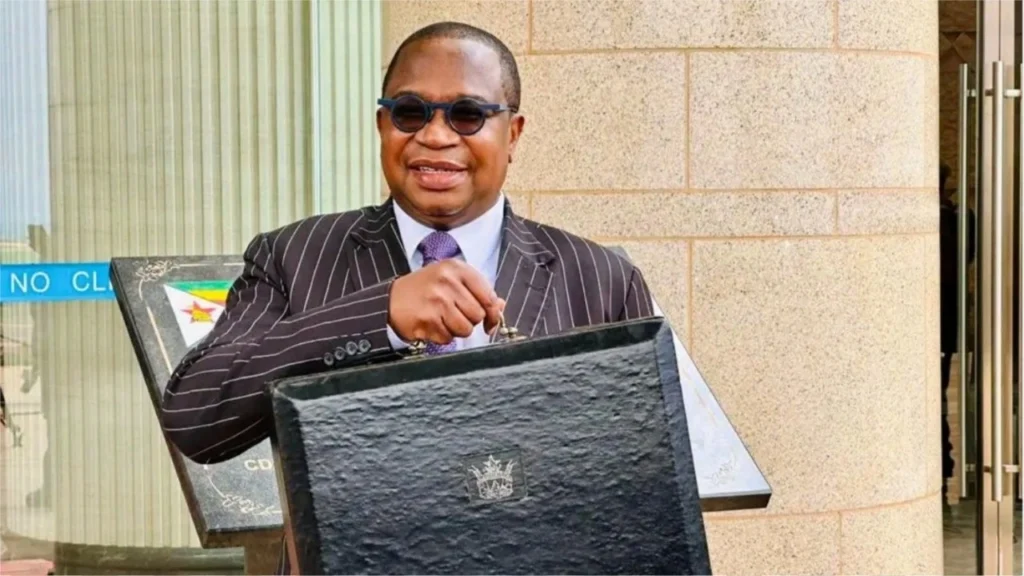
Finance Minister Professor Mthuli Ncube (pictured) is scheduled to present the 2027 National Budget on November 19, 2026.