By Managing Editor
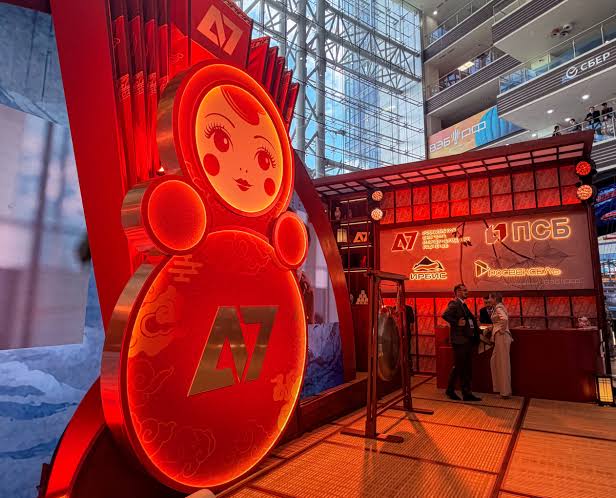
Russian payments company A7 has opened offices in Zimbabwe and Nigeria as it moves to expand its operations across Africa, despite facing Western sanctions over allegations that its financial network has been used to circumvent international restrictions.
The expansion is part of Russia’s broader efforts to establish alternative international payment channels as its businesses face restrictions on accessing Western financial institutions and foreign currencies, according to reports from Moscow.
A7 was established in 2024 by Russia’s Promsvyazbank to facilitate cross-border transactions for businesses affected by Western sanctions.
Speaking at a foreign trade forum organised by Russian business outlet RBC, A7 deputy managing director for sales Stanislav Lazarev said the company intended to provide payment services to Russian businesses as well as African importers and exporters seeking to conduct international transactions.
The company is also planning to extend its presence into other African countries.
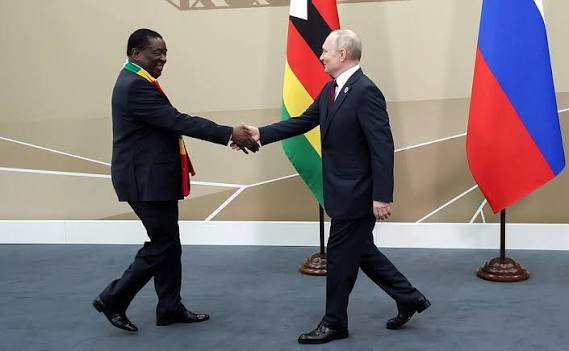
The opening of its Zimbabwean office marks another development in growing financial and economic engagement between Harare and Moscow, which have strengthened diplomatic and commercial relations in recent years.
A7 first announced its African expansion plans in 2025, with Zimbabwe and Nigeria identified as initial markets. Russian officials have also publicly promoted the platform as part of efforts to strengthen financial cooperation with African countries.
According to A7’s first deputy chief executive, Irina Akopyan, the company has established trading houses and payment agents in 150 countries.
China, including Hong Kong, accounted for 55 percent of the company’s transactions during the first nine months of 2026, while the United Arab Emirates was its second-largest market.
A7 reported that the value of payments processed through its platform increased by 54 percent during the period, while the number of transactions rose by 83 percent.
The company has approximately 15 000 clients, most of them exporters operating in the agricultural and metals industries.
Agricultural businesses account for about a third of export payments processed through the platform.
However, A7’s expansion into Zimbabwe comes amid mounting international scrutiny of its operations.
In October, the United States imposed additional sanctions against the company, accusing its network of facilitating transactions linked to sanctioned entities, including Iranian interests and other illicit financial activities.
The US Treasury alleged that A7 had developed a network of affiliated companies and intermediaries to conceal the origins and destinations of certain international payments.
A7 has rejected allegations that it worked with Iran or terrorist organisations, maintaining that it provides legitimate payment services to businesses involved in international trade.
The company’s business model includes the use of third-country payment agents, stablecoins and digital financial instruments to facilitate transactions across borders.
In October, A7 introduced a service allowing customers to settle overseas invoices by converting stablecoins into bank transfers.
Its digital currency, A7A5, is pegged to the Russian rouble. Promsvyazbank chief executive Pyotr Fradkov said in August that turnover in the token had reached nearly US$140 billion since its launch in early 2025.
, A7’s arrival in Zimbabwe raises questions about the potential opportunities and regulatory implications of expanding alternative international payment systems into the country’s financial sector.
While additional payment channels could potentially provide businesses with more options for settling international trade transactions, the company’s sanctions status could create compliance challenges for local financial institutions and businesses dealing with it.
Zimbabwe’s participation in such arrangements will also place importance on adherence to applicable financial regulations and international obligations, particularly in relation to money laundering, financial transparency and sanctions compliance.
A7’s expansion comes as Russia continues to deepen its economic engagement with African countries, seeking new markets and commercial partners amid its strained relations with Western economies.
The company has indicated that it intends to make its services available to businesses across the continent, with Zimbabwe and Nigeria serving as its initial African bases.