
By a Correspondent
Learner attendance and classroom participation are improving at St Michaels Mambo Primary School in rural Buhera District, Manicaland Province, where the introduction of digital learning is raising expectations of better academic performance.
Located about 180 kilometres south-east of Mutare, the school serves a hard-to-reach community characterised by poor road infrastructure, making access to essential services and educational resources challenging.
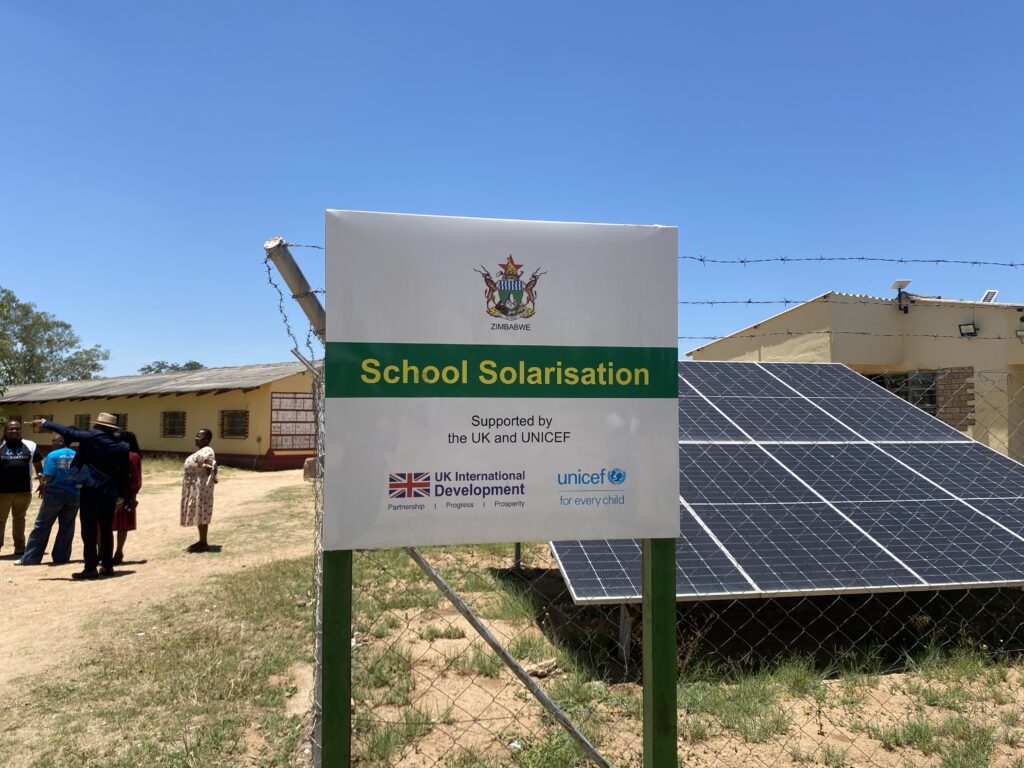
However, a blended learning initiative, complemented by the installation of solar-powered electricity, is transforming the learning environment by giving teachers and learners access to digital educational resources.
School headmaster Denford Basvi says learners are increasingly motivated to attend school because of the interactive lessons, while the use of computers and projectors has improved concentration and classroom participation.
Basvi says the initiative is also promoting inclusive education, with learners living with disabilities actively participating in lessons and finding it easier to operate computers and other digital learning equipment.
“Most of our learners are now coming to school. They are no longer absenting themselves for no apparent reason. They enjoy their lessons, especially when they are using the digital system.”
Beyond the classroom, Basvi says the school is extending the benefits of digital technology to the surrounding community, with residents visiting the institution to access computer services, learn basic computer skills and obtain information.
He says learners are also increasingly sharing information obtained through digital platforms with their classmates and the wider school community.
The school is now anticipating a significant improvement in its academic results, with Basvi expressing optimism that the pass rate could potentially double as learners spend more time engaging with digital learning resources.
Meanwhile, the Ministry of Primary and Secondary Education says the expansion of digital learning in rural and remote schools is part of a broader government strategy to address infrastructure gaps and improve access to quality education.
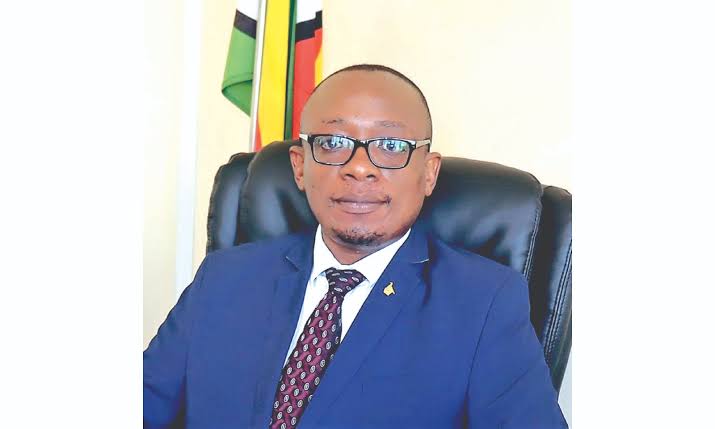
The Ministry’s Director of Communications, Taungana Ndoro, says the government is working with the Ministry of Energy and Power Development to ensure schools have access to electricity, which is essential for digital learning.
Ndoro says development partners, including UNICEF and the United Kingdom Government through the Foreign, Commonwealth and Development Office (FCDO), have also supported the installation of solar-powered electricity systems to provide backup power at schools.
He says the government has also distributed more than 8 000 Starlink internet kits to schools, particularly those in need, through collaboration between the Ministry of Primary and Secondary Education and the Ministry of Information Communication Technology.
Zimbabwe has approximately 12 000 schools, with Ndoro indicating that institutions which already have adequate resources have their own internet connectivity, while the Starlink kits are helping bridge connectivity gaps at less-resourced schools.
He says the Ministry, working with UNICEF, has also introduced the Learning Passport Zimbabwe platform, which provides teaching and learning materials from Early Childhood Education (ECE) to Advanced Level on a single digital platform.
Ndoro says discussions with the Ministry of ICT are aimed at ensuring that users accessing the platform incur minimal data charges, making online learning more affordable for teachers and learners.
He says the experience at St Michaels Mambo Primary demonstrates that digital learning can benefit all learners, including those living with disabilities.
“We are happy that they have shown that digital learning platforms are not only for the able-bodied. You could see that there were also pupils with disabilities who were taking part in the digital learning platforms.”
Ndoro says the initiative is part of the Ministry’s strategy to improve pass rates, promote inclusive education and ensure that no learner is left behind.
The blended learning initiative is led by the Ministry of Primary and Secondary Education in partnership with UNICEF and supported by the United Kingdom Government through the Foreign, Commonwealth and Development Office under the Teacher Effectiveness and Equitable Access for Children programme.



