By Tichaona Katsvamutima
Zimbabwe recorded nearly 5,000 drug-related cases in less than four months, with thousands of suspects convicted and more than 3,000 people receiving treatment, as the government intensifies its crackdown on drug and substance abuse amid growing demand for rehabilitation services.
Figures presented to Cabinet on Tuesday revealed that 4,934 drug-related cases were recorded between June 1 and September 19, 2026, with 4,341 court cases completed, resulting in 4,243 convictions and 73 acquittals.
The report, presented by defence minister Oppah Muchinguri-Kashiri in her capacity as chairperson of the Inter-Ministerial Committee on Drug and Substance Abuse Response, highlights the scale of the country’s drug problem and raises questions about whether rehabilitation services are expanding fast enough to meet demand.
According to the 34th Post-Cabinet Press Briefing, authorities arrested and referred 3,839 people to court during the reporting period, including 2,706 individuals below the age of 35.
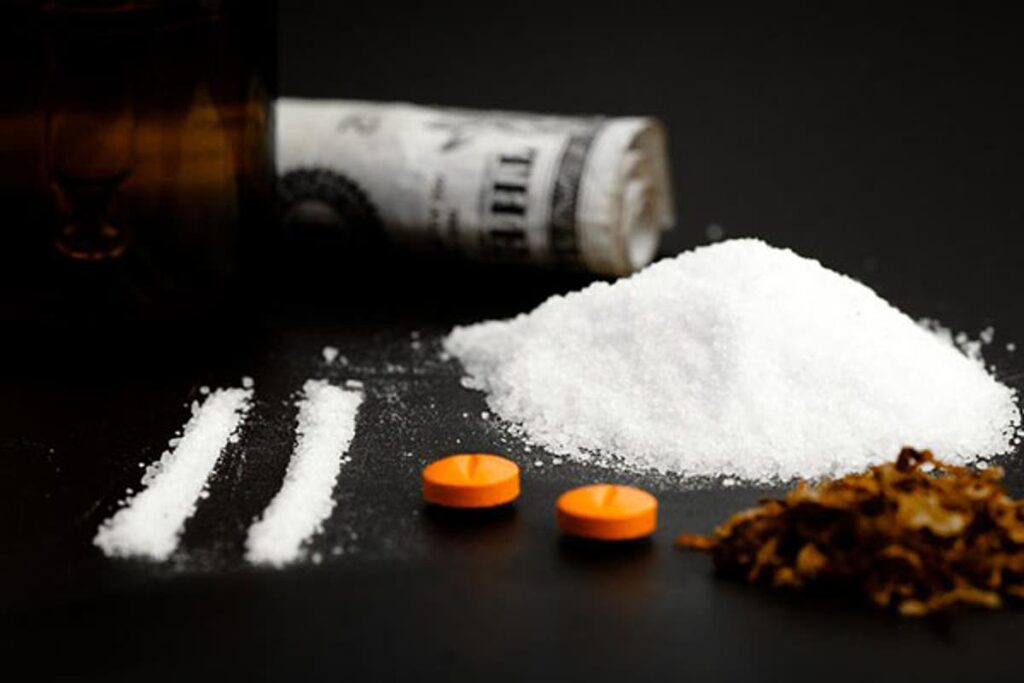
Security agencies also destroyed 73 drug bases and recovered illicit substances valued at more than ZiG26.7 million, including crystal methamphetamine, cocaine and cannabis.
The government reported that 1,032 accused persons were fined, while 461 received prison sentences, some extending to 15 years.
However, the figures also reveal growing pressure on Zimbabwe’s treatment and rehabilitation services.
A total of 3,363 patients received treatment and rehabilitation services, comprising 2,964 males and 399 females, while 73 patients were recorded as relapse cases.
Cabinet acknowledged that “the demand for treatment, rehabilitation, psycho-social support and empowerment initiatives continue to increase.”
The admission raises questions about whether Zimbabwe’s response to drug abuse is placing sufficient emphasis on treatment and recovery alongside arrests and criminal prosecution.
While thousands of people have been prosecuted, the government has yet to provide comprehensive figures showing the country’s total rehabilitation capacity, treatment waiting lists or the proportion of people struggling with addiction who can access professional assistance.
Cabinet announced plans to establish a 700-bed Presidential High-Capacity Drug Rehabilitation Centre, with the model earmarked for replication across all 10 provinces.
The proposed facilities would combine clinical treatment, psychosocial rehabilitation, vocational training, agriculture, sport and community reintegration.
Existing rehabilitation infrastructure at Gwanda and Sakubva is also undergoing refurbishment.
Meanwhile, 5,707 individuals received psychosocial support, while another 1,843 accessed assistance through the government’s toll-free helpline.
The government reported that 594 individuals had been successfully reintegrated into their families and communities following discharge from the Angel of Hope Foundation and Wilkins Rehabilitation Centres.
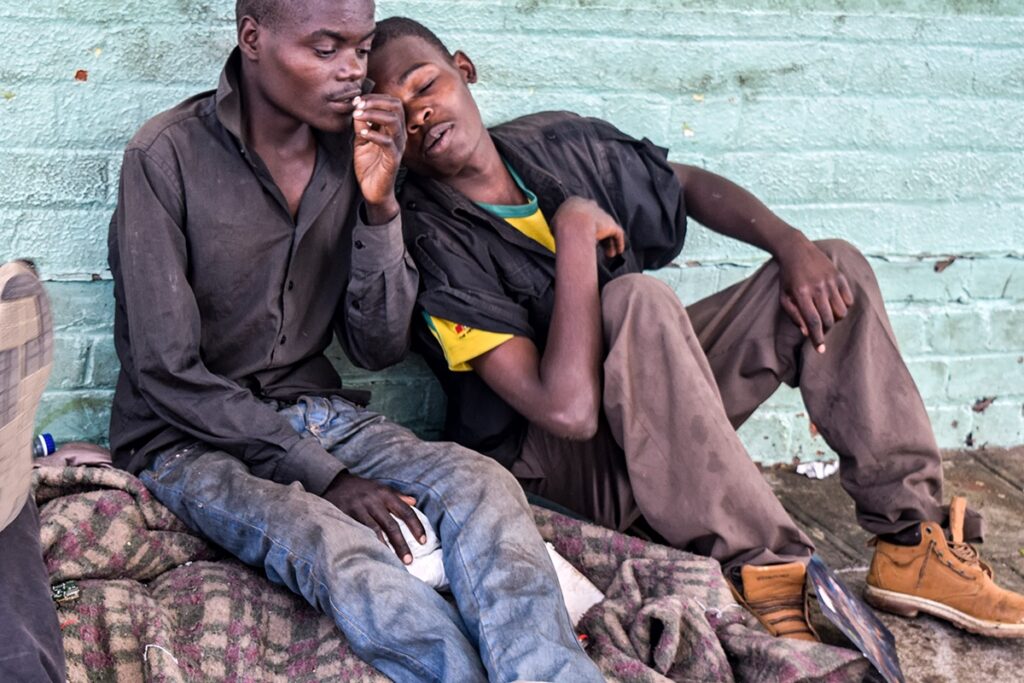
Despite these interventions, the latest figures underscore the continuing challenge of addressing drug abuse among young Zimbabweans, particularly those under 35, who accounted for more than 70 percent of the arrests reported during the period.
Cabinet said enforcement operations, surveillance and public awareness campaigns would continue nationwide.
It warned that “any business found in violation, will face the full wroth of the law.”
The government is also pursuing legislative reforms through the proposed National Drug, Substance Abuse Control and Enforcement Agency Bill, which is under consideration by the Parliamentary Legal Committee.
Although the government has outlined plans to expand rehabilitation infrastructure, the Cabinet report did not provide construction timelines, funding allocations or completion dates for the proposed provincial facilities.
With treatment demand rising, the central question remains whether Zimbabwe can expand access to rehabilitation and long-term recovery support while maintaining its intensified campaign against drug trafficking and substance abuse.