By Tichaona Katsvamutima
South African President Cyril Ramaphosa has warned that developing El Niño conditions threaten food security, water supplies and economic stability across southern Africa, raising fears of another devastating agricultural season in a region still recovering from previous droughts.
Addressing a virtual Extraordinary Summit of the Southern African Development Community (SADC) on Wednesday, Ramaphosa said the region remained vulnerable to increasingly frequent and severe climate-related disasters, including droughts, floods and tropical cyclones.
The warning comes as southern African countries, including Zimbabwe, prepare for the 2026/27 agricultural season amid uncertainty over weather patterns and their potential impact on crop and livestock production.
“As we approach another agricultural season, the developing El Niño conditions present new threats to food security, water supply and economic activity,” Ramaphosa told regional leaders.
He said the devastating drought of 2023 and 2024 had exposed the vulnerability of regional economies, particularly communities dependent on rain-fed agriculture.
“The severe El Niño-induced drought of 2023 and 2024 showed the vulnerability of our region to changes in climatic conditions,” he said.
“Food and water insecurity affect millions of our people. Agricultural production declined, livestock were lost, and the livelihoods of the least developed communities were severely disrupted.”
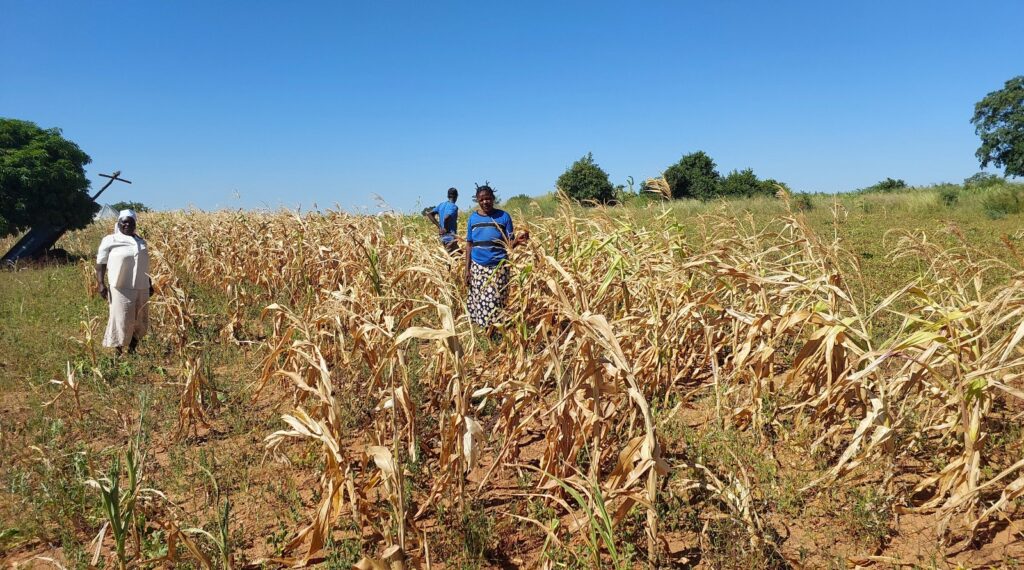
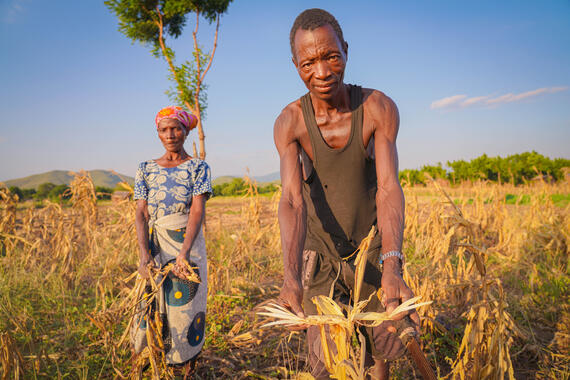
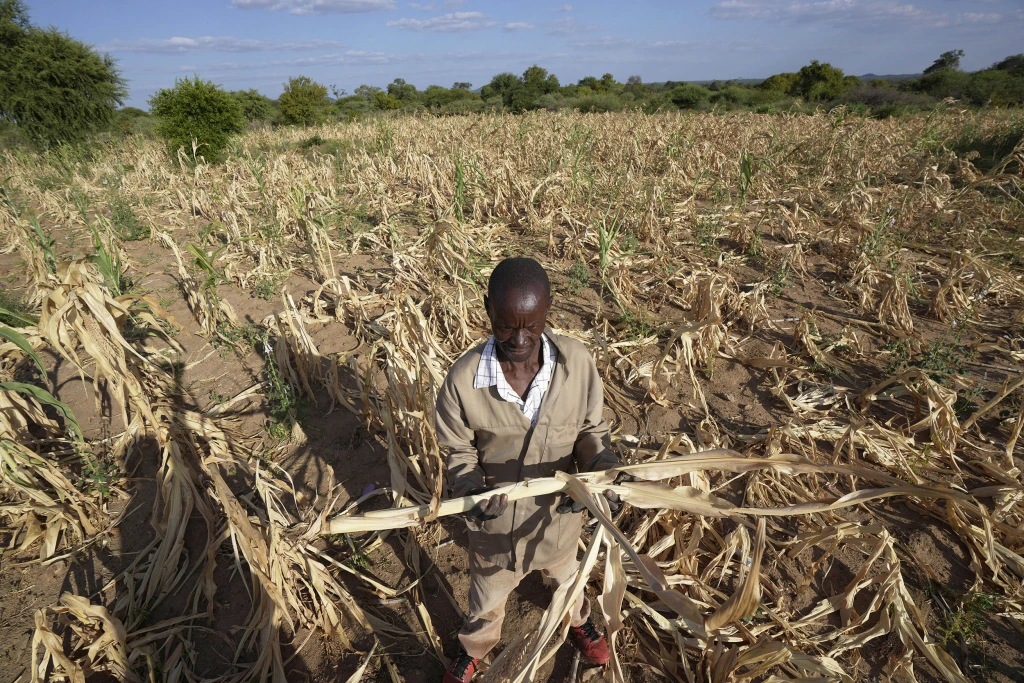
Zimbabwe was among the countries hardest hit by the previous drought, which devastated crops, depleted water resources and threatened livestock production, particularly in rural communities.
Another severe drought could further strain agricultural output and food supplies, leaving millions of people dependent on subsistence farming increasingly vulnerable.
Ramaphosa warned that climate disasters posed threats extending beyond national borders, disrupting regional trade, damaging infrastructure and placing enormous pressure on public finances.
“Such challenges have implications that are much broader than national boundaries,” he said.
“They threaten regional food supplies, damage shared infrastructure, disrupt trade and place enormous pressure on public finances.”
He cautioned that repeated disasters could undermine years of economic progress.
“They can reverse the development gains our countries have made over many years,” Ramaphosa said.
The South African leader urged SADC governments to prioritise disaster prevention and preparedness rather than repeatedly spending resources on reconstruction.
“We cannot keep rebuilding the same infrastructure after every disaster without investing enough in preventing and reducing the damage caused by future disasters,” he said.
He called for stronger early warning systems, coordinated disaster response mechanisms and greater investment in climate-resilient infrastructure.
Ramaphosa commended Mozambican President Daniel Chapo for organising the International Conference on Disaster Risk Reduction and Resilience in Africa, held in Maputo from October 13 to 15.
“We are proud of President Chapo, who has been selected by the African Union as the Champion for Disaster Risk Management and has put the urgent problem of disaster preparedness and resilience at the centre of our continental agenda,” Ramaphosa said.
He urged member states to build on the conference’s outcomes by strengthening cooperation in water management, agricultural resilience, disaster financing and infrastructure development.
Ramaphosa said regional security must extend beyond political and military concerns to encompass the economic and environmental challenges confronting ordinary citizens.
“It requires us to recognise that our security is not only political and military. It is economic, environmental and human,” he said.