By a Correspondent
The World Food Programme (WFP) has started securing food supplies through advance procurement contracts to cushion its humanitarian operations against anticipated price increases linked to the looming El Niño-induced drought in Zimbabwe.
WFP Country Director for Zimbabwe Barbara Clemens said early procurement would help the agency lock in prices before food became more expensive, protecting its capacity to assist vulnerable communities amid growing concerns over the country’s food security outlook.
Speaking in Harare, Clemens said the anticipated drought could worsen food shortages and drive up the cost of basic commodities, making early planning critical for humanitarian agencies preparing to support food-insecure households.
“We have to start buying food or buttoning down contracts for food now, because we know that the price of that food is going to quadruple exponentially,” Clemens said.
She said the WFP was negotiating longer-term supply contracts to manage the expected increases, warning that cash-based assistance could also become less effective if food prices rose beyond the reach of vulnerable households.
Clemens said early action was essential to prepare for the potential impact of the drought, particularly if worsening conditions increased the number of households requiring emergency food assistance.
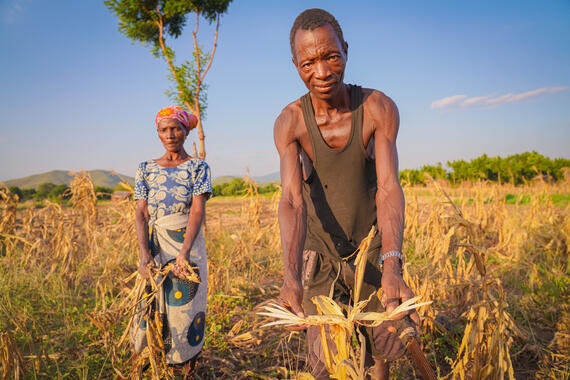
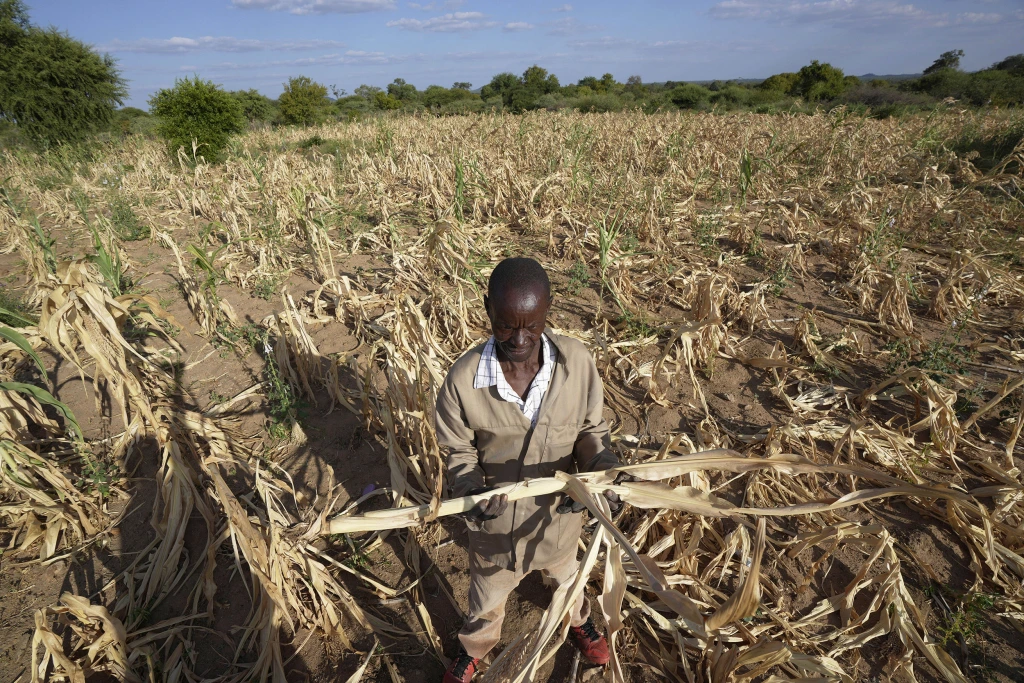
The move comes amid concerns over the potential effects of El Niño on Zimbabwe’s 2026–2027 agricultural season, with forecasts of below-normal rainfall across much of the country raising the risk of reduced crop production, livestock losses and deteriorating rural livelihoods.
Zimbabwe remains vulnerable to drought because of its heavy reliance on rain-fed agriculture, which leaves smallholder farmers particularly exposed to erratic rainfall and prolonged dry spells. A poor rainy season could result in reduced maize output, lower household food stocks and increased dependence on food imports and humanitarian assistance.
Reduced harvests could push up prices of maize and other staple foods, worsening food insecurity among low-income households already struggling with the cost of living. Livestock-dependent communities could also face shortages of pasture and water, leading to animal losses, while farmers could experience reduced incomes and difficulties financing the next planting season.