By Gabriel Manyati
Farmers across southern Africa are being told to brace for a tough summer. A strong weather pattern called El Niño is building in the Pacific Ocean and experts say it will likely bring less rain and much more heat to large parts of the region from October onwards.
El Nino happens when the surface of the sea in the middle of the Pacific gets much warmer than normal. This change pushes weather systems around the world. In southern Africa it usually means the rains that farmers depend on arrive late or fall short, while the days turn hotter than people are used to.

Weather specialists at the South African Weather Service (SAWS) say the current El Niño is already very strong and could become one of the strongest in living memory. “Most El Niño events bring less rain than normal and higher temperatures to southern Africa,” a SAWS spokesperson explained. “We expect below normal rainfall over most of South Africa from October through to January, and the same drier and warmer pattern looks set to continue.”
The same message is coming from regional climate meetings. Much of Angola, Namibia, Botswana, Zimbabwe, southern Zambia, Mozambique and large parts of South Africa are likely to see weaker rains. Places further north, such as parts of Tanzania and the Democratic Republic of Congo, may get more normal or even better rainfall. But for the heart of the region the outlook is dry.
The heat is another big worry. Experts say temperatures will stay above average across almost the whole of southern Africa. Combined with the lack of rain, this raises the chance of long heatwaves. “If the expected dry conditions arrive, heatwaves are likely to occur more often and some of them could be severe,” the weather service warned.
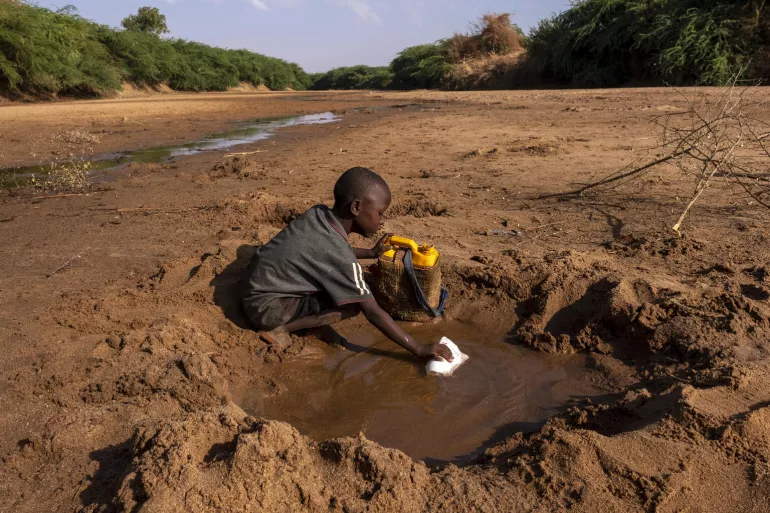
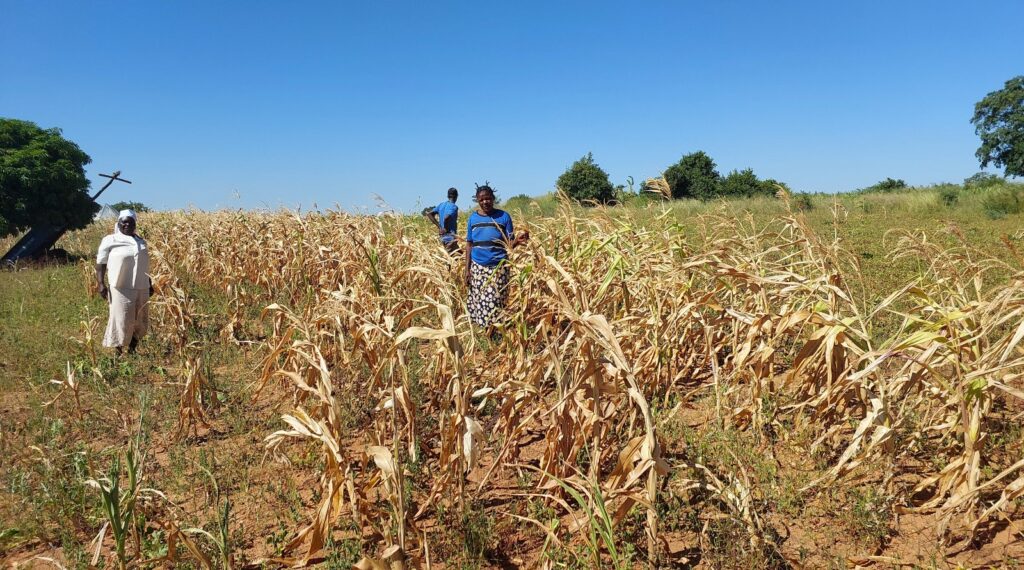
For ordinary families the effects could hit hard. Farmers who plant maize and other crops in the summer may struggle if the rains stay away. Livestock will find less grass and water. Dams and rivers could drop, putting pressure on drinking water and irrigation.
In past strong El Niño years, such as 2015 and 2016, many communities faced drought, crop failures and higher food prices. Experts fear similar problems could return if the dry spell settles in.
Not every El Niño brings disaster. In 1997 some areas of South Africa still received decent rain. Scientists stress that the forecast only shows what is most likely, not what is certain. Local weather can still surprise people from one week to the next. Still, the overall picture is clear enough for governments and farmers to start preparing now.
Agricultural officials are already urging growers to save water, protect soil moisture and plan carefully for their animals. Households are being advised to watch their water use and stay ready for hotter days.
The coming months will tell how severe the dry spell becomes. For now, the message from the experts is simple: expect a hotter, drier summer and take steps early to protect crops, livestock and family water supplies.