Farming Correspondent
Zimbabwe has recorded its highest-ever tobacco production, with farmers delivering more than 357 million kilogrammes during the 2026 marketing season, but the record harvest has been dampened by a sharp decline in prices, raising concerns over farmer incomes.
According to the Tobacco Industry and Marketing Board (TIMB), the latest output surpassed the previous season’s record of 354.8 million kg, highlighting the continued expansion of Zimbabwe’s tobacco industry.
However, the increase in production has come amid a significant deterioration in tobacco prices.
The average price fell to US$2.49 per kg, from about US$3.30 per kg in the previous season. The decline has been attributed to increased global tobacco supplies, higher carry-over stocks and weaker international demand.
The fall in prices means that higher production volumes have not necessarily translated into improved returns for growers, many of whom are also facing rising production costs.
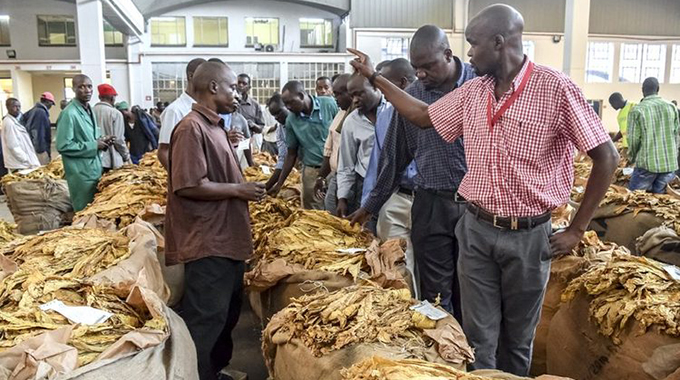
The development has renewed calls for Zimbabwe to diversify its agricultural base, with the TIMB and tobacco growers encouraging farmers to consider horticulture and other cash crops to reduce their exposure to fluctuations in the international tobacco market and climate-related risks.
China continued to dominate Zimbabwe’s tobacco export market, accounting for 34 percent of export volumes since the opening of the marketing season in March.
The latest figures underscore the growing importance of tobacco to Zimbabwe’s agricultural economy. The sector has undergone a major recovery over the past two decades, driven in part by contract farming, which has enabled thousands of smallholder farmers to access seed, fertiliser, finance and technical support.
The record output also comes as the government seeks to transform the tobacco value chain and increase production to 500 million kg, while targeting a US$7 billion tobacco industry by 2030 through increased productivity, local value addition and export-market diversification.
But industry officials face a difficult balancing act: expanding production while ensuring that increased supply does not further depress prices.
Earlier figures from the 2026 season showed a similar trend. By late July, Zimbabwe had sold more than 356.2 million kg of tobacco worth about US$887.9 million, with the TIMB attributing downward price pressure to increased global supply, larger stocks and subdued international demand.
The 2026 experience could therefore strengthen calls for Zimbabwean farmers and policymakers to focus not only on increasing tobacco volumes, but also on improving leaf quality, securing better-paying markets and expanding value addition.
The TIMB has also urged growers preparing for the 2026/27 season to prioritise productivity and quality rather than simply expanding hectarage, while adopting certified seed and water-conservation measures to improve resilience.
The latest season illustrates the paradox facing Zimbabwe’s tobacco industry: the country is producing more tobacco than ever before, but farmers are earning less per kilogramme.