By Correspondent
Questions surrounding Zimbabwe’s emergency preparedness and rural infrastructure have intensified following the capsizing of a government-operated passenger ferry on Lake Kariba on Tuesday afternoon, which left dozens unaccounted for.
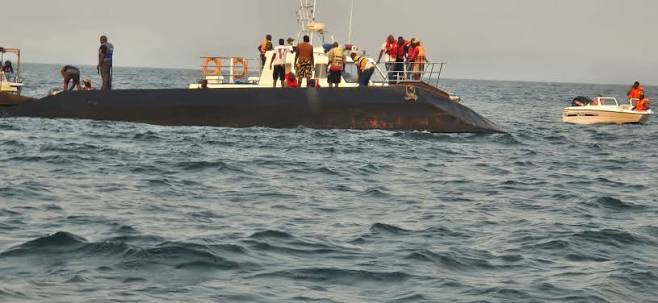
The *Mbuya Nehanda* ferry, operated by the Rural Infrastructure Development Agency (RIDA), went down near Long Island while carrying over 100 passengers. Emergency personnel conducted search and rescue operations late into the night, with initial reports indicating that at least 27 people remained missing hours after the incident.
The disaster has drawn sharp criticism from opposition figures, who point to systemic shortfalls in the country’s civil protection framework. Former Mt Pleasant Member of Parliament Fadzayi Mahere raised concerns over the state of emergency response systems, arguing that public funds are being misallocated at the expense of basic public safety services.
“Every day, we are reminded about how woefully inadequate, if not non-existent, Zimbabwe’s disaster management capacity is,” Mahere stated, asserting that critical emergency services remain underfunded and ill-equipped to handle mass casualty events.
The incident has also highlighted broader infrastructure challenges facing remote communities along the lake. According to Mashonaland West MP Mutsa Murombedzi, the ferry serves as a vital five-hour transport link connecting rural Nyaminyami to Kariba Urban. Murombedzi noted that many local residents rely on the water route due to the poor condition of the Karoi-Binga road, which makes land transit significantly longer and more difficult.
Footage circulating on social media prior to the vessel’s departure showed bystanders observing rough waters and expressing concern over the ferry’s load, raising questions about safety protocols and regulatory oversight at the harbor.
While government agencies continue recovery efforts at the site, the accident has renewed public debate over maritime safety regulations, rural road maintenance, and the operational capacity of the Civil Protection Unit during crises.