By Gabriel Manyati
The Lake Kariba ferry Mbuya Nehanda capsized on 11 August 2026 near Long Island, with strong winds locally known as the Binga Wave slamming into the state-owned vessel. According to the Civil Protection Unit, the boat had a capacity of 90 but carried 114 adult passengers confirmed through ticket sales, plus five crew members and an undetermined number of children below ticketing age. A total of 77 people were rescued by Matusadonha teams and others; 15 bodies were retrieved, and 27 remain missing as search and rescue operations continued into the night.
The vessel, formerly operated under the District Development Fund and now managed by the Rural Infrastructure Development Authority, struck heavy turbulence during its crossing from Nyaminyami to Kariba urban. Underwater teams were deployed, and the national police service confirmed the captain died in the incident.
The immediate human toll was stark: families on the shores watching a vessel labour in choppy conditions, passengers helpless as water rose. Yet the tragedy immediately raises a larger question. What does a disaster involving a state-owned passenger vessel reveal about the condition of Zimbabwe’s systems for protecting its citizens?
The answer lies in the contrast that unfolded elsewhere. In Gweru, on 10 June 2026, a Toyota Hiace kombi designed to carry 14 passengers was carrying 24 primary-school pupils from Matongo Primary School in Senga suburb caught fire after a jerry can of petrol – placed illegally behind the driver’s seat by the conductor – ignited. Seven children, two boys and five girls, were burnt beyond recognition. Seventeen others escaped. The vehicle had been a familiar sight on Gweru’s roads for months, its driver and conductor arrested on culpable-homicide charges.
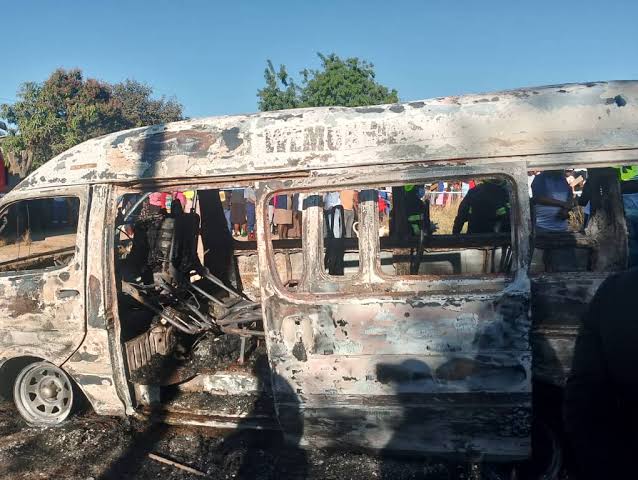
One represents the state itself: a vessel built for public service, however old, operating under official authority. The other represents private operators functioning within a regulatory vacuum: a vehicle that should never have carried children, yet became part of daily urban life until it became a death trap. Both cases expose the same structural failures – inspection, enforcement, accountability and the measured value placed on human life.
These are not isolated accidents. They are symptoms of a deeper erosion in Zimbabwe’s social and institutional order. Since the start of 2026, artisanal and small-scale mining has claimed at least 64 lives in the first quarter alone, with ground collapses accounting for 54 percent. Shafts in Chegutu, Rowdy Mine in Chinhoyi and Vigilant Mine in Kwekwe have repeatedly swallowed workers. A single collapse at Stewart 3 Mine in Pickstone killed seven miners; at Rowdy Mine four; at Vigilant Mine two. Bodies are often recovered only after days of desperate search, as at Silobela’s Auriga 47 Mine, where seven were trapped by flooding.
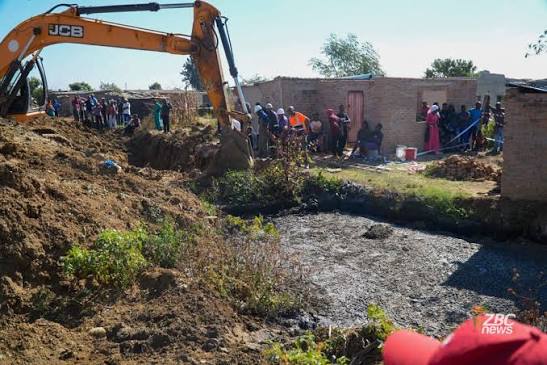
People are dying in unsafe shafts, pits, tunnels and drains. In Budiriro, Harare, an open sewer excavation left by council contractors became a death pit. On 7 June 2026, 19-year-old Saul Karakadzai fell in; three bodies – a woman, an older man and the boy himself – were eventually retrieved only after seasoned diver Victor Kazembe, known as Coach Rambo, descended with an emergency oxygen tank. Police sub-aqua units had failed to locate the remains; Kazembe’s four descents brought closure to a six-day operation at Ruti Dam in June 2026, where four family members drowned after their canoe capsized.
Road crashes involving overloaded or poorly maintained vehicles recur weekly. Fires in schools, homes and workplaces highlight response constraints. Drowning incidents in neglected dams and collapsing infrastructure – bridges washed out by rains, drainage systems overflowing in Harare’s central business district – expose the same pattern: danger is visible long before tragedy, yet often addressed only after casualties mount.
The common thread is prevention. Government can mobilise rescue teams after the fact. It cannot easily reverse the decision to ignore a vehicle’s age, a mine shaft’s instability, or a pit left open for months.
Zimbabwe possesses the statutory framework: the Civil Protection Act, a national multi-hazard contingency plan, early-warning systems and coordination through the Department of Civil Protection. Yet credible voices describe the capacity as woefully inadequate. Constitutional lawyer and former MP Fadzayi Mahere posted on 11 August 2026: “Everyday, we are reminded about how woefully inadequate, if not non-existent, Zimbabwe’s disaster management capacity is. The Kariba Ferry disaster is further testament to a broken down state which cannot save lives in critical moments. Instead of investing in functional civil protection systems, money is spent on small houses, cars and trinkets. It’s a mess. We need new leaders.”
The distinction between response and prevention is stark. Post-disaster relief – food, coffins, temporary shelter – is routine. Preventing the deaths in the first place, through regular inspections, enforcement, training, safer practices and maintenance, remains elusive. Recent initiatives, such as the Early Warning Systems for All project and tech-driven plans, show intent. But implementation lags, and the human cost of that lag is measured in lives.
Zimbabweans have grown accustomed to unsafe kombis, dangerous roads, abandoned mines and inadequate infrastructure. Poverty, unemployment and lack of viable alternatives drive people into hazardous work. Regulatory failure, weak enforcement and political patronage compound the problem. When conditions have existed for so long that they no longer register as exceptional, danger ceases to provoke outrage or action. The Gweru kombi, once a daily commuter sight, became a metaphor for a society in which everyone sees the risk yet no-one stops the vehicle.
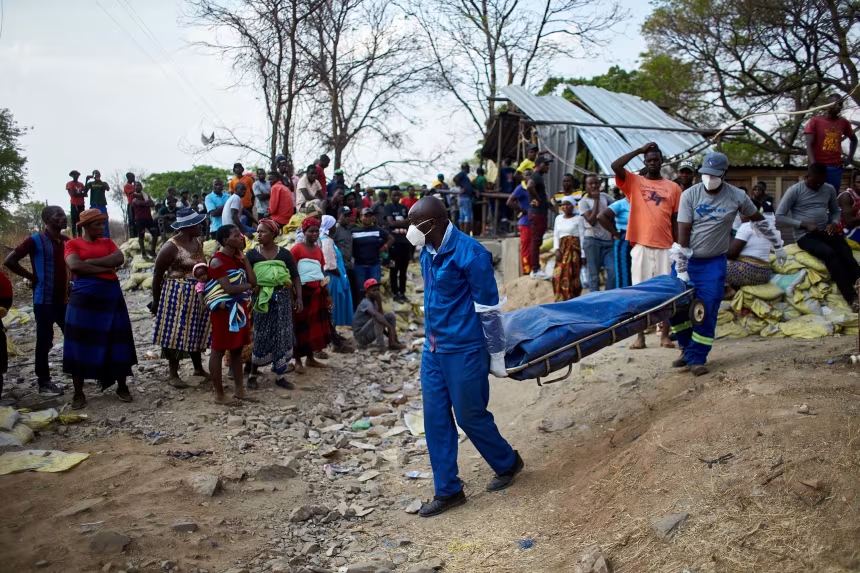
Poverty and the lure of quick income propel citizens into artisanal mining. Mining companies, regulators, local authorities and central government share responsibility. Minister of Mines Polite Kambamura has warned that deaths are “the predictable consequence of unsafe practice” and must not be treated as inevitable. Yet inspections remain sporadic, rescue infrastructure limited, and safer working practices often ignored. Some deaths could be prevented through mandatory training, regular audits and enforcement of basic safety standards. The question is no longer whether the state values human life; it is why it continues to tolerate visible hazards until they produce corpses.
Roads, drainage and sewer systems across the country reveal the health – or otherwise – of society. The US$114 million Trabablas Interchange, opened less than a year ago, already shows potholes. Harare’s CBD floods regularly submerge streets; the Harare-Chirundu highway remains cratered and delayed beyond its 2025 deadline. Sewers left open, bridges washed away, schools learning in overcrowded makeshift structures after floods – these are not isolated failures. They are the visible consequence of deferred maintenance, resource shortages and poor prioritisation. Social order is not merely about whether citizens obey the law; it is about whether institutions perform the basic functions that allow people to live safely.
Central government sets policy, local authorities enforce it on the ground, regulatory agencies fail to follow through, transport operators cut corners, mining firms operate with minimal oversight, police and emergency services are stretched thin, and private contractors often operate with impunity. Political leadership ultimately shapes priorities. The distinction between failures rooted in inadequate resources and those caused by poor prioritisation, weak enforcement, corruption or neglect is essential. Can a country plead poverty indefinitely when basic safety regulations are repeatedly ignored?
Behind every statistic are people: mothers burying children in Gweru, families waiting on Kariba shores for news, miners’ relatives burying brothers and sons. Each tragedy claims not only lives but livelihoods, futures and community trust. The human dimension is why prevention matters more than reaction.
Lake Kariba today stands as the central symbol: another tragedy demanding rescue, investigation, condolences and accountability after the fact. The most disturbing question is not simply why Zimbabwe keeps experiencing disasters, but why so many dangers are visible long before they strike yet remain unaddressed until people are dead.
The deepest crisis facing the country is not merely economic or political, but institutional: a gradual erosion of the systems, standards and collective expectations that once separated an accident from a preventable catastrophe.