
By a Correspondent
BULAWAYO — With local cemeteries rapidly filling to capacity, the Bulawayo City Council is weighing a radical proposal to introduce aquamation, a process that uses water and alkaline chemicals to dissolve human remains, raising a heated national debate over public health, soaring mortality statistics, and deeply rooted African funeral traditions.
The city currently conducts an average of 430 burials every month, comprising roughly 350 adults and 80 infants under the age of one. This relentless volume of interments has pushed municipal authorities to search for immediate space-saving solutions before available cemetery land runs out entirely.
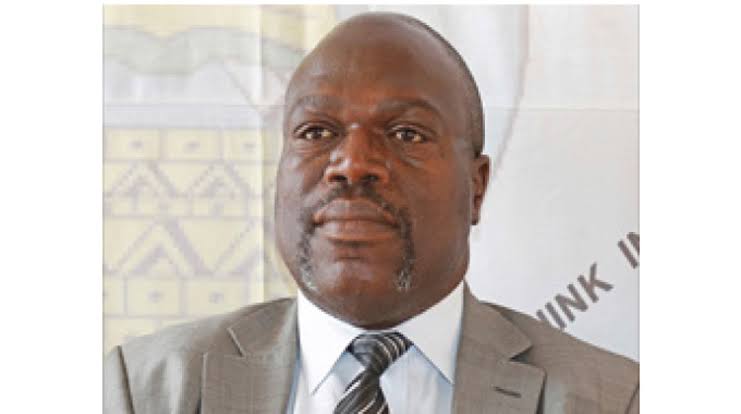
Bulawayo’s Director of Health Services, Dr Edwin Sibanda-Mzingwane, confirmed that the local authority is actively examining emerging technologies alongside traditional ground burials and fire-based cremation.
“We don’t have it yet, but we’re just thinking about it such that when people come, we will see whether we can either bury them, burn them, or put them in this liquid and dissolve them,” Dr Sibanda-Mzingwane said.
He cited the late South African anti-apartheid icon Archbishop Desmond Tutu, whose body underwent aquamation in 2021, as a prominent example of the eco-friendly technology.
Also known as alkaline hydrolysis, aquamation relies on a heated mixture of water and sodium hydroxide to reduce a body to bone fragments, which are then processed into a fine powder and returned to the family in an urn.
However, the proposal faces a steep cultural hill in a region where traditional Ndebele and Shona customs view the physical body and the soil as sacred elements connecting the living to their ancestors (amadlozi).
For many traditionalists and religious leaders, dissolving a loved one’s body in chemicals and flushing liquid byproducts down a drainage system borders on desecration, threatening to disrupt sacred burial rites.



