Business Correspondent
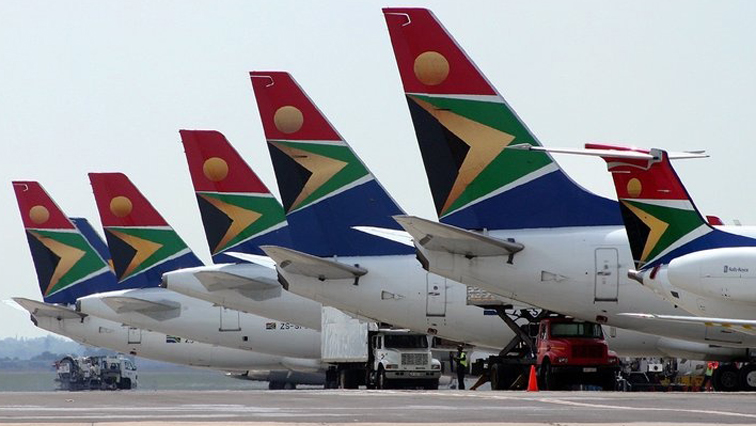
Zimbabwe’s outstanding debt to South African Airways (SAA), now estimated at more than R942 million (US$60.2 million), is unlikely to be recovered through diplomatic channels, a senior South African parliamentary committee has warned.
The warning came after South Africa’s Department of International Relations and Cooperation (DIRCO) told Parliament that years of diplomatic engagements with Harare had failed to secure full repayment of the money owed to the airline.
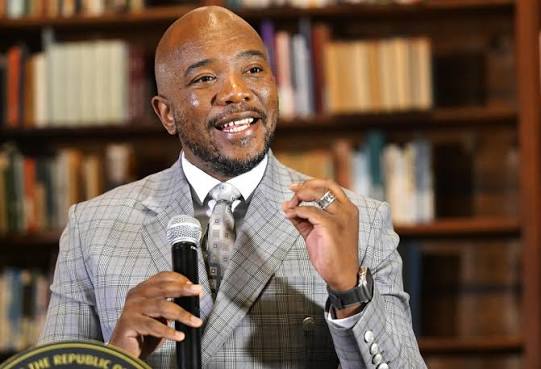
Mmusi Maimane, chairperson of Parliament’s Standing Committee on Appropriations, said the continued failure to recover the funds raised serious questions about Pretoria’s approach to debts owed by foreign governments to South African state-owned enterprises.
The debt relates largely to ticket-sale revenues collected in Zimbabwe on behalf of SAA.
Maimane said the amount had remained outstanding despite interventions involving successive South African governments, the National Treasury, DIRCO and the South Africa-Zimbabwe Bi-National Commission.
“Will we recoup funds from these countries? The short answer is improbable,” Maimane told DIRCO director-general Zane Dangor during a committee meeting.
He questioned whether South Africa had any effective legal or institutional mechanism to compel Zimbabwe to settle the debt after diplomatic efforts had failed.
Maimane said legal action might ultimately have to be considered if negotiations continued to produce no results.
“At some point, as expensive as it may turn out to be, there should be recourse in terms of contractual, legal remedies that SAA and others will have to engage in, if the debt is not forthcoming,” he said.
DIRCO officials told Parliament that Zimbabwe had made some payments towards the outstanding SAA debt, but the repayments had not been sufficient to clear the amount.
A parliamentary report published in June indicated that Zimbabwe had committed to paying US$1 million a month towards the debt, equivalent at the time to about R17 million.
However, the report said the last payment advice received by South African authorities was for March 2026, raising concerns about the sustainability of the repayment arrangement.
DIRCO has maintained that its role is primarily to facilitate diplomatic engagements and that it does not have the authority to compel another sovereign government to settle a debt.
The department said the issue had been raised through the bilateral commission between Pretoria and Harare, while South African officials continued engaging Zimbabwean authorities.
“There have been a number of actions taken from our level and there have been partial payments made to SAA but they are not enough,” DIRCO deputy director-general Nyameko Goso said.
The dispute comes at a difficult time for SAA, which continues to face significant financial pressures.
South African parliamentary records show that more than R1 billion owed to SAA by Zimbabwe is part of approximately R1.5 billion (US$90.3 million) in airline funds sitting in foreign countries, with the Zimbabwean amount described as a long-term outstanding debt.
The parliamentary committee has previously warned that recovering the money is critical to SAA’s financial position as the airline attempts to rebuild its operations and fleet.
Maimane argued that South Africa could not continue prioritising cordial diplomatic relations while state-owned companies struggled to recover money owed to them.
He said SAA was in a particularly difficult financial position and needed access to revenues owed to it.
The South African Parliament said diplomatic relations should not come at the expense of recovering money owed to the country.
“The Standing Committee on Appropriations has said that, following extensive consultations with DIRCO, it has become clear that DIRCO lacks the capability to recover funds owed to South Africa by other governments,” Parliament said in a statement.
The committee has called for mechanisms to deal with countries that fail to honour their financial obligations to South African state-owned enterprises.
The SAA debt is not the only financial dispute involving Zimbabwe and South African entities.
South African authorities are also pursuing outstanding obligations linked to toll revenues collected at the Beitbridge border post, as well as other amounts owed to South African companies operating in Zimbabwe.
DIRCO has said South African mining companies have also experienced difficulties repatriating funds from Zimbabwe.
Officials said the South Africa-Zimbabwe Bi-National Commission was monitoring several of these outstanding financial obligations.