Business Correspondent
The International Monetary Fund (IMF) has approved the completion of the second review of Zimbabwe’s 10-month Staff-Monitored Programme (SMP), citing strong implementation of economic reforms and progress towards restoring macroeconomic stability.
The approval, announced on Wednesday, strengthens Zimbabwe’s policy track record as the country seeks to clear external arrears, resolve its debt crisis and re-engage with the international financial community.
The IMF said Zimbabwe met all quantitative targets, structural benchmarks and continuous commitments under the programme through the end of June 2026.
However, the country missed one indicative target relating to protected social and priority spending, which the Fund attributed to persistent implementation bottlenecks affecting key programmes.
The IMF said economic activity continued to expand during the first half of 2026, while the ZiG-denominated annual inflation rate remained in the low single digits.
Zimbabwe’s external position was also supported by strong mineral exports, favourable commodity prices and resilient remittance inflows, while fiscal revenue exceeded expectations and contributed to a stronger-than-programmed primary balance.
The Fund maintained its projection for Zimbabwe’s economy to grow by 5% in 2026, although growth is expected to slow to 3.5% in 2027 as an El Niño-related drought is expected to weigh on agricultural production.
Growth is then projected to recover in 2028.
The IMF said inflation is expected to remain in single digits this year, while the current account is projected to remain in surplus.
It nevertheless warned that the economic outlook remained vulnerable to downside risks, particularly a more severe drought and renewed pressures from commodity and energy prices.
The Fund said Zimbabwe should maintain fiscal discipline while using stronger-than-expected revenue collections to build buffers against potential food-security and energy shocks.
It said the 2027 National Budget should be based on prudent revenue and financing assumptions to avoid creating a structural fiscal deficit.
At the same time, authorities should ensure sufficient resources are available for priority social programmes and high-impact development expenditure.
The IMF also called for improved budget execution and timely implementation of protected social spending following the missed indicative target.
The Fund said continued monetary and foreign exchange reforms would be critical to maintaining the recent period of macroeconomic stability.
Zimbabwe has been implementing measures aimed at strengthening monetary policy and reforming the foreign exchange market, including moves towards greater reliance on market-based instruments.
The IMF said sustained policy discipline would be important to preserve stability and strengthen confidence in the local currency.
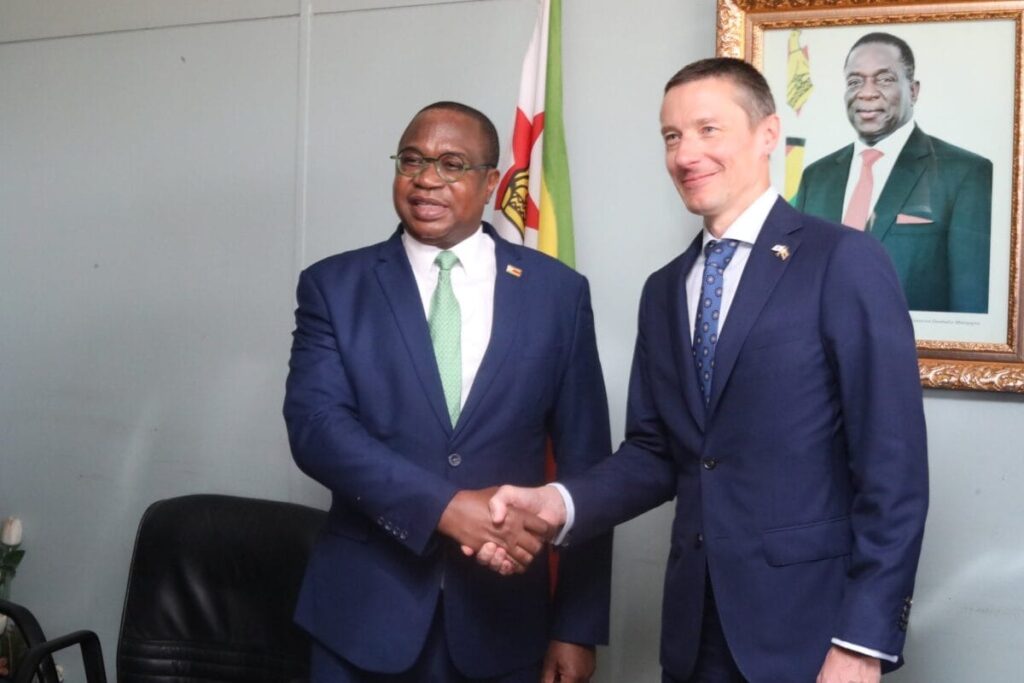
The latest review follows an IMF mission to Harare from September 7 to 17, led by Wojciech Maliszewski. IMF staff subsequently reached a staff-level agreement with Zimbabwean authorities on the second review before it was submitted for management approval.
The Staff-Monitored Programme is intended to help the country establish a sustained record of implementing sound economic policies, which is important to its broader efforts to clear arrears, restructure debt and restore relations with international creditors.
The IMF said completion of the latest review demonstrated continued progress in consolidating macroeconomic stability and strengthening Zimbabwe’s policy implementation record.
The government has been pursuing the programme as part of wider efforts to resolve its long-running debt and arrears crisis and regain access to international financing.
The latest IMF assessment is expected to provide further support for Zimbabwe’s re-engagement efforts, although the Fund stressed that maintaining reform momentum and addressing weaknesses in social spending and fiscal implementation would remain essential.