Business Correspondent
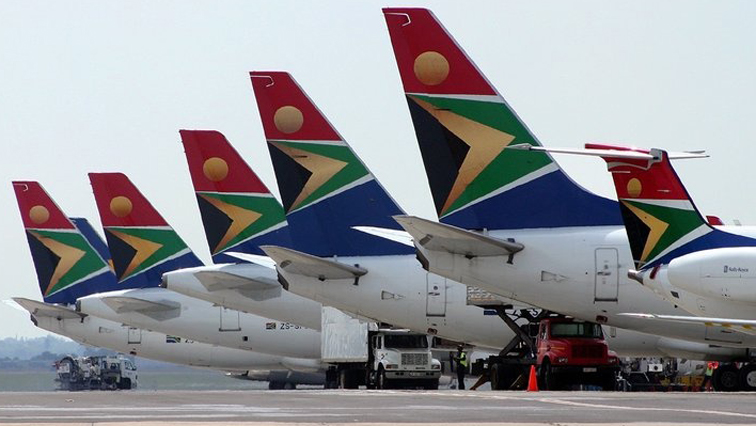
South Africa’s Department of International Relations and Cooperation (DIRCO) is facilitating negotiations with Zimbabwe to help South African businesses, including national airline South African Airways (SAA), recover funds trapped in the country.
DIRCO officials told Parliament’s Standing Committee on Appropriations that the department had been using bilateral engagements, including meetings between ministers, to push for the release of money owed to South African companies.
The money owed includes funds belonging to SAA. In April, South Africa’s Auditor-General told Parliament that Zimbabwe owed the airline more than R900 million, (approximately US$54.1 million), in ticket-sale proceeds.
DIRCO said it was also experiencing difficulties recovering toll revenues linked to the Beitbridge border, while South African mining companies operating in Zimbabwe were facing challenges repatriating their earnings.
DIRCO Chief Director Nyameka Goso said International Relations and Cooperation Minister Ronald Lamola had been writing letters and arranging meetings with his counterparts in an effort to secure agreements on repayment.
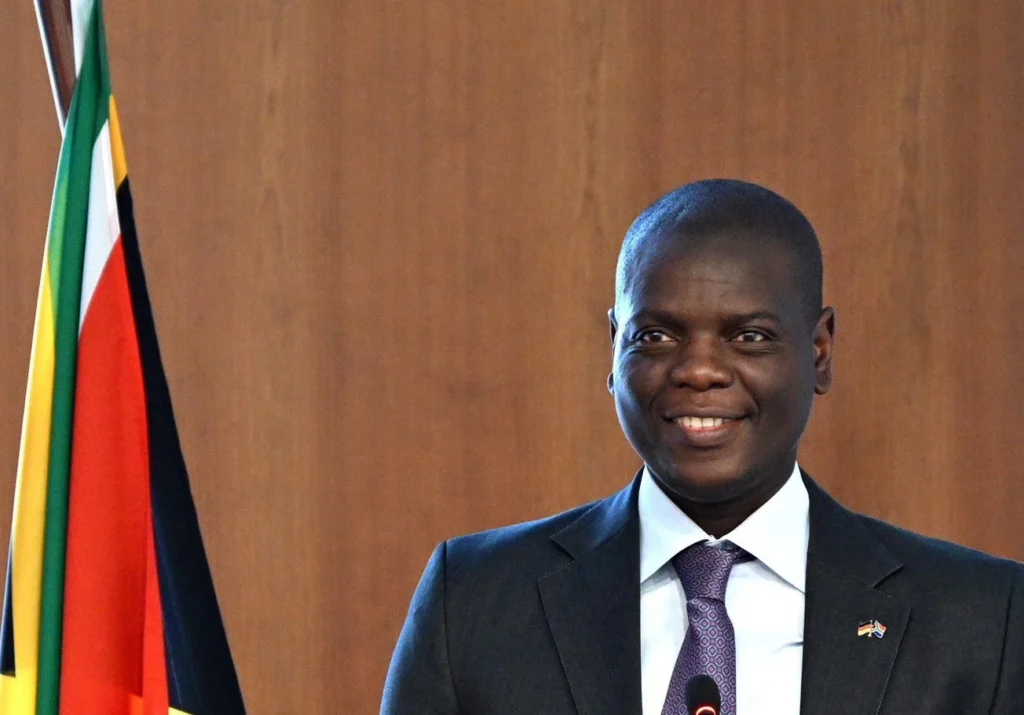
“It is very difficult in some of the cases to force them to fully implement some of the decisions,” Goso said.
The department, however, did not disclose the exact amount owed by Zimbabwe during the public portion of Tuesday’s parliamentary meeting. Discussions subsequently continued behind closed doors.
Goso said DIRCO’s role was primarily to facilitate diplomatic engagements, while the affected South African departments and their political principals would have to determine what further action should be taken.
The concerns come against the backdrop of Zimbabwe’s long-running foreign-currency and liquidity challenges, which have at times made it difficult for companies to move funds out of the country.
Zimbabwe has, however, introduced a number of measures aimed at improving foreign-exchange availability, strengthening the exchange-rate system and making it easier for legitimate investors and exporters to move funds through formal channels.
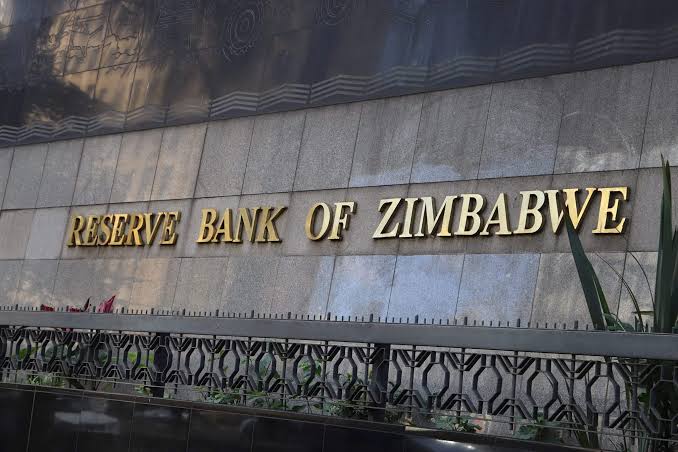
The Reserve Bank of Zimbabwe (RBZ) has been working to deepen the foreign-exchange interbank market and improve price discovery and market efficiency. The central bank has also been building its foreign-currency and gold reserves as part of efforts to strengthen the country’s capacity to meet external payment obligations.
Under Zimbabwe’s foreign-investment framework, foreign investors are allowed to repatriate 100% of disinvestment proceeds and remit 100% of dividends, subject to the applicable exchange-control requirements. Investors can also operate foreign-currency accounts in Zimbabwe.
The RBZ has also said it intends to simplify and automate export and investment documentation as part of efforts to improve capital-flow management. Its Exchange Control Division is responsible for administering exchange-control regulations and ensuring that foreign-exchange resources are channelled towards productive and critical sectors.
Zimbabwe also requires exporters to repatriate export earnings into the country within 90 days, although companies facing difficulties can apply for extensions.
In March 2026, the RBZ maintained the foreign-currency retention threshold for exporters at 70% of gross export proceeds, with the remaining 30% sold to the central bank at the prevailing interbank exchange rate.
Despite these measures, the latest concerns raised by South Africa indicate that challenges remain for some foreign companies seeking to repatriate earnings from Zimbabwe.
The issue prompted concern from Standing Committee on Appropriations chairperson Mmusi Maimane, who questioned whether diplomatic engagement alone would be sufficient to recover the outstanding funds.
Maimane also questioned whether South Africa could impose punitive measures against countries that failed to honour repayment commitments.
The dispute could place additional pressure on the two countries to find a mechanism for clearing outstanding payments while protecting the extensive trade and investment relationship between Zimbabwe and South Africa.
The latest development comes as South Africa continues to grapple with millions of rands in funds owed to its state-owned entities and businesses by foreign governments, with Zimbabwe among the countries facing pressure to settle outstanding obligations.