By Gabriel Manyati
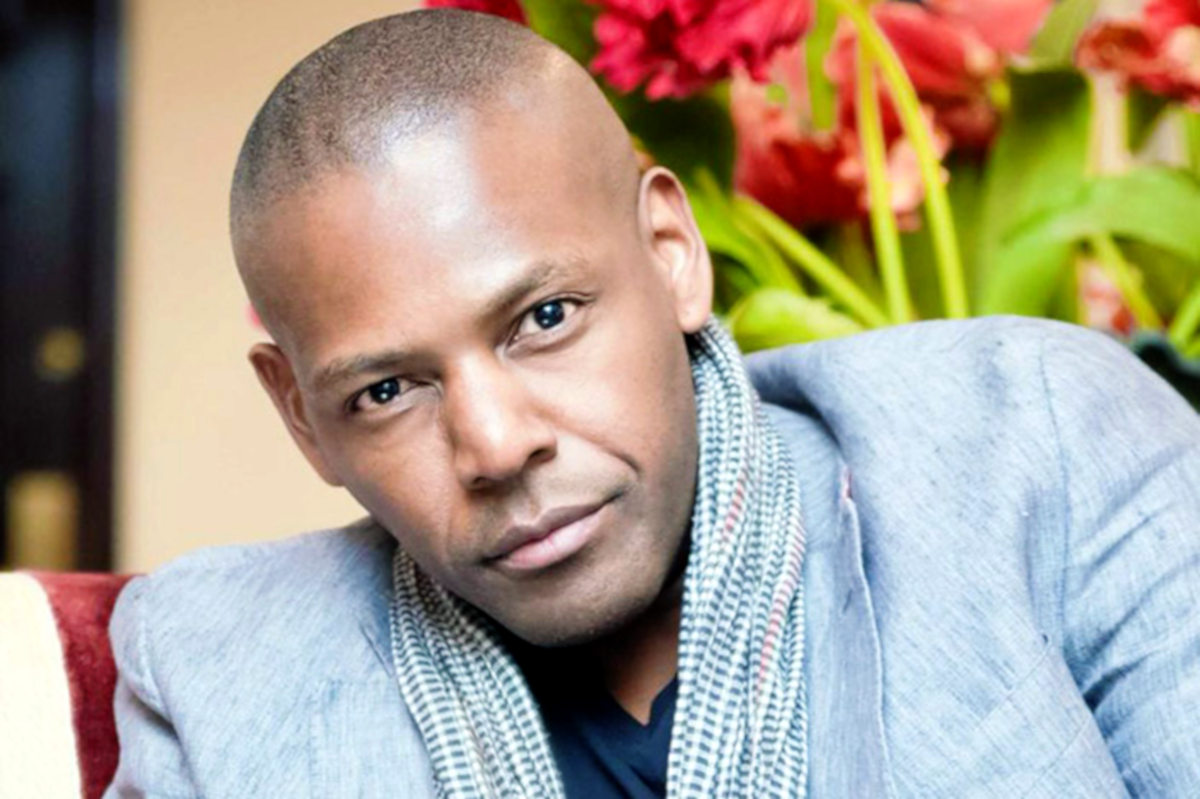
British-born Zimbabwean entrepreneur Frank Buyanga Sadiqi (pictured) remains behind bars after the South Gauteng High Court in Johannesburg rejected his latest attempt to secure release on bail. The 47-year-old, detained since November 2022, faces dual sets of proceedings that have kept him in custody for nearly four years.
In the extradition matter, authorities seek his return to Zimbabwe over allegations that he abducted his young son from former partner Chantell Muteswa in 2022, together with claims of robbery under aggravating circumstances and contempt of court stemming from events in Harare in 2019. Parallel South African criminal charges accuse him of fraud, making a false statement under oath, defeating the ends of justice, and contravening immigration legislation by allegedly entering and remaining in the country on an identity document unlawfully issued to him.
Advocate Pillay, instructed by Ramatse Inc, advanced five purported new grounds in support of the application. These included the contention that the two bail applications ought to have been heard jointly, assertions that the prosecution case rested on a weak Gumede affidavit and should be suspended pending review of a prohibited-person declaration by Home Affairs, challenges to the relevance of earlier United Kingdom convictions and the schedule under which he is held, evidence of declining health, and the welfare of his minor children, one of whom was recently born through IVF while he was incarcerated.
Medical evidence placed before the court indicated that Sadiqi contracted pulmonary tuberculosis, bronchitis and gastroenteritis during his detention. A social worker’s report described his tuberculosis treatment as inadequate. The defence argued these developments, alongside the arrival of the newborn, constituted fresh circumstances justifying liberty.
Justice Dario Dosio rejected every submission. He held that the extradition and criminal matters could not be consolidated because they arise under distinct statutes, involve different parties and would produce different outcomes. The fragmentation complaint was not novel and could have been raised years earlier. Nothing new emerged regarding the strength of the state’s case.
A 2023 prosecutorial affidavit confirmed the rejection of Sadiqi’s permanent-residence application, his declaration as a prohibited person, and alleged unauthorised departures and re-entries. Prior consideration of a plea agreement and the failure of urgent immigration applications further undermined claims of novelty.
Earlier United Kingdom fraud convictions remained relevant to the risk of reoffending and correctly placed the matter under Schedule 5, shifting the onus onto the accused to demonstrate that release would serve the interests of justice. Health concerns had already been ventilated in previous hearings. The court accepted that treatment was being provided in custody and found no medical evidence establishing a life-threatening condition.
The interests of the children had likewise been considered before; continued detention had not prevented conception of a further child via IVF.
Justice Dosio characterised the application as an attempt to reshuffle previously considered material and to abuse process through successive, fragmentary bail applications.
Finding no misdirection by the magistrate and no genuine new facts, he dismissed the appeal and ordered that Sadiqi remain in custody pending trial.
Sadiqi, once known for a high-profile lifestyle and business interests spanning Zimbabwe and South Africa, has seen multiple earlier bail efforts fail. Reports of health complications have circulated for some time, yet successive courts have concluded that available medical care and the gravity of the charges outweigh arguments for interim release.