By Tichaona Katsvamutima
Zambia has been plunged into a fresh constitutional controversy after three petitions seeking the removal of presidential term limits were submitted to Parliament.
Justice Minister Jack Mwiimbu confirmed that the proposals are now before the National Assembly while denying allegations that President Hakainde Hichilema is secretly orchestrating the campaign.
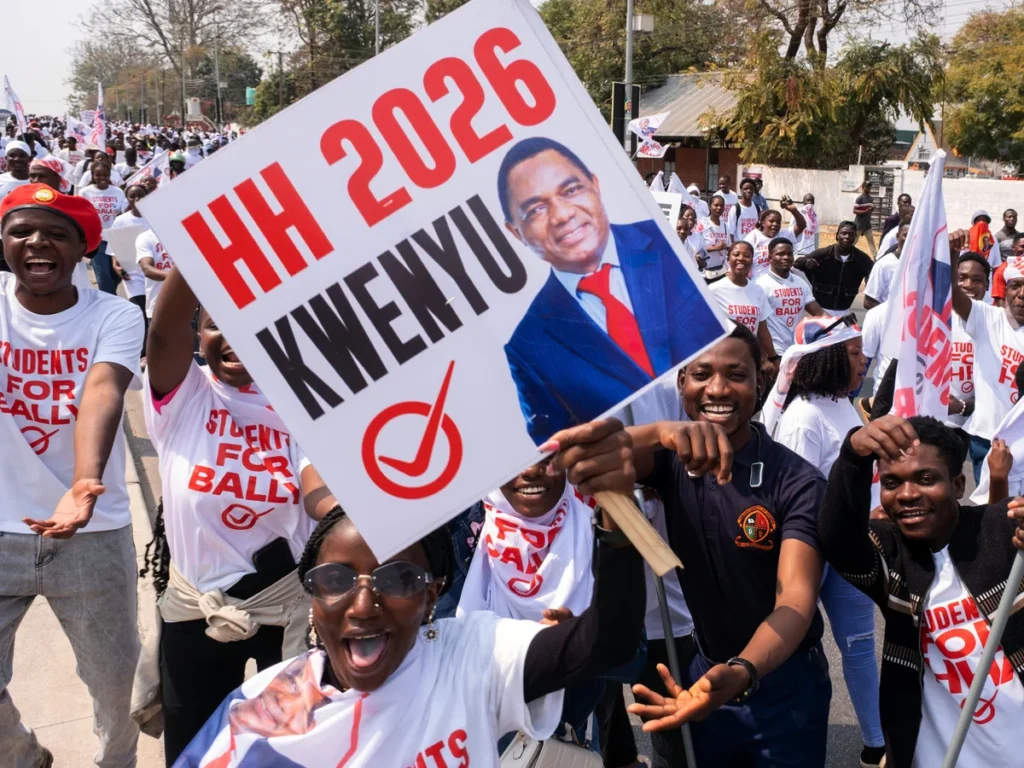
The development has reignited debate over presidential tenure and democratic safeguards in southern Africa, with critics warning that removing constitutional restrictions could open the door for Hichilema to remain in power beyond his current second term.
Speaking at a press briefing in Lusaka, Mwiimbu confirmed that three petitions had been submitted to the National Assembly seeking amendments to Article 106(3) of Zambia’s Constitution, which bars anyone who has twice held presidential office from seeking election again.
The Justice Minister insisted that the initiative originated from citizens exercising their constitutional rights and denied suggestions that Hichilema or the ruling United Party for National Development (UPND) had influenced the campaign.
“I want to repeat, President Hakainde Hichilema has not and does not intend to influence anyone to amend Article 106. It is the people of Zambia who are making those submissions,” Mwiimbu said.
He explained that Article 88(1) of the Constitution allows citizens to petition Parliament to initiate, amend or repeal legislation, maintaining that the Executive would not interfere with matters falling within the National Assembly’s jurisdiction.
Under Zambia’s Constitution, a president serves a five-year term and cannot be elected after holding the office twice.
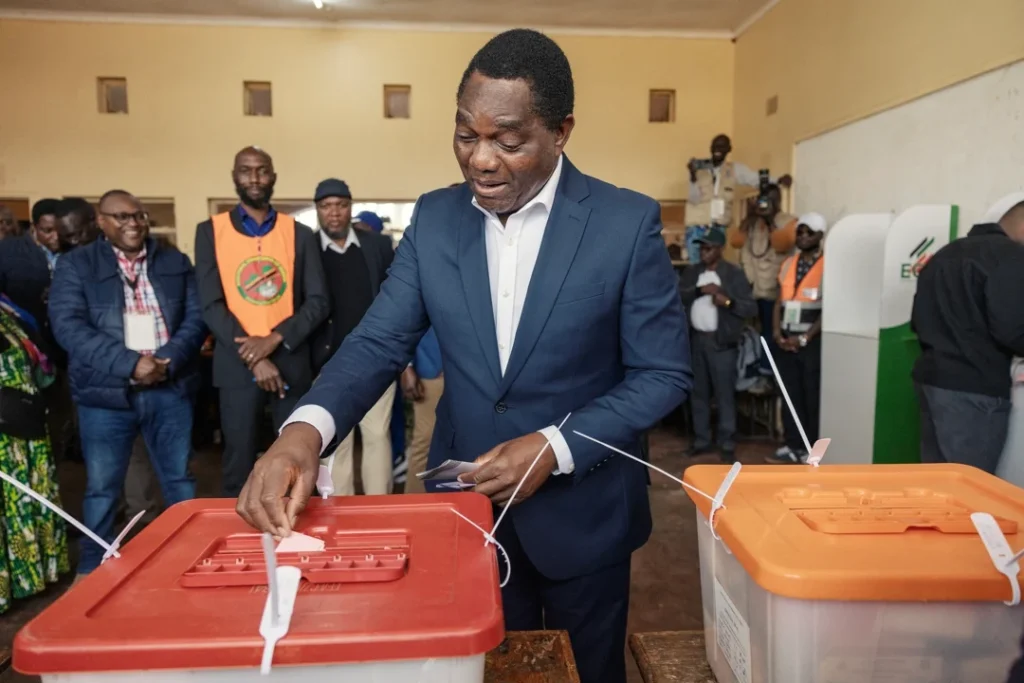
Hichilema, who first assumed office in August 2021, secured a second five-year mandate in the August 2026 elections, meaning he is not eligible to contest another presidential election in 2031.
The emerging campaign has placed renewed scrutiny on Hichilema’s commitment to presidential term limits, particularly given his earlier public opposition to extending presidential tenure.
Shortly after his election in August 2021, Hichilema categorically rejected the prospect of a third presidential term.
“Third term is not part of our language. It should not be anyone’s language and Zambians have spoken about it,” he declared.
Five years later, those remarks have returned to the centre of Zambia’s political debate, raising questions about whether the President will reaffirm his position or leave the issue entirely to Parliament.
During Friday’s briefing, Mwiimbu declined to say whether Hichilema would support the removal of presidential term limits should lawmakers eventually approve such an amendment, arguing that he could not speak on behalf of the Head of State.
Opponents counter that elections alone cannot guarantee democratic accountability where constitutional safeguards against prolonged presidential rule are weakened.
A counter-petition submitted on November 12 urged Parliament to reject attempts to remove the two-term restriction, arguing that constitutional principles must take precedence over individual political ambitions.
Opposition politicians and civil society organisations have warned that abolishing presidential term limits could weaken Zambia’s constitutional framework and establish a precedent for future administrations.
The debate has revived memories of 2001, when supporters of then-President Frederick Chiluba attempted to secure constitutional changes that would have allowed him to seek a third term.
Chiluba’s ambitions encountered fierce resistance from churches, civil society organisations, opposition parties and influential figures within his own political establishment.
The campaign ultimately collapsed, forcing Chiluba to abandon his bid and paving the way for the election of Levy Mwanawasa as his successor.
Across southern Africa, debates over presidential tenure have repeatedly tested the relationship between political power, constitutional safeguards and democratic accountability.
Zimbabwe and the Democratic Republic of Congo have experienced their own disputes over presidential term limits, making Zambia’s unfolding debate relevant to wider regional discussions about constitutional governance.