By Bongani Matshelela
While politicians argue over power, succession and the economy, a more devastating crisis is unfolding inside our homes. It is destroying careers, tearing families apart and creating a criminal economy that threatens the security of the nation.
For Munyaradzi Chitembwe, the crisis is not an abstract national concern or a political talking point; it is a deeply personal tragedy that has unfolded within his own family.
The story of Chitembwe and his son’s battle with drug addiction was brought to public attention through a report aired by the national broadcaster, ZBC. The report also brought into focus the work of Angel of Hope Foundation, an initiative led by the First Lady, Auxillia Mnangagwa, which is involved in efforts to support vulnerable people and address social challenges, including drug and substance abuse.
Chitembwe, had every reason to be proud. His son was a qualified medical doctor who had worked and was pursuing further specialisation. He had achieved what many parents spend a lifetime hoping for their children: a good education, a promising career and the prospect of a secure future.
But drugs changed everything. In time, Chitembwe found himself confronting a parent’s worst nightmare: taking his adult son to a rehabilitation centre, desperately hoping that the young man he had raised could overcome addiction and reclaim his life.
The story is more than a family tragedy. It is a warning to every Zimbabwean household. If addiction can consume a qualified doctor with education, professional prospects and family support, no one should imagine that their family is beyond its reach.
And the doctor’s story is only one of many.
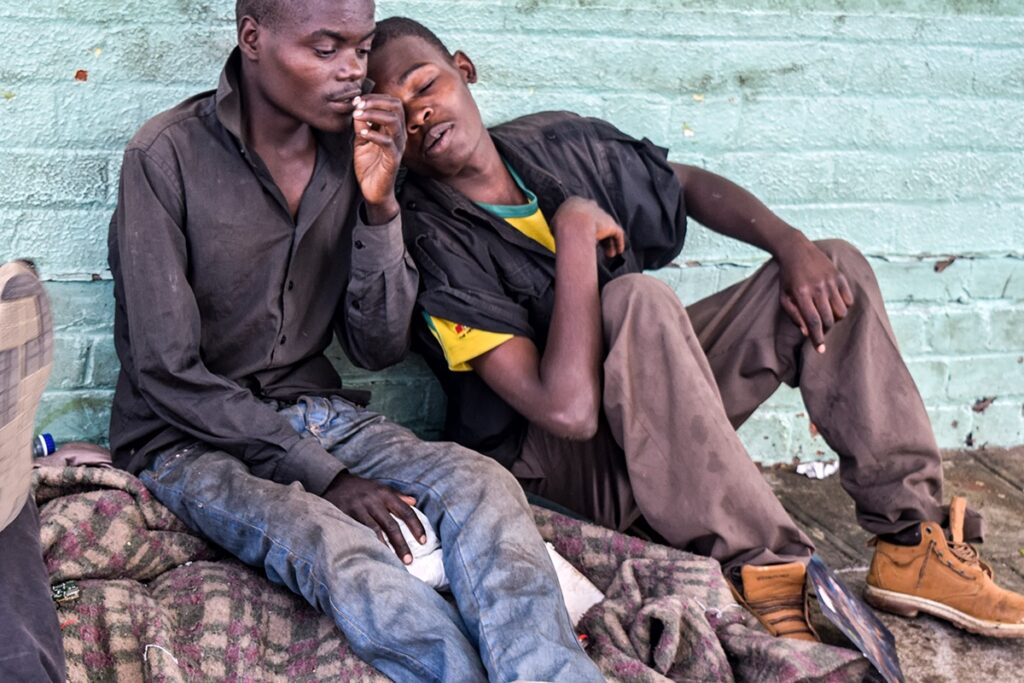
At the centre’s accounts of families whose lives have been turned upside down are prevalent. One of the most disturbing was that of an 11-year-old girl who brought her two older siblings for help. Think about that for a moment. At an age when a child should be protected by adults, this little girl was trying to rescue members of her own family.
These are individual family testimonies, not a description of every person battling addiction. But they reveal the pressure being placed on households that often have nowhere to turn.
The crisis is no longer something happening in distant townships or among children from supposedly troubled backgrounds. It is entering ordinary homes, cutting across education, class and family circumstances.
For those who have not yet encountered it, the danger is not theoretical. It is already close enough to demand attention.
Zimbabweans have spent much of their energy debating the economy, political succession and the country’s wider governance challenges. Those debates matter. But while the national conversation is consumed by politics, an equally serious emergency is taking hold among the young.
Arrests are not the same as dismantling a market. Destroying a drug base is not the same as breaking the network that supplies it. And arresting a young user does not necessarily bring investigators any closer to the people financing, importing and distributing the substances.
When criminal money buys influence
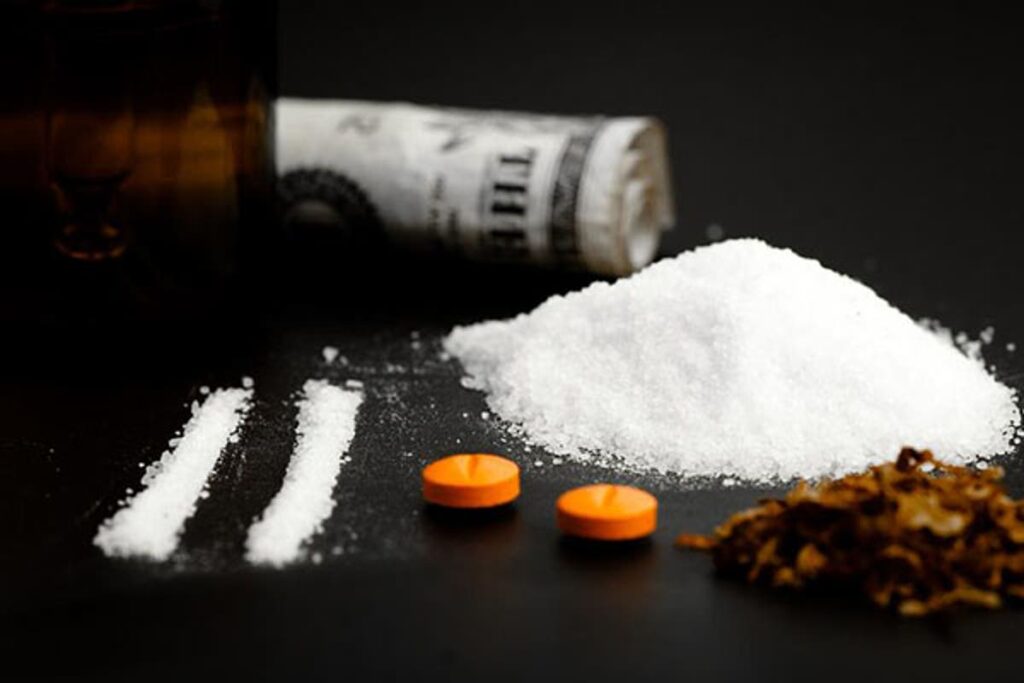
Drug trafficking is not simply about substances changing hands on street corners. At its most organised, it is an international business involving suppliers, transporters, financiers, distribution networks and people willing to provide protection.
The danger is that, as these networks accumulate wealth, they can begin to challenge the authority of the state itself. They can corrupt officials, intimidate witnesses, compromise law enforcement and use legitimate businesses to conceal criminal proceeds.
South Africa offers a warning Zimbabwe cannot afford to ignore. Allegations and evidence emerging before the Madlanga Commission have drawn attention to concerns about criminal networks, corruption and possible links between organised crime and people within parts of the criminal justice system.
The proceedings should be allowed to establish individual responsibility through evidence. But the broader warning is unmistakable: when criminal interests penetrate public institutions, the damage extends far beyond drug users and their families.
Mexico and Colombia provide even more sobering lessons. Powerful drug organisations have, at different times, used violence, bribery and intimidation to weaken public institutions, influence local authorities and challenge the state’s control over territory. The consequences have included murdered officials, frightened communities and institutions struggling to act independently.
Zimbabwe must not wait until trafficking networks become powerful enough to dictate terms to the state.
This is why investigations must move beyond street-level arrests. Police, prosecutors and financial investigators should follow the money: identify the financiers, trace suspicious assets, investigate cross-border routes and establish whether any public officials are providing protection. Those who organise and profit from the trade must face the law, regardless of their wealth or connections.
The argument over punishment
In countries such as Singapore and China, drug trafficking attracts exceptionally severe penalties, including the death penalty in certain circumstances. Some Gulf jurisdictions also impose severe sentences for serious drug offences. Their governments argue that harsh punishment is necessary to deter trafficking and protect society from the damage caused by drugs.
The debate is not difficult to understand. No parent wants to watch a child destroyed by addiction while those supplying the substances grow rich. Public anger is justified, particularly when major traffickers appear to evade accountability.
But punishment alone does not dismantle a criminal economy. The certainty of detection, credible investigations, fair trials and the disruption of financial networks are essential. Severe penalties cannot compensate for weak investigations or selective enforcement. Zimbabwe’s immediate challenge is to make the laws that remain effective and apply them without fear or favour.
Rehabilitation cannot depend on goodwill
The work being done through Angel of Hope deserves recognition. The initiative has brought families into the public conversation and offered people a chance to seek help. The story of former broadcaster Oscar Pambuka is a reminder that recovery is possible. But one rehabilitation initiative cannot carry a national emergency.
A particularly painful question is why a father should have to bring his qualified doctor son to a rehabilitation centre before the state can offer meaningful support. Why should an 11-year-old have to take responsibility for getting her siblings help? Why should families wait until theft, threats or violence have entered their homes before they can access assistance?
Zimbabwe needs affordable treatment and mental-health services in every province, trained addiction specialists, confidential family support and proper aftercare. Young people leaving rehabilitation need help returning to school, training or employment. Prevention must be part of everyday life in schools and communities, not an occasional campaign staged for photographs.
Families also need somewhere to turn when addiction creates a safety risk at home. Parents cannot be expected to act simultaneously as police officers, counsellors and addiction specialists. Children and vulnerable relatives must be protected, while those struggling with dependency must be treated with dignity.
The country also needs reliable information about the relationship between substance abuse, trafficking, prostitution and sexual exploitation. Vulnerability, poverty and dependency can expose women and girls to coercion and abuse. These links require proper investigation, child protection and support for victims — not sweeping assumptions or sensational headlines.
A decision for the President and Cabinet
If I had an opportunity to speak to the President, I would ask him to convene an emergency Cabinet session and treat drug abuse as a national priority.
Not another speech. Not another committee without resources. A coordinated response involving health, education, social welfare, police, justice, local government and civil society, with a dedicated budget, clear deadlines and measurable targets.
Parliament should scrutinise progress. Government should publish regular figures showing not only arrests and seizures, but also treatment admissions, successful rehabilitation, relapse rates, major trafficking prosecutions and convictions.
The doctor’s father should not have had to become the last line of defence between his son and addiction. The 11-year-old girl should not have had to carry the burden of rescuing her siblings. And no family should have to live in fear while those who profit from the destruction of young lives remain untouched.
The crisis has already entered our homes. The question is whether Zimbabwe’s leaders will recognise that they are not simply confronting a drug problem, but defending the future of the country. A nation cannot build its future on a generation it has failed to protect.