
By Bhekithemba Ncube
War veterans at Springs Farm in Goromonzi have raised serious concerns over suspected sabotage and intimidation following a night-time attack in which three security guards were tied up, two centre-pivot irrigation systems vandalised, electricity infrastructure damaged and critical agricultural equipment stolen.
The war veterans have reported the matter to Juru Police Station (RRB6748003).
The incident occurred on the eve of an anticipated court judgment in the protracted Springs Farm land dispute involving war veterans and businessman Conrad Muller ‘Billy’ Rautenbach.
The beneficiaries suspect that the destruction of their agricultural infrastructure is part of a wider pattern of intimidation intended to force them off the property. They are calling for urgent intervention by law enforcement authorities to protect their lives, homes and investments.
THREE SECURITY GUARDS TIED UP AS IRRIGATION SYSTEMS ARE VANDALISED
In what the farmers describe as a particularly disturbing development, three security guards were tied up during the night incident.
The attackers proceeded to vandalise two centre-pivot irrigation systems, removing span cables and cutting off sprinklers before throwing the equipment onto the ground.
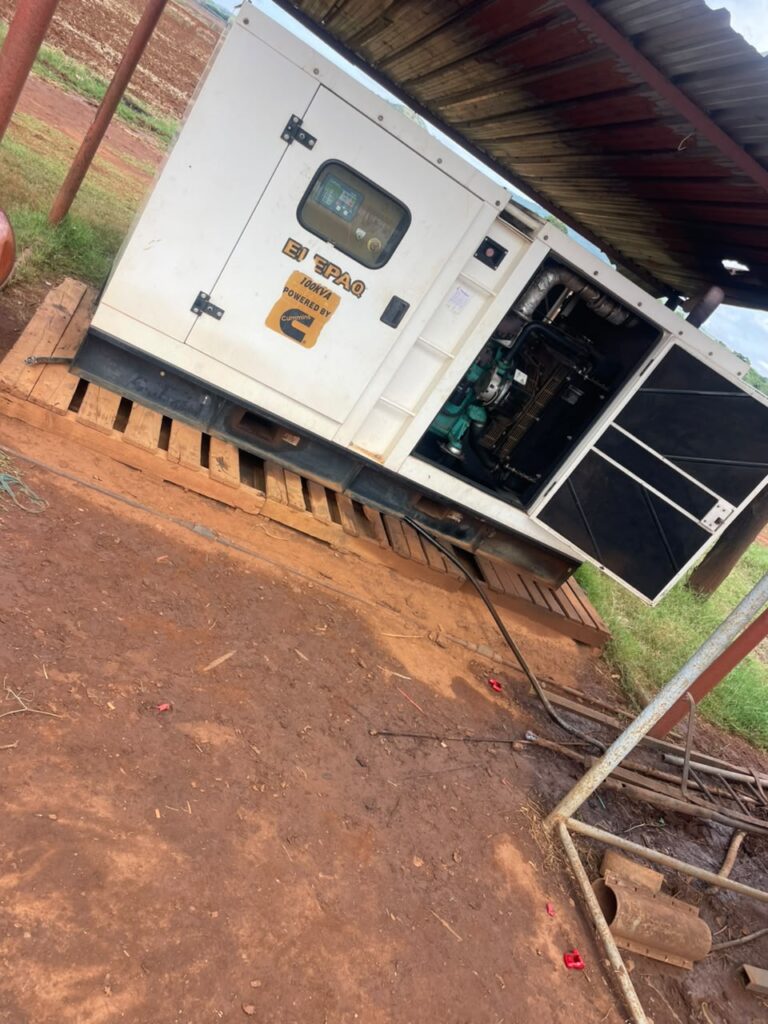
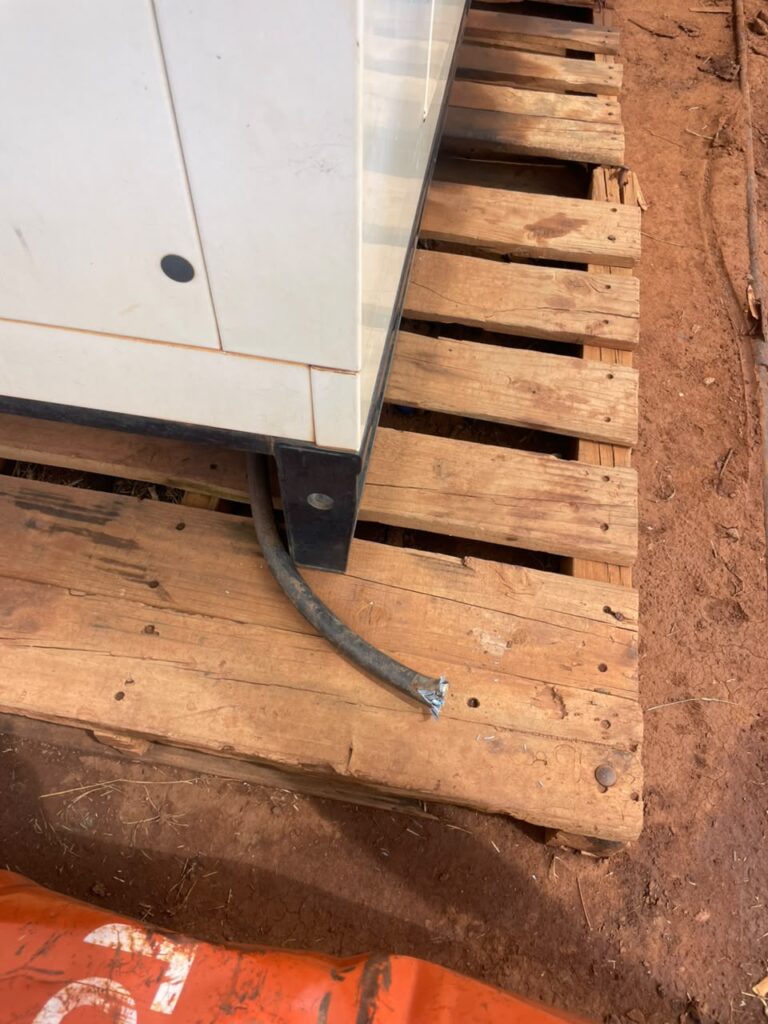
At the pump house, electrical cables were cut up and left damaged rather than being removed, raising suspicions that the intention was to disable essential irrigation and electricity infrastructure rather than simply steal equipment.
Other reported damage and losses include:
* Vandalism of two centre-pivot irrigation systems.
* Removal of centre-pivot span cables.
* Sprinklers cut off and discarded on the ground.
* Electrical cables inside the pump house cut and damaged.
* Damage to electricity transformers.
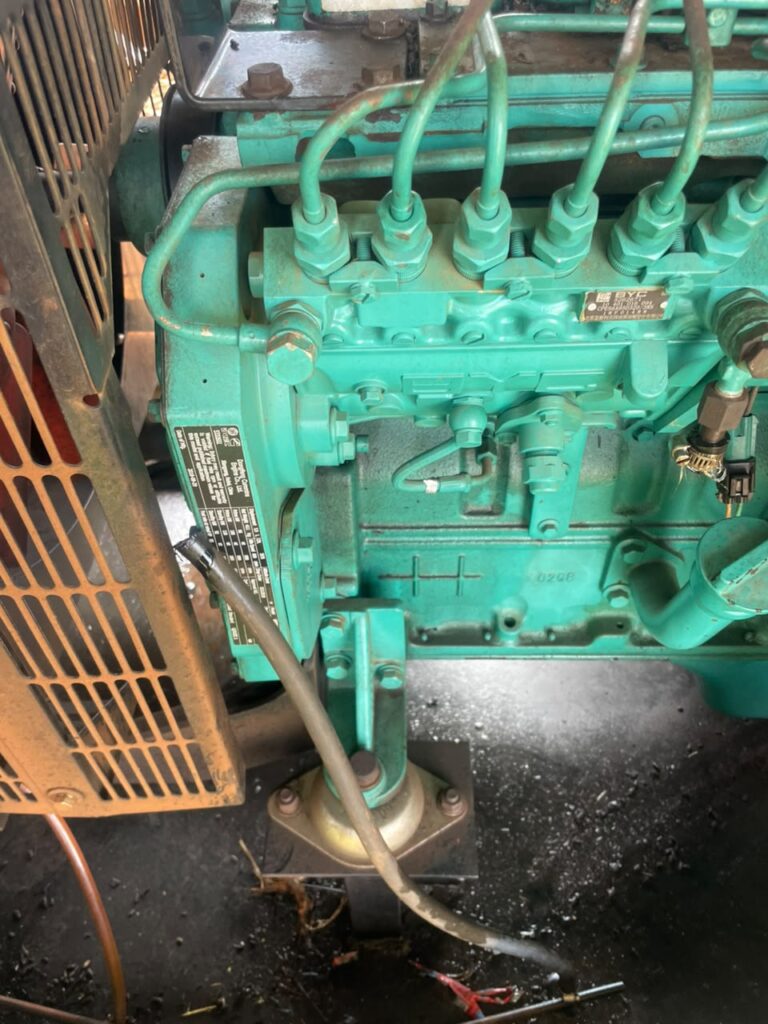
* Damage to the farm’s backup generator.
* Theft of electricity cables from other sections of the farm.
* Theft of irrigation pipes.
The destruction threatens to disrupt irrigation operations at a critical point in the agricultural calendar, as farmers prepare for the 2026/2027 summer cropping season.
The affected infrastructure represents substantial investment in modern agricultural production. Its destruction threatens crop establishment, employment, farm incomes and the livelihoods of families who dependent on the property.
The beneficiaries describe the incident as economic sabotage and are demanding a thorough investigation.
RAUTENBACH’S REPORTED HELICOPTER FLIGHTS RAISE FURTHER QUESTIONS
The latest incident follows reports from farmers that Rautenbach flew around Springs Farm in his helicopter the previous week, inspecting areas where beneficiaries were undertaking land preparation for their summer crops.
According to the farmers, the helicopter flew over different sections of the farm and repeatedly hovered above their state-of-the-art horticultural greenhouses.
The greenhouses represent substantial investment in modern horticultural production and form part of the beneficiaries’ efforts to expand agricultural productivity.
The farmers are questioning the purpose of the helicopter’s movements, particularly its presence over areas where agricultural activities were underway.
They argue that the helicopter flights, followed by the destruction of critical agricultural infrastructure, warrant closer scrutiny by the authorities.

RETIRED MAJOR CHADEMANA’S HOUSE BROKEN INTO TWICE
Concerns over the personal safety of beneficiaries extend beyond the latest attack on agricultural infrastructure.
According to the war veterans, Retired Major Alfred Chademana, another beneficiary at Springs Farm, has experienced two separate break-ins at his residence. Both incidents were reported at Highlands Police Station.
The beneficiaries believe the repeated targeting of his home was intended to intimidate him into abandoning Springs Farm and surrendering his interests in the property.
They said Chademana also escaped death on two separate occasions in incidents which the beneficiaries associate with attempts to intimidate those resisting the dispossession of the farm.
The farmers argue that the repeated break-ins, coupled with the alleged threats to his personal safety, raise serious concerns about the security of beneficiaries and their families.
They want the police to investigate whether these incidents are connected to the wider dispute over Springs Farm.
DRONE OPERATORS ARRESTED IN FEBRUARY
The war veterans also point to an incident on 4 February 2026, when drones were flown over their homes and agricultural properties, taking photographs and conducting what they describe as surveillance operations.
According to the beneficiaries, the drone operators were intercepted and arrested.
They allege that the operators disclosed that they had been sent by Rautenbach and produced a letter of authorisation bearing his name.
The farmers say the incident was reported to the police and regard the letter and the circumstances surrounding the arrests as important evidence requiring further investigation.
They further report that their perimeter fencing was pulled down and vandalised, adding to concerns over the security of their homes and agricultural investments.
The beneficiaries maintain that these incidents should not be viewed in isolation and are demanding that law enforcement authorities investigate whether there is a coordinated pattern of intimidation.
WAR VETERANS: THIS IS NOT RHODESIA
For the war veterans, the Springs Farm dispute represents more than a contest over agricultural land. It raises fundamental questions about the dignity of Zimbabweans, the protection of liberation war beneficiaries and the meaning of independence.
The beneficiaries argue that they participated in the liberation struggle so that black Zimbabweans could enjoy freedom, economic empowerment and equal protection under the law.
They strongly reject what they describe as attempts to intimidate them into surrendering their investments and livelihoods.
“We are hardworking farmers in a free and independent Zimbabwe. We deserve protection. This is not Rhodesia, where black people were subjected to harassment and intimidation by a white minority. We fought for independence and the right to live and work with dignity in our own country,” said one war veteran.
They insist that they are not seeking special treatment but the protection of rights guaranteed to every Zimbabwean under the Constitution.
They argue that no businessman, regardless of wealth or influence, should be above the law or entitled to use intimidation to settle a land dispute.
DEMANDS FOR POLICE AND GOVERNMENT INTERVENTION
The war veterans are calling upon the Zimbabwe Republic Police and relevant government authorities to urgently investigate the incidents and protect the remaining agricultural infrastructure.
They are demanding:
1. Investigation into the attack on the three security guards.
2. Investigation into the vandalism of the two centre-pivot irrigation systems.
3. Forensic assessment of the damaged transformers, generator and pump-house electrical installations.
4. Investigation into the theft of irrigation pipes and electricity cables.
5. Examination of the reported helicopter flights over farming operations.
6. Review of the 4 February 2026 drone incident, including the arrests and alleged authorisation letter.
7. Investigation into the two break-ins at retired Major Chademana’s residence, reported at Highlands Police Station.
8. Investigation into the alleged threats against Chademana and other beneficiaries.
9. Immediate protection of farmers, their families, homes and agricultural investments.
10. Prosecution of anyone found responsible for criminal activities, intimidation or destruction of property.
SPRINGS FARM JUDGMENT AND THE FUTURE OF AGRICULTURAL INVESTMENT
The latest developments come amid a protracted legal dispute in which war veterans are contesting spirited attempts to dispossess them of Springs Farm, arguing that they are lawful beneficiaries who have invested considerable resources in developing the property.
The dispute has attracted public attention because of competing claims over land rights, existing agricultural investments, government land allocations and the protection of beneficiaries of the liberation struggle.
The anticipated court judgment comes against an increasingly tense background, with farmers facing uncertainty over their land rights while also reporting attacks on their security personnel, homes and productive infrastructure.
The beneficiaries maintain that whatever the outcome of the judicial proceedings, criminal conduct, intimidation and destruction of productive assets must be investigated independently.
They argue that the destruction of agricultural infrastructure undermines Zimbabwe’s ambitions for agricultural modernisation, food security, employment creation and investment protection.
The central question now confronting the authorities is whether the rule of law will adequately protect farmers and war veterans when their rights, livelihoods, homes and investments are threatened amid a high-profile land dispute.
Springs Farm is not simply a piece of land. It represents the livelihoods of farming families, years of agricultural investment, employment and the aspirations of beneficiaries of Zimbabwe’s liberation struggle.
The beneficiaries are demanding protection, accountability and the right to continue farming without fear.
Their position is clear: independence must guarantee every Zimbabwean the right to live, work, invest and farm without intimidation, regardless of the wealth or influence of those with competing interests in their land.



