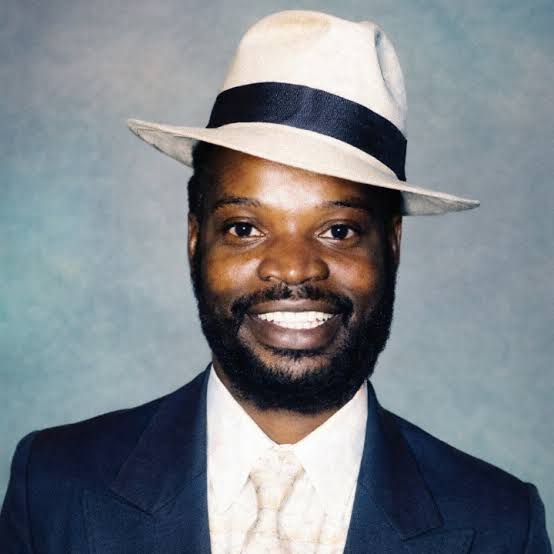
Arts Correspondent
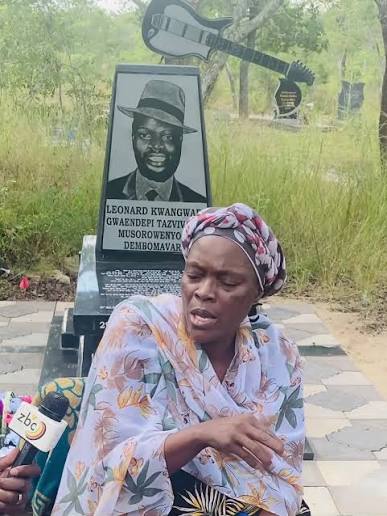
The widow of legendary sungura musician Leonard Dembo has told Parliament that she and her children are living in poverty despite the continued popularity of the late musician’s music.
Eunice Dembo made the remarks during a parliamentary hearing attended by representatives from the Zimbabwe Music Rights Association (ZIMURA) and the Zimbabwe Council of Copyrights. The hearing was convened to allow artists and their families to raise concerns about copyright management and royalty payments.
An emotional Mai Dembo questioned who was benefiting from royalties collected from her husband’s music, saying the family had seen little benefit despite his enduring legacy in Zimbabwean music.
“I am suffering together with my children. Who are you giving the money from royalties that you are collecting? You are feeding your families while we are suffering,” she told the hearing.
She also took aim at the popular Legends Night shows, organised by the band In Total, arguing that families of deceased musicians whose songs are performed at the events should receive a share of the proceeds.
According to Mai Dembo, the family has only received minor gifts despite promises of support.
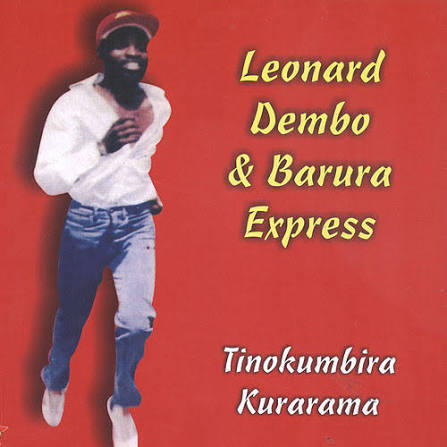
Dembo was one of Zimbabwe’s most celebrated sungura musicians, rising to national fame in the 1980s and 1990s with his distinctive guitar style, powerful songwriting and socially resonant Shona lyrics. His 1991 hit Chitekete became one of the defining songs of Zimbabwean popular music and sold more than 100,000 copies, cementing his status as a household name. Dembo died in Harare on 9 April 1996, aged 36, after a period of ill health.
His death cut short a hugely influential career, but decades after his death, Dembo’s music continues to enjoy remarkable popularity, transcending the generation that first embraced him. His signature song, Chitekete, remains a fixture at weddings, social gatherings and on Zimbabwean radio, while his other hits such as Venenzia, Ruva Rashe and Shiri Yakangwara continue to attract listeners.
Dembo’s music remains part of Zimbabwe’s cultural soundtrack—a rare testament to an artist whose influence has outlived his relatively short career.
Meanwhile, musician Will Wataffi, who rose to prominence with Africa Revenge, echoed Mai Dembo’s her sentiments during the parliamentary hearing saying organisers of corporate-sponsored Legends Night events should ensure that families of the original artists benefit from performances of their music.
“We are seeing how Legends Night is benefitting from corporate-sponsored shows. They should remit something to the owners who created the music,” said Wataffi.
He added that while some groceries had been donated to families of deceased musicians, it remained unclear whether other commitments had been fulfilled.
The hearing highlighted growing concerns within Zimbabwe’s music industry over royalty distribution, copyright protection and the welfare of families of deceased artists whose music continues to generate income years after their deaths.