By Tichaona Katsvamutima
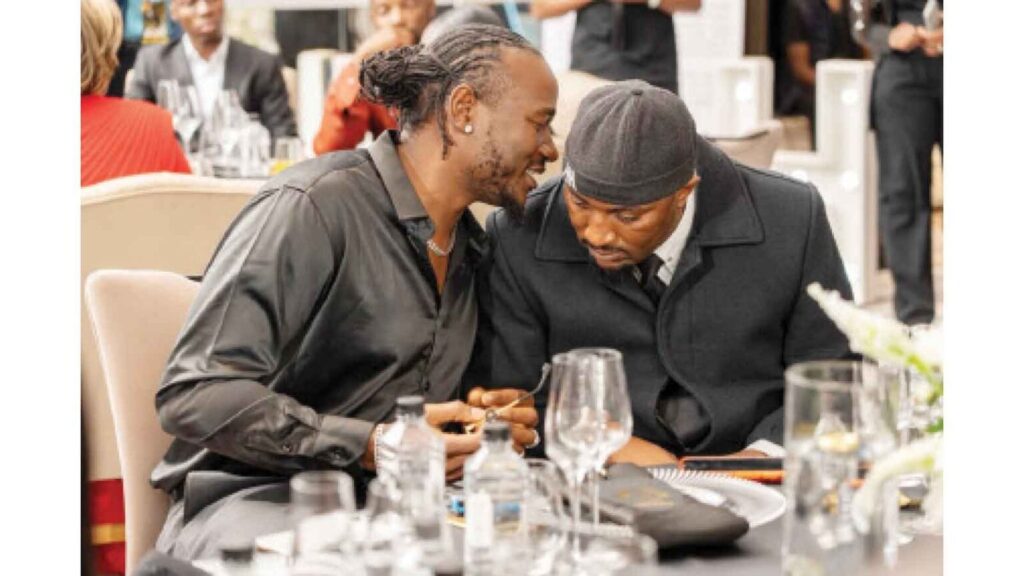
Twenty-four years after Zimbabwean urban grooves musician Alishias Musimbe commonly known as Maskiri faced religious condemnation and a radio ban over his song Dhara Rangu, gospel rapper and businessman Mudiwa Hood has released Dhara reMadhara, invoking God through similarly informal Shona language but apparently escaping comparable public outrage.
The contrasting reception of the two musicians raises questions about how Zimbabwean society judges religious expression in music. Has the country become more accepting of unconventional references to God, or do an artist’s reputation, wealth and religious connections influence public judgment?
In 2002, Maskiri’s Dhara Rangu, featured on his debut album Muviri Wese, faced broadcasting restrictions following criticism from sections of the Christian community and gospel musicians who considered its religious references blasphemous.
At the centre of the controversy was his description of God as “Dhara Rangu”, a street expression loosely referring to an older man who relates comfortably with younger, streetwise people. Critics argued that such language trivialised God’s sacred status.
In September 2026, Mudiwa released Dhara reMadhara, presenting the title as a reference to God and an expression of gratitude for his personal journey.
The song attracted approximately 399,000 YouTube views within weeks of its release, compared with around 38,000 views accumulated by Maskiri’s Dhara Rangu over six years.

Although Mudiwa’s song recorded more than ten times the YouTube views of Maskiri’s track, the figures do not establish differences in public approval. Changes in digital consumption, promotional opportunities and audience reach must also be considered.
What makes the comparison particularly interesting is the apparent absence of a similarly prominent wave of religious condemnation surrounding Mudiwa’s release.
UK-based music expert Chipo Dzapasi believes the difference cannot be understood without examining how Zimbabwe’s music industry and religious attitudes have evolved over the past two decades.
“Beyond his questionable and controversial public image, Maskiri was also a victim of his time. Back then, gospel music was viewed through much more conservative lens, with strict expectations about how it should be performed and who was considered acceptable to sing it,” Dzapasi said.
“Today, the music industry has evolved, and gospel music is no longer confined to traditional styles or particular categories of musicians. Almost anyone can now sing about God, regardless of their musical background or genre. What was considered controversial in Maskiri’s time might not necessarily attract the same criticism today.”
Her assessment highlights the transformation of Zimbabwe’s musical landscape, where religious messages increasingly feature in hip-hop, dancehall, Afro-pop and other contemporary genres rather than being confined to traditional gospel music.
Zimbabwean veteran music producer, musicologist and educator Mono Mkundu shares the view that religious tolerance has improved but argues that selective judgment remains a problem, particularly within Christian communities.
Asked by National Interest News whether society had become more accepting of unconventional religious expression or whether an artist’s reputation still influenced public reception, Mkundu questioned the religious sensitivities that often fuel accusations of blasphemy.
“Generally, Abrahamic religions (Christianity, Islam and Judaism) tend to be overly sensitive, sometimes over issues that I consider quite trivial. I believe God is not particularly bothered by such titles or descriptions. In fact, I think He has a sense of humour. And if He is displeased by anything, I am sure He is perfectly capable of dealing with the person responsible. We don’t necessarily have to get angry on His behalf unless he is too weak to stand for Himself. That is why I find accusations of blasphemy difficult to understand or justify.”
Mkundu acknowledged that attitudes had changed over the years but maintained that religious communities were not always consistent in their judgments.
“But coming back to your question, I do think there has been some improvement in tolerance. However, I still feel that Christians, in particular, tend to practise selective judgement, because essentially, it is the same thing when viewed from a different perspective.”
His remarks introduce a more critical dimension to the debate, suggesting that while Zimbabwean society may have become more tolerant of unconventional religious expression, the identity and public reputation of an artist can still influence how similar messages are interpreted.
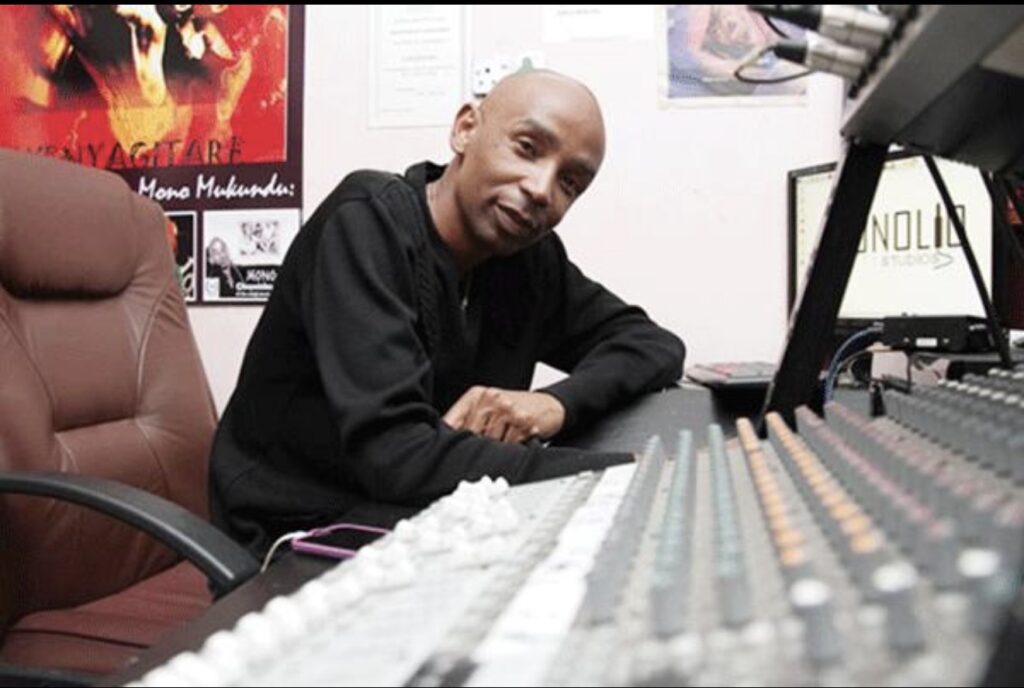
While Dzapasi emphasises the evolution of gospel music and changing cultural expectations, Mkundu questions whether religious tolerance has progressed consistently or whether selective judgment continues to shape public reactions.
Their observations raise a fundamental question: if informal language used to describe God was considered offensive when expressed by one musician, should it become acceptable simply because another artist enjoys a more established religious reputation?
Munyaradzi Mwashayireni, a music fan, questioned whether musicians were being judged according to consistent religious principles.
“Zimbabweans need to be honest about how they judge musicians. When Maskiri sang about God, some people were quick to accuse him of blasphemy because of his controversial background. Now Mudiwa Hood uses seemingly similar expressions, and we are not seeing the same level of outrage,” Mwashayireni said.
“Are we defending the name of God, or are we judging people according to their reputation? Religious principles should apply equally, regardless of who is singing.”
The artists’ contrasting public identities may also be relevant.
Maskiri became known for provocative lyrics and a willingness to challenge conservative expectations, while Mudiwa has built his career around gospel music, Christianity, entrepreneurship and motivational messages.

Beyond music, Mudiwa has established a business identity through his MH brand, luxury fashion and an affluent lifestyle associated with expensive vehicles and wealthy personalities.
His financial standing attracted attention during the September 2026 launch of Dhara reMadhara, where bidding for a signed copy of the album reached US$90,000.
Such displays of wealth have contributed to Zimbabwe’s fascination with affluent personalities popularly described as Zvigananda, whose lifestyles frequently attract admiration and controversy.
Leona Samukange, interviewed by National Interest News, believes financial success can influence how society judges celebrities.
“I think money and social status have changed how people view celebrities in Zimbabwe. When someone is wealthy, drives expensive cars and associates with influential people, society sometimes becomes more willing to accept whatever they do,” Samukange said.
“Mudiwa Hood has built a powerful brand around success and Christianity, but that should not mean his music is beyond criticism. If Maskiri was questioned over his choice of words, Mudiwa should be judged by the same standards.”

Mudiwa’s religious associations include his longstanding relationship with preacher Uebert Angel, whom he has publicly acknowledged as his spiritual father and mentor.
Angel was appointed Zimbabwe’s ambassador-at-large by President Emmerson Mnangagwa in 2021, establishing a formal connection with the country’s political and diplomatic establishment.
Mudiwa has previously credited Angel with supporting his musical career, although he has also acknowledged that their association affected opportunities to perform at certain churches.
Milton Mazvaure, another music lover who shared his views with National Interest News, questioned whether influential relationships could shape perceptions of musicians.
“The relationship between money, religion and politics in Zimbabwe has become difficult to ignore. Artists who have access to wealthy businesspeople and influential religious figures naturally attract more attention and opportunities,” Mazvaure said.
“Mudiwa Hood’s connections may have strengthened his public image, but we must also ask whether ordinary musicians receive the same treatment. The real issue is whether Zimbabweans are listening to the message or respecting the status of the person delivering it.”
Nevertheless, there is no established evidence that Mudiwa’s wealth or influential relationships have directly determined the public response to his song.
The apparent absence of widespread criticism across Facebook, TikTok and X also requires careful interpretation. While comparable objections have not been prominently documented, this does not establish universal approval or mean that criticism has been entirely absent.
Equally important is whether the two songs communicate the same religious message.
Although Dhara Rangu and Dhara reMadhara use informal expressions associated with God, similarities in their titles do not necessarily mean their lyrics, intentions or theological meanings are identical.
Maskiri’s controversy unfolded in a different broadcasting environment, when radio stations exercised considerable influence over which songs reached mainstream audiences. Mudiwa’s release comes in an era when musicians can distribute their work directly through digital platforms.
These differences complicate any straightforward conclusion that Zimbabweans have applied inconsistent moral standards.
Yet they do not eliminate the questions raised by the contrasting reactions.
The perspectives of Dzapasi and Mkundu suggest that Zimbabwe’s response to unconventional religious expression has evolved, although questions remain about whether that tolerance is applied consistently.
While Dzapasi attributes much of the difference to changing musical and cultural attitudes, Mkundu argues that selective religious judgment continues to influence public reactions.
Their assessments, alongside concerns raised by Mwashayireni, Samukange and Mazvaure, highlight the possible roles of reputation, wealth and social standing in shaping perceptions of musicians.
Nevertheless, these observations do not establish that Mudiwa Hood has benefited from preferential treatment or that the two songs carry identical religious meanings.
Ultimately, the comparison is not about whether Mudiwa Hood should face the condemnation Maskiri experienced in 2002. It is about understanding why seemingly similar forms of religious expression can provoke different reactions across generations.
The debate also leaves important questions for Maskiri and Mudiwa Hood themselves. Their perspectives could provide further insight into whether the contrasting reactions reflect changing religious attitudes, differences in artistic expression or the influence of public reputation.
Has Zimbabwean society genuinely become more accepting of artistic freedom and unconventional expressions of faith, or does the identity of the musician still determine what audiences consider respectful or blasphemous?
Perhaps the answer lies somewhere between changing times and changing standards.