By Tichaona Katsvamutima
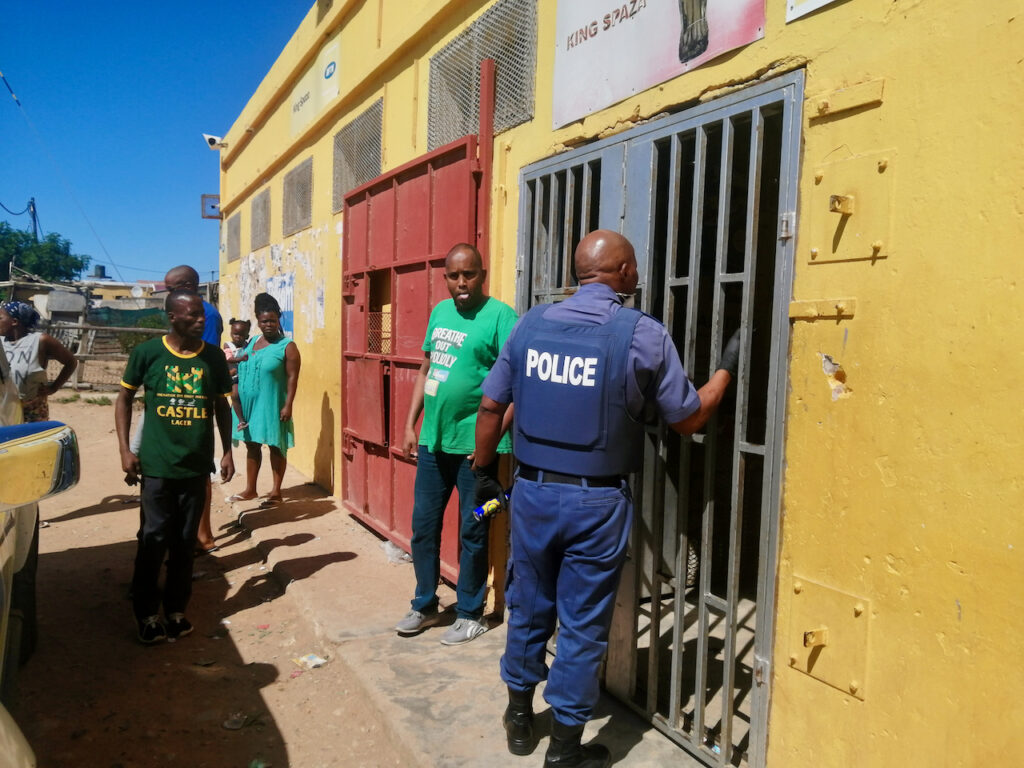
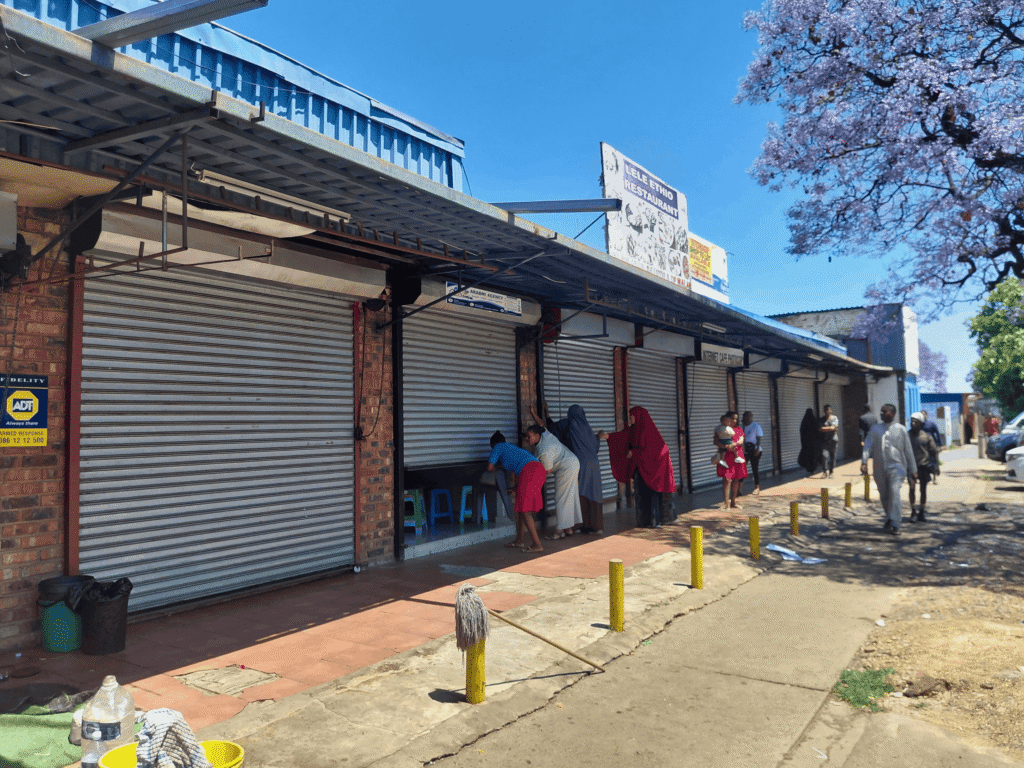
South Africa’s anti-immigrant protests have left more than 400 township shops closed in KwaZulu-Natal, disrupting supply chains and hurting major local manufacturers in a growing economic fallout that extends beyond the foreign entrepreneurs targeted by the demonstrations.
Food manufacturing giant Premier Group, which produces the popular Blue Ribbon bread brand, says the closures linked to protests by the March and March movement have significantly affected its distribution network and reduced sales in the province.
Presenting the company’s interim financial results on Tuesday, chief executive Kobus Gertenbach said hundreds of spaza shops remained closed following the unrest.
“Our estimate is that in excess of 400 spaza shops in the KZN market in particular have remained closed,” Gertenbach said.
The closures highlight the importance of migrant-operated businesses to South Africa’s informal economy, where township retailers provide essential goods and serve as distribution outlets for major manufacturers.
Although Premier Group has not disclosed the nationalities of the affected shop owners, the developments have implications for Zimbabwean entrepreneurs and other foreign nationals operating small businesses in South Africa.
Prolonged closures threaten livelihoods, disrupt supply relationships and make it difficult for traders with limited capital to resume operations.
According to Premier Group, more than 70 percent of its bread volumes are distributed through informal trading channels, making spaza shops a critical link between manufacturers and consumers.
Gertenbach acknowledged that the protests had reduced sales volumes in affected communities.
“What it did do was cut down a lot on sales volumes in that core market,” he said.
The company has not quantified the financial losses directly attributable to the protests. Despite the disruption, Premier Group reported a 38.8 percent increase in group revenue to R14.3 billion for the six months ended September 2026, largely reflecting its acquisition of RFG Holdings.
Uncertainty remains over whether affected foreign entrepreneurs will reopen their businesses, with some potentially having left South Africa while others wait for tensions to ease.
The unrest has also prompted government intervention, with President Cyril Ramaphosa authorising the deployment of 510 soldiers to KwaZulu-Natal to support police operations against anti-migrant violence.
The March and March movement has campaigned for tougher immigration enforcement and greater protection of economic opportunities for South African citizens amid persistent unemployment and growing tensions over foreign participation in township businesses.
Premier Group has indicated that it is prepared to assist affected shop owners by providing free stock to help them rebuild working capital when they resume trading.
The company previously extended similar assistance to businesses affected by the July 2021 KwaZulu-Natal unrest and subsequent flooding.