By Tichaona Katsvamutima
Tanzania has turned to Zimbabwe for lessons on financing its national HIV response, as declining international donor support threatens decades of progress against the epidemic and forces African governments to explore sustainable domestic funding mechanisms.
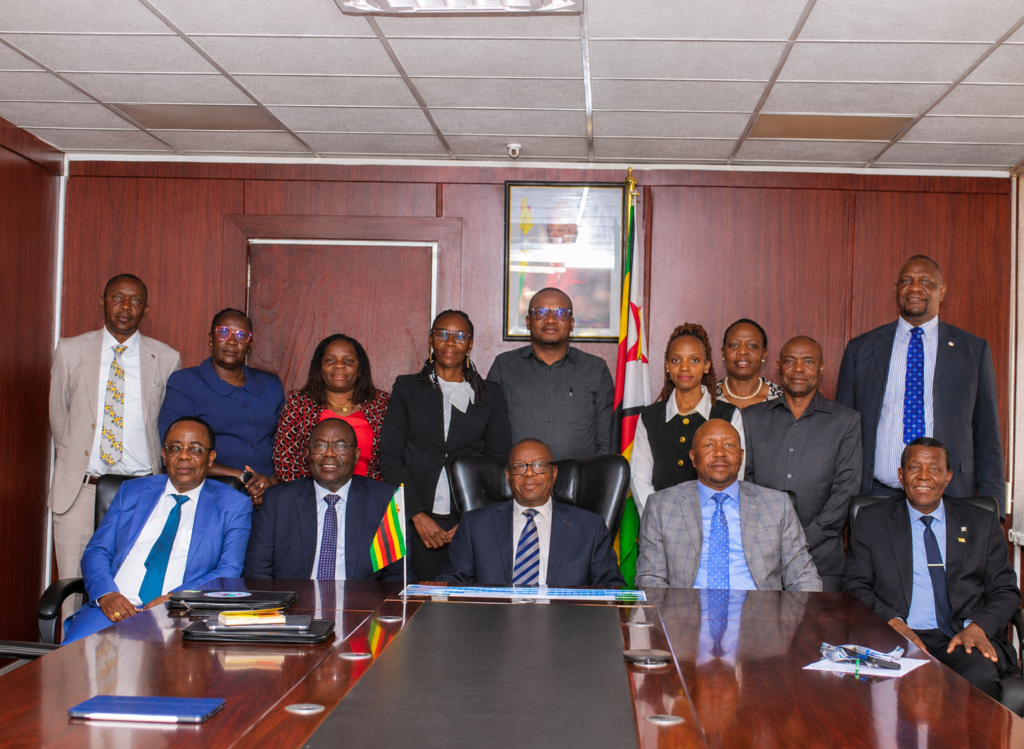
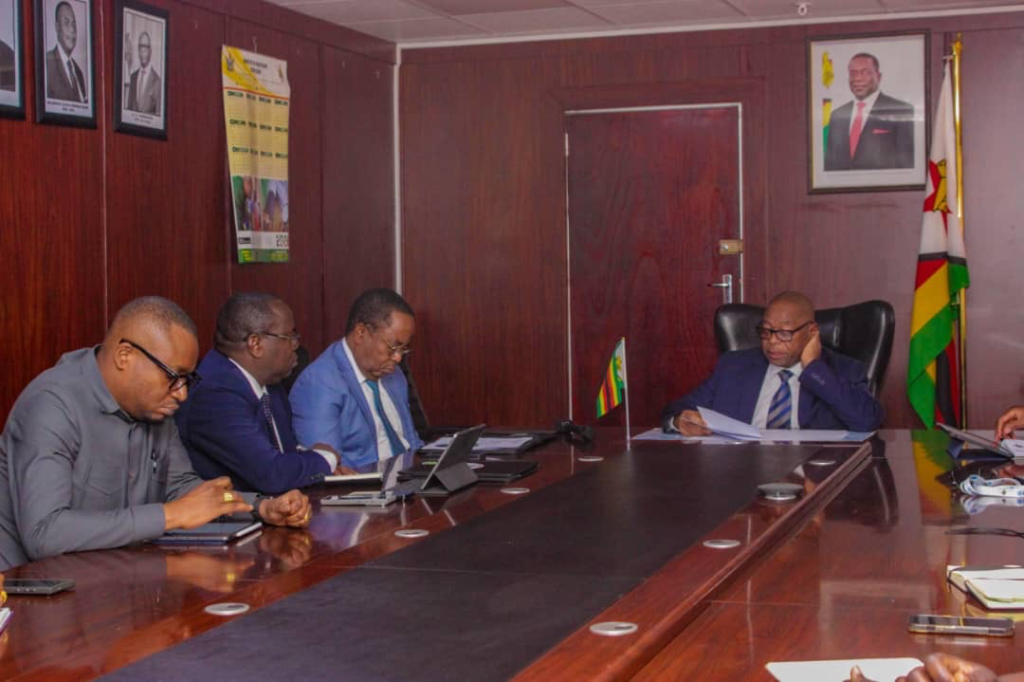
A high-level delegation from Tanzania’s AIDS Trust Fund is in Zimbabwe for a week-long benchmarking visit to study the country’s National AIDS Trust Fund, commonly known as the AIDS Levy, which has supported HIV prevention, treatment and care programmes for more than two decades.
The visit comes amid growing concerns over the sustainability of HIV programmes across sub-Saharan Africa, where international assistance has historically played a significant role in financing antiretroviral treatment, prevention services and community-based interventions.
Zimbabwe introduced its AIDS Levy in 1999 through a 3% surcharge on qualifying individual and corporate income tax liabilities, creating a dedicated domestic funding mechanism to complement international assistance.
Welcoming the Tanzanian delegation, Zimbabwe’s Minister of Health and Child Care, Dr Douglas Mombeshora, stressed the importance of African governments assuming greater responsibility for financing essential healthcare services.
“Zimbabwe recognises that a sustainable HIV response must be anchored in national ownership, predictable domestic financing, strong institutions and effective partnerships,” Mombeshora said.
“We view domestic financing not as a replacement for partnerships, but as an important foundation for national ownership and long-term programme sustainability.”
Under Zimbabwe’s AIDS Levy funding framework, 50% of resources are allocated to treatment, care and patient support, while 12% goes towards HIV prevention interventions.
The remaining 38% supports logistics, monitoring and evaluation, programme implementation and multisectoral coordination.
To strengthen accountability, Zimbabwe uses National AIDS Spending Assessments, annual health-sector resource mapping and the government’s Integrated Results-Based Management framework to monitor expenditure and programme performance.
“Our guiding principle is that we must account not only for the resources spent, but also for the results achieved,” Mombeshora said.
National AIDS Council (NAC) Chief Executive Officer Dr Bernard Madzima described Tanzania’s visit as recognition of Zimbabwe’s experience in developing domestic financing mechanisms for HIV programmes.
“NAC is humbled to know that regional peers are willing to learn from our experiences over the past two decades. It only means that Zimbabwe has done something commendable, as colleagues from other sister countries and agencies are coming to learn from us. It’s a humbling experience,” said Madzima.
Madzima also acknowledged the importance of mutual learning, with Zimbabwe seeking to understand Tanzania’s experience in managing its HIV epidemic.
Tanzania, with a population of approximately 70 million people, has an estimated 1.6 million people living with HIV and a reported prevalence rate of 4.5%.
Despite progress in expanding HIV services, the country continues to face challenges in sustaining treatment coverage, preventing new infections and securing adequate financing for its national response.
Leading the Tanzanian delegation, AIDS Trust Fund Board Chairperson Sabasaba Mwoshingi said declining donor assistance had increased the urgency for African countries to identify alternative sources of healthcare financing.
“We chose Zimbabwe because, since the pandemic hit the Global South, donor support has been declining, creating an urgent need for institutions mandated to sustain the response to explore alternative sources of financing, including domestic resources and private-sector partnerships.
“It is therefore important for countries to learn from those that have already established successful models of domestic resource mobilisation. Zimbabwe has made significant progress in this area, and we believe there are valuable lessons we can take home and adapt to our own context,” Mwoshingi said.
The Tanzanian delegation is particularly interested in how Zimbabwe mobilises resources through its tax system, administers the AIDS Levy and coordinates funding across sectors involved in the national HIV response.
The funding challenges confronting African countries have raised concerns about their ability to maintain uninterrupted access to antiretroviral medicines, laboratory services, HIV testing and prevention programmes.
Interruptions to HIV treatment can result in viral rebound, increased illness and a greater risk of transmission, highlighting the importance of predictable financing and reliable medicine procurement systems.
Tanzania’s visit follows a similar benchmarking mission by a Ugandan parliamentary delegation led by the Chairperson of Uganda’s Parliamentary Committee on HIV/AIDS and Related Matters, Stephen Kisa.
Facing a US$78 million financing gap in its national HIV response, the Ugandan delegation visited Zimbabwe to examine the AIDS Levy and explore community-led monitoring initiatives, including the Kutabila Platform.
Ugandan lawmakers expressed interest in adapting aspects of Zimbabwe’s legislative and financing framework to strengthen their country’s domestic HIV funding arrangements.