By Mbekezeli Ncube
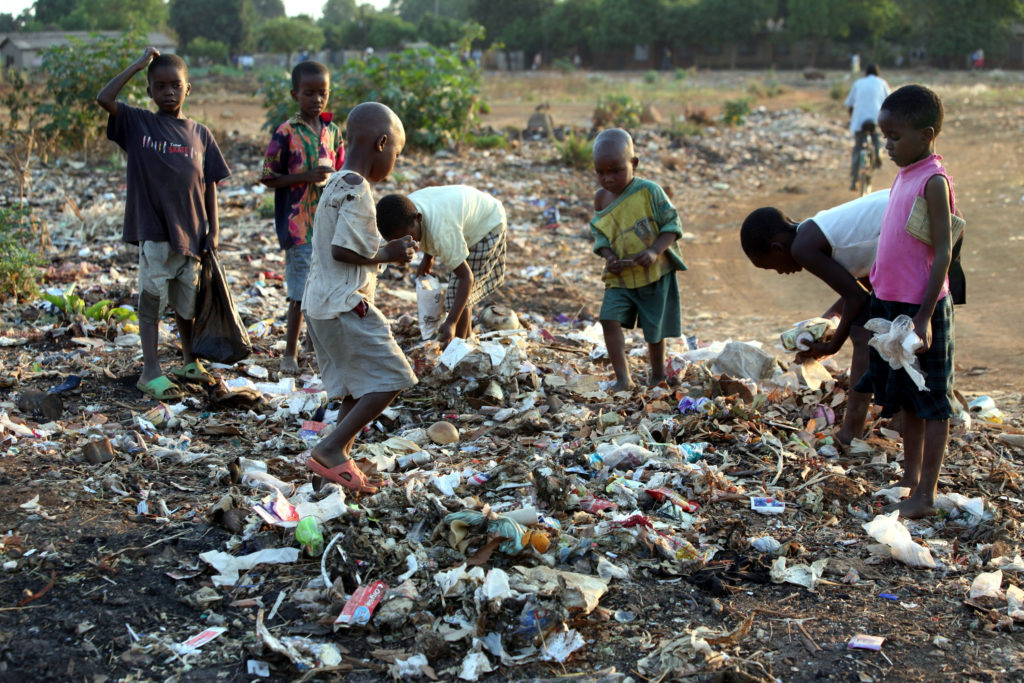
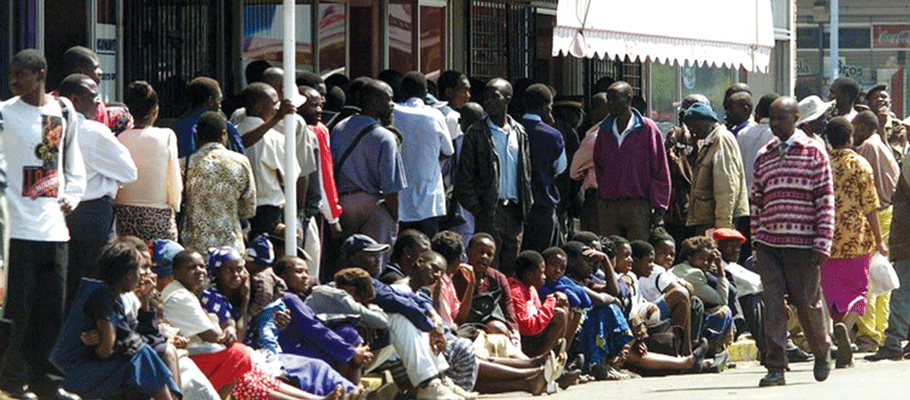
BULAWAYO-The Ministry of Public Service, Labour and Social Welfare has identified youth unemployment, food insecurity, drug and substance abuse and the growing informalisation of the economy among the key challenges requiring attention as it reviews its priorities for the 2027 budget year.
Public Service, Labour and Social Welfare Minister Edgar Moyo said the challenges were placing pressure on the country’s social protection systems, calling for more effective interventions to address the needs of vulnerable communities.
Speaking during the official opening of the ministry’s ongoing Strategic Plan Review Workshop in Bulawayo, Moyo acknowledged the need to address implementation weaknesses and ensure that planned programmes deliver measurable results. The workshop runs until November 6.
“The time for complacency is over; we must intensify our efforts, strengthen implementation, and ensure that our commitments translate into tangible and measurable results,” he said.
Moyo also raised concerns over the country’s preparedness for the anticipated El Niño-induced drought, warning of its potential impact on household food security, livelihoods and vulnerable communities.
He said the Ministry needed to strengthen systems for identifying at-risk households and ensuring that assistance reaches them before their circumstances deteriorate.
“Our approach must shift from reactive crisis response towards anticipatory action and resilience-building, ensuring that assistance reaches those who need it most before their circumstances deteriorate,” said Moyo.
The minister acknowledged that declining traditional donor support was creating challenges for programme implementation, calling for greater mobilisation of domestic resources and increased private-sector participation.
On employment, Moyo identified the operationalisation of the Labour Market Information System (LMIS) as a priority amid persistent concerns over unemployment, particularly among young people.
He said the system should help bridge the gap between skills development programmes and the actual needs of employers and the wider economy.
“This intelligence is essential for aligning education and training programmes with industry needs, strengthening career guidance, improving job matching and informing targeted interventions to address unemployment, particularly among young people,” he said.
Moyo also highlighted the need to strengthen labour administration, improve the resolution of workplace disputes and ensure compliance with labour standards, while expanding access to disability support, child protection and social assistance.
He said addressing institutional weaknesses through improved performance management and accountability would also be critical to the implementation of the Ministry’s programmes.
Moyo challenged officials attending the workshop to openly confront shortcomings in the Ministry’s operations and come up with practical solutions.
“Let us be bold in our discussions. Let us be honest about our weaknesses. Let us be innovative in our proposals. And above all, let us commit to implementing what we agree here,” said Moyo.
The workshop is expected to assess the ministry’s performance and shape its strategic priorities for the 2027 budget year.