By Tichaona Katsvamutima
South African police have secured a temporary court order restricting protests by the anti-immigration movement March and March in Durban, following allegations of violence, intimidation and threats to burn down a refugee reception centre.
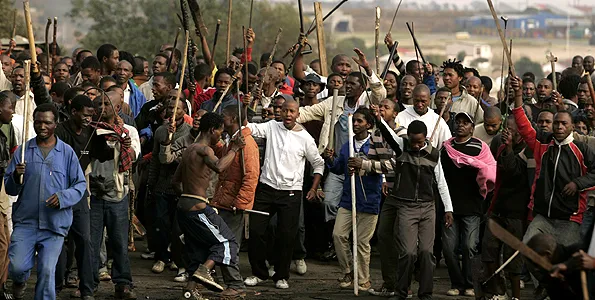
Acting Police Minister Firoz Cachalia obtained the interim interdict in eThekwini after police raised concerns over further demonstrations, citing assaults, property damage and the forced closure of businesses during previous protests.
Police also reported that a foreign national had died during unrest in Durban’s central business district, while warning of a threat to set fire to the Refugee Reception Centre in Berea.
The interim interdict remains in force until Friday, when the court is expected to consider whether the restrictions should be made permanent.
March and March has campaigned for tougher immigration controls and action against undocumented foreign nationals, amid growing tensions over unemployment, competition for jobs and access to public services in South Africa.
However, violence associated with anti-immigration demonstrations have raised concerns about the safety of migrants and asylum seekers.
South Africa’s Constitution guarantees the right to peaceful and unarmed demonstrations, but does not protect violence, intimidation or destruction of property.
The developments come against a backdrop of continued uncertainty for Zimbabwean and other African migrants living in South Africa, where anti-foreign-national campaigns have heightened fears of harassment and displacement.
Zimbabwean government figures show that 155,264 nationals returned through Beitbridge from South Africa by August 16, 2026, although the number who returned specifically because of anti-migrant hostility remains unclear.
Humanitarian organisations have warned that displacement can leave migrant families facing economic hardship, disrupted education and difficulties accessing healthcare, particularly children born and raised in South Africa who have little familiarity with Zimbabwe.
The court proceedings are expected to draw attention to the balance between protecting the right to peaceful protest and ensuring the safety of foreign nationals, businesses and public facilities.