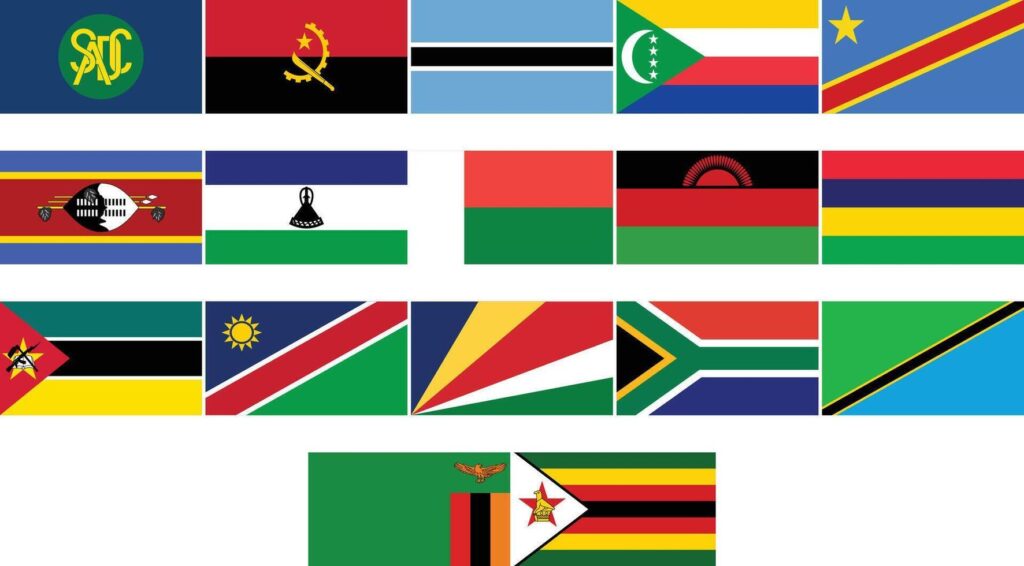
By Tichaona Katsvamutima
Southern African Development Community (SADC) Chairperson and South African President Cyril Ramaphosa has challenged the regional bloc to move beyond political declarations and deliver tangible economic benefits to its citizens, warning that regional integration must translate into jobs, increased trade and improved infrastructure.
Addressing a virtual Extraordinary SADC Summit on Wednesday, Ramaphosa called for stronger regional institutions capable of implementing agreements and accelerating industrialisation, investment and economic development.
“We need an organisation that moves with greater urgency from agreements to implementation, from strategies to programmes, and from commitments to measurable results,” Ramaphosa said.
His remarks highlighted the challenges facing SADC in translating regional integration commitments into economic opportunities for millions of Southern Africans.
The SADC Chairperson said the success of regional integration should be measured by improvements in people’s daily lives rather than the adoption of policies and declarations.
“Our citizens need to feel the benefit of regional integration in their daily lives,” he said.
“They must see these benefits in the availability of employment opportunities, in improved transport and energy networks, in greater food security, in increased trade and in growing economic opportunity.”
“Regional integration should be more than a mere aspiration expressed in declarations. It must become a reality for the people living in Southern Africa.”
He stressed that the region’s long-term prosperity depended on expanding productive capacity, creating employment and strengthening economic cooperation.
At the 46th Ordinary SADC Summit held in Durban in August, regional leaders reaffirmed commitments to accelerating industrialisation, developing infrastructure, transforming agriculture and harnessing mineral resources to drive economic growth.
However, Ramaphosa emphasised that achieving these objectives required efficient institutions capable of implementing regional programmes.
“The strength of our regional organisation ultimately depends not only on the decisions we make but also on the ability of our institutions to implement them,” he said.
The Extraordinary Summit was convened primarily to resolve outstanding institutional and leadership matters, including the appointment of a Deputy Executive Secretary responsible for Regional Integration.
Ramaphosa said the position was central to transforming SADC’s economic ambitions into practical development outcomes.
“The Deputy Executive Secretary for Regional Integration plays an important role in translating our collective aspirations into tangible development results,” he said.
He called for a stronger and more responsive SADC Secretariat to coordinate industrial development, cross-border infrastructure projects, trade and investment programmes, and regional value chains.
“As we push to accelerate regional industrialisation, build cross-border infrastructure, promote trade and investment and strengthen regional value chains, we need a Secretariat that is well-equipped, efficient and responsive,” Ramaphosa said.
Deeper economic integration could expand export markets, strengthen regional supply chains and attract investment into manufacturing, agriculture and infrastructure.
However, realising these opportunities will depend on effective implementation of regional agreements and sustained cooperation among member states.
Ramaphosa said leadership decisions taken at the summit must strengthen SADC’s capacity to implement its Regional Indicative Strategic Development Plan 2020–2030 and long-term Vision 2050.
The summit’s focus on institutional leadership places renewed attention on SADC’s ability to turn its regional development agenda into practical programmes, particularly in industrialisation, infrastructure and cross-border trade.