By Gabriel Manyati
In Goromonzi district, east of Harare, Mary Nyadome sets out early. The walk for water that once took minutes now stretches up to two kilometres. Local wells and rivers have run lower since lithium operations intensified.
“The water shortage has become a permanent problem. Mining companies use a large amount of water for their activities. Even the rivers are drying up, which makes the simplest laundry very difficult,” she says.
Nearby, Darlington Mutakura rises at five in the morning to help with the same task. Before the mines, his wife managed the water alone from nearby sources. Now both carry heavier containers farther afield. Their daily rhythm has shifted around scarcity.
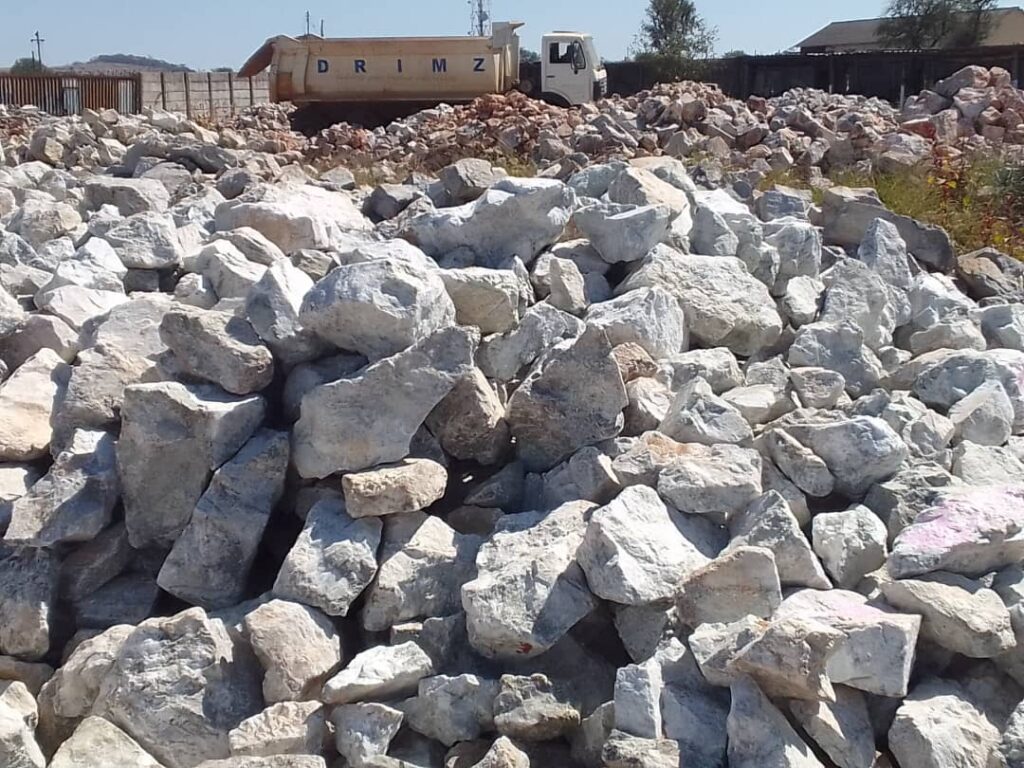
These household adjustments sit at the centre of Zimbabwe’s lithium story. The mineral is promoted as a pillar of economic recovery and a contribution to the global shift toward electric vehicles and renewable storage. Yet in communities such as Goromonzi, the extraction that feeds that transition is reshaping water access, farming and the unpaid work that keeps households running.
Lithium has risen rapidly in Zimbabwe’s mineral exports. In 2025 the country shipped more than 1.5 million metric tonnes of lithium products, generating US$571.6 million according to the Minerals Marketing Corporation of Zimbabwe.
Early 2026 figures showed further gains, with lithium contributing hundreds of millions of dollars in the first half of the year alone.
Chinese firms have driven much of the expansion, investing well over a US$1 billion since 2021 in projects including Arcadia in Goromonzi (Prospect Lithium Zimbabwe, part of Zhejiang Huayou Cobalt), Bikita Minerals (Sinomine) and others.
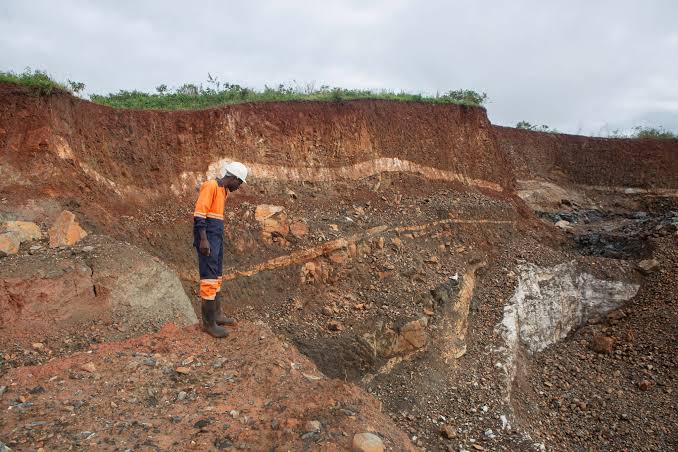
The government argues that lithium diversifies earnings away from traditional minerals and can support industrialisation. A ban on raw ore exports has been in place since 2022. Concentrate exports face quotas and a planned full ban from January 2027, intended to force local processing into lithium sulphate and eventually higher-value chemicals. Plants are under construction or already operating, including a major sulphate facility at Arcadia. Officials present these steps as the route to more jobs, retained value and participation in battery supply chains.
For many households the foreign-currency inflows remain distant. Rising mineral revenues have not automatically translated into reliable electricity, affordable food or improved local services. In mining districts the more immediate changes are felt on the ground.
Water stands out. Lithium processing is water-intensive. Residents and local monitors in Goromonzi report that community dams such as Nero, Chinyika and Glenock have declined, affecting small-scale irrigation and market gardening that once provided income, especially for women. Groundwater levels have fallen in some areas as mines drill deeper boreholes. Dust from haul trucks coats crops and homes.
In other lithium districts, including Buhera and Bikita, communities have described similar pressures: loss of grazing land, blocked access routes, and in some cases relocation with contested compensation. The Environmental Management Agency has on several occasions ordered temporary shutdowns of operations in Goromonzi for lacking proper environmental impact assessments.
Companies respond that they comply with regulations, create employment and support community projects such as roads, clinics or skills programmes. Independent assessments and civil-society reports continue to document gaps between promises and delivery.
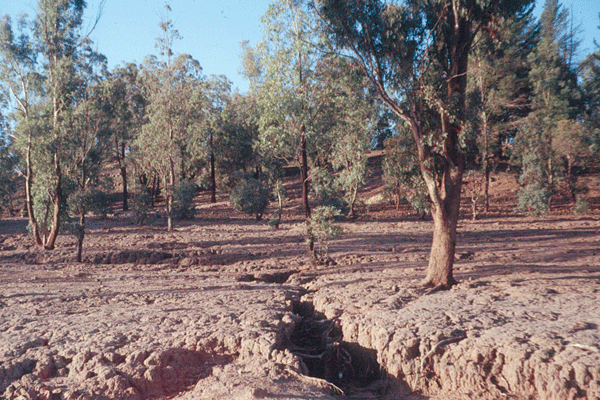
The extra labour falls heavily on women. When water points dry or become distant, the time required to collect it expands. Agricultural plots disrupted by dust or reduced water mean more effort to secure food or alternative income. Care for children and the elderly continues regardless. Jobs at the mines themselves remain limited and often skewed towards men in technical or haulage roles. Women are more frequently found in lower-paid or informal work, or excluded entirely.
Some community accounts link the influx of male workers to rises in transactional sex and sexually transmitted infections. The result is a quiet transfer of cost: the green mineral that powers distant battery factories increases the unpaid domestic burden at the point of extraction.
Who captures the benefits remains contested. Mining companies point to payrolls, local procurement and corporate social responsibility spending. Government highlights royalties, taxes and the broader forex contribution. Communities ask why schools, clinics and water systems show uneven improvement relative to the scale of extraction.
Transparency around licence awards, revenue flows and community development agreements is limited. Artisanal miners who first worked some claims were later displaced as larger formal operations took over. Meaningful participation in decisions about land and water is rare.
The push toward beneficiation adds another layer. Processing concentrates into sulphate or further products could retain more value and create skilled employment. Yet it also intensifies demand for electricity, water and infrastructure that are already stretched.
Power shortages have forced some operations toward self-generation, sometimes with thermal sources, an irony for a mineral tied to decarbonisation. Skills, technology and reliable logistics remain constraints. Beneficiation may enlarge the industry without automatically resolving the distribution of costs and benefits at community level.
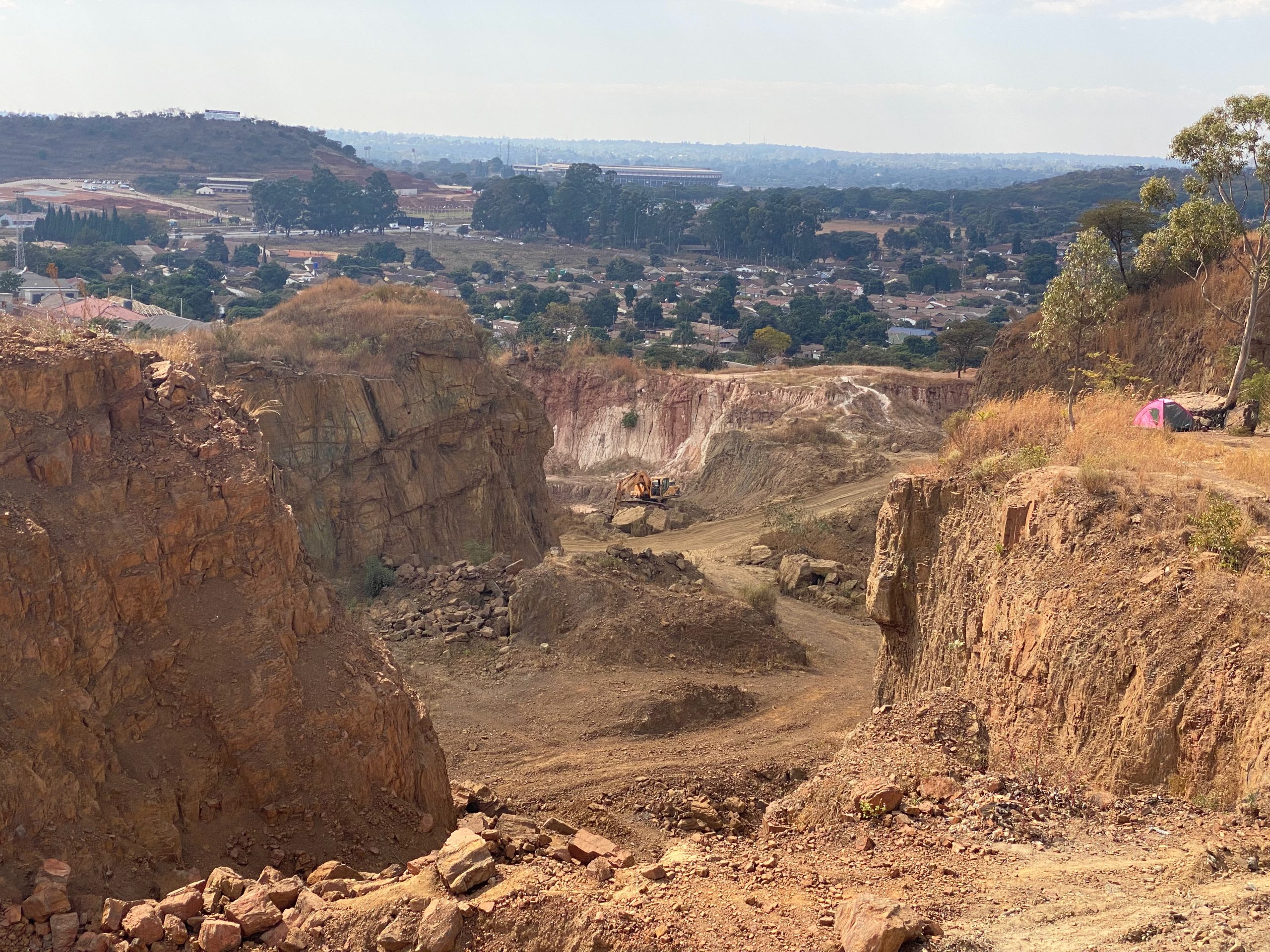
Globally, lithium is framed as essential to the energy transition. The question that follows from Goromonzi and similar districts is whether that transition can be considered sustainable when the communities supplying the raw material absorb disproportionate pressure on water, land and labour. Responsible supply-chain standards are discussed in international forums; their practical enforcement in places like rural Zimbabwe is still being tested.
Officials maintain that lithium will deliver industrialisation and shared prosperity if processing advances and regulations are observed. Mining companies stress compliance and community investment. Residents continue to measure progress by whether water returns to nearby sources, whether gardens recover, and whether the extra hours of unpaid work diminish.
Mary Nyadome’s longer walk for water and Darlington Mutakura’s earlier mornings illustrate the immediate ledger. Export figures and processing plants record one side of the boom. The other side is recorded in depleted dams, dust-covered crops and the redistribution of household labour.
A lithium boom that raises national earnings while increasing the daily effort required to secure water and livelihoods tests whether mineral wealth can be converted into broadly shared prosperity, or whether the hidden costs continue to settle on those least positioned to carry them.