.By a Correspondent
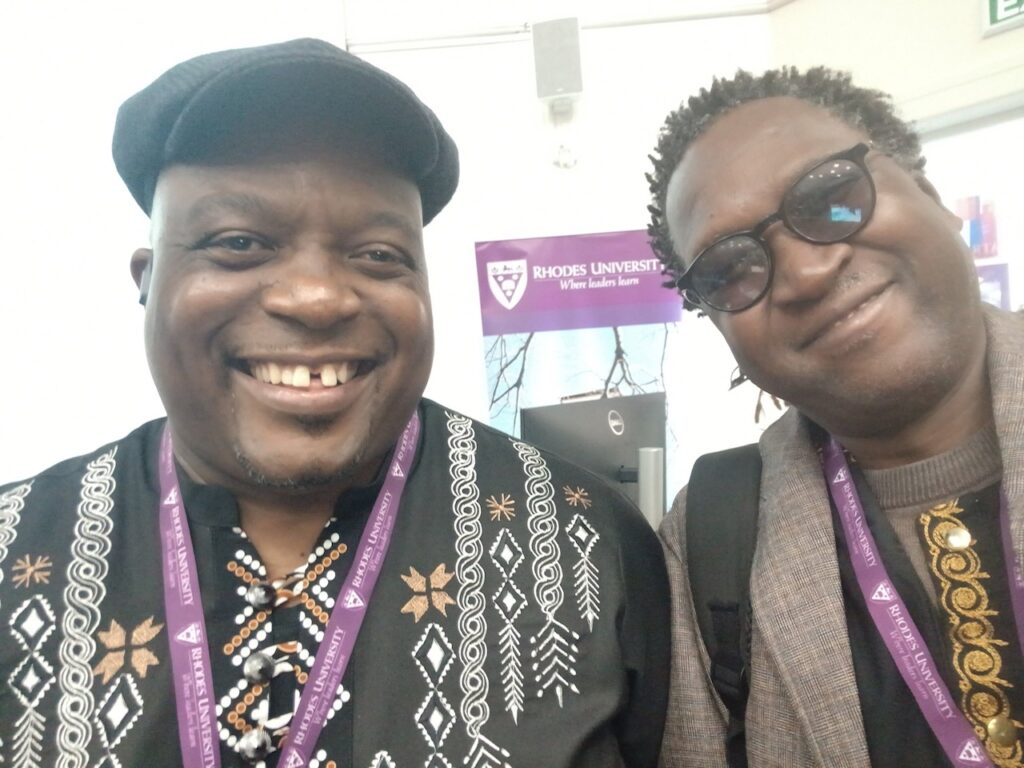
Human rights lawyer and political analyst Brian Kagoro (pictured) has called for a revival of intellectual leadership in Africa, warning that the continent’s political landscape has increasingly been characterised by populism, ethnic mobilisation and what he described as the “de-intellectualisation” of politics.
Speaking at the Samora@40 Dinner Gala commemorating four decades since the death of Mozambican liberation icon and founding President Samora Machel, Kagoro said Africa’s transformation depends on developing a new generation of politically conscious and intellectually grounded leaders.
Kagoro, an executive with the Open Society Foundations, participated as a prominent speaker at the “Aluta Continua: Samora Machel, Liberation Movements and the Unfinished Decolonial Project” symposium held at Rhodes University in Makhanda.
Drawing on the ideas of Italian political theorist Antonio Gramsci, Kagoro argued that meaningful social change requires more than political power.
“It’s not merely an ethical preference. It is a structural necessity for counter-hegemonic transformation,” he said during the Samora Machel@40 Symposium held at Rhodes University, which reflected on the legacy and enduring influence of the late Mozambican liberation leader, Samora Machel.
Kagoro noted that Gramsci taught that hegemony is secured not only through force but through consent, which is often shaped by what he termed “organic intellectuals” — individuals who help their communities understand their role in economic, social and political life.
“Until Samora becomes engraved in you. Samora said the purpose of education is to create a new man or a new woman,” he said.
He challenged young Africans to embrace intellectual engagement and reject the notion that solutions to the continent’s challenges would come from outside Africa.
“Africa is not going to find another Italian organic intellectual to liberate herself,” Kagoro said.
The veteran activist also criticised what he described as a growing trend of anti-intellectualism in politics across southern Africa.
“Progressively since 1994, and I’m addressing specifically South Africans; since 1980, I’m addressing specifically Zimbabweans; since 1975, I’m addressing my colleagues from Mozambique, what we have witnessed is, under the pretext of being close to the people, a de-intellectualisation of leadership, a de-intellectualisation of politics, and a vulgarisation of engagement into a populist politics that appeals to people’s emotions using lies and claiming easy victories,” he said.
Kagoro further warned against the dangers of ethnic-based political mobilisation, arguing that economic and social realities affect citizens regardless of their ethnic backgrounds.
“The challenge we face today is to realise as a generation of young people that if you mobilise purely on the basis of ethnic identity, you will miss 90 percent of your life,” he said.
“There is no shop you go to in this lovely South Africa where the price of bread for Zulus or the price of bread for Basotho or the price for others is lower or higher because of their ethnic origin.”
He said Africa’s future depends on building movements grounded in ideas, education and shared socio-economic interests rather than ethnic divisions, urging young people to draw inspiration from Samora Machel’s legacy of political consciousness and liberation.