By a Correspondent
Democratic Republic of Congo (DRC) President Félix Tshisekedi (pictured) will not attend the 46th Southern African Development Community (SADC) Summit in Durban, South Africa, with reports linking his absence to the worsening security situation in the east of the country, as well as the rapidly expanding Ebola outbreak.
The summit is scheduled for Monday, August 17, at the Durban International Convention Centre.
The DRC is being represented by Vice-Prime Minister and Minister of Defence Guy Kabombo Muadiamvita, who is leading the Congolese delegation at the summit.
The delegation also includes Thérèse Kayikwamba Wagner, Minister of State for Foreign Affairs, International Cooperation, Francophonie and Congolese Abroad, as well as Floribert Anzuluni, Minister of Regional Integration, who participated in the preparatory SADC meetings.
Kabombo has already used the summit’s security meetings to present Kinshasa’s position on the conflict in eastern DRC, calling for stronger regional action on the security crisis and reiterating the DRC government’s commitment to ongoing peace processes.
However, given the dynamics of power and decision-making in Kinshasa, Tshisekedi’s absence is a setback for SADC’s diplomatic efforts to find a peaceful solution to the crisis.
SADC is pursuing diplomatic avenues to end the conflict. after the withdrawal of its military intervention in 2025.
The Southern African Development Community Mission in the DRC (SAMIDRC) comprising forces from South Africa, Malawi, and Tanzania was deployed in December 2023 but its mandate was terminated in March 2025 following heavy casualties, logistical constraints and strategic advances by M23 rebel group.
Reports from Durban indicate that Tshisekedi cited security challenges in his country for withdrawing from the summit, amid renewed concerns over the possibility of further military escalation by Kinshasa against the AFC/M23 rebels, who controls North and South Kivu territories.
There are also reports suggesting that Tshisekedi is mobilising to launch an offensive against the rebels despite ongoing peace initiatives in Washington and Doha.
The Congolese military has relied on a range of armed formations in its fight against the AFC/M23 group in the east, including forces from Burundi, foreign mercenaries and the UN-sanctioned FDLR, an armed group with roots among perpetrators of the 1994 genocide against the Tutsi in Rwanda.
Any major offensive by the Congolese military and its allied forces could further complicate ongoing diplomatic efforts aimed at securing a ceasefire and a lasting political settlement.
The DRC and Rwanda signed a peace agreement in Washington in June 2025, while the Congolese government and AFC/M23 have been engaged in a parallel Doha-mediated process.
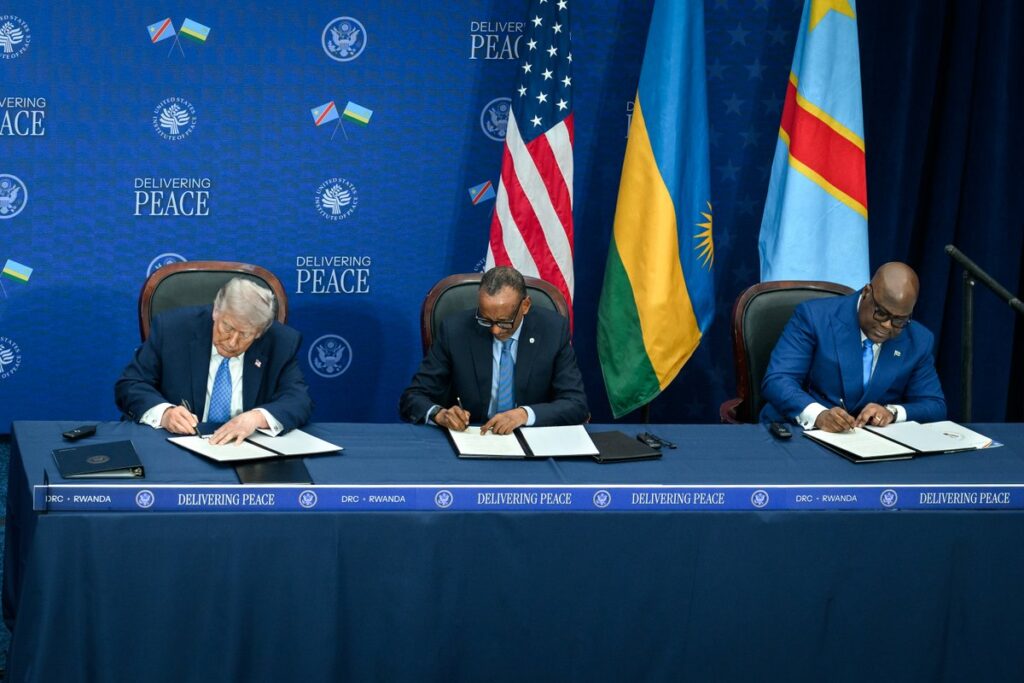
International mediators have repeatedly called on the parties to respect ceasefire commitments and pursue a political solution to the conflict.
Ebola adds to pressure
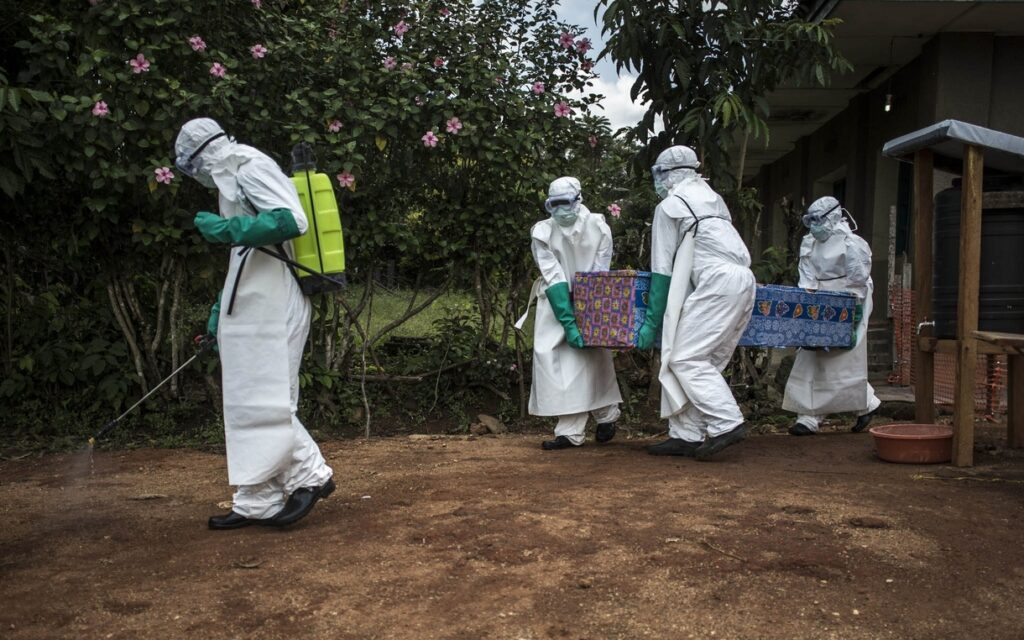
Reports from Durban suggest that Tshisekedi’s decision to pull out of the SADC Summit also comes as his country battles one of its most serious Ebola outbreaks in recent history.
The outbreak, caused by the Bundibugyo virus, was declared in May 2026 and has spread across several provinces. The World Health Organisation said that, as of July 15, the DRC had recorded 2,124 confirmed cases and 828 confirmed deaths.
More recent reports indicate that the outbreak has continued to expand, with more than 2,000 deaths reportedly recorded by August.
The health emergency has been compounded by insecurity, weak infrastructure, population movements and difficulties in accessing affected communities.
The outbreak has also affected areas already struggling with conflict and displacement, creating an additional challenge for the Congolese government and humanitarian agencies.
The WHO has described the situation as particularly difficult because the outbreak is occurring against a backdrop of humanitarian crisis, insecurity and high population and trade movements.
Meanwhile, Comoros is absent from the Durban summit after reportedly falling behind on its financial obligations to SADC.
Reports indicate that the Indian Ocean island nation has outstanding membership contributions to the regional organisation and is therefore not participating in the summit.
The absence of Comoros adds another challenge for SADC as the regional bloc seeks to strengthen cooperation among its member states while addressing persistent political, security and economic challenges across the region.