By Gabriel Manyati
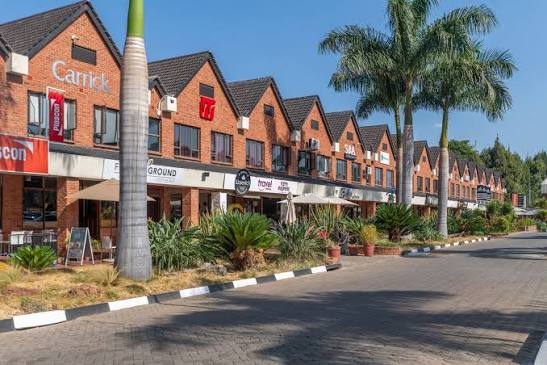
In the leafy suburb of Borrowdale, where cobbled lanes and clock towers still evoke an English market town, a bitter family battle is unfolding over one of Zimbabwe’s most recognisable commercial landmarks. Sam Levy’s Village, the retail heart of affluent Harare, has become the centre of a courtroom struggle between the late property tycoon’s four children.
Samuel Rahamin Levy, born in Kwekwe on 9 October 1929 to a Jewish family and educated at Prince Edward School in what was then Salisbury, built the complex that transformed Borrowdale into a destination for the city’s wealthy. He died on 5 June 2012 as one of the richest men in Zimbabwe, remembered as a self-made entrepreneur who once served as a councillor for Ward 8 in Waterfalls between 1975 and 1979.
Posthumous honours followed, including a lifetime achievement award and recognition by the United Nations EMPRETEC programme as one of the most influential entrepreneurs of post-independence Zimbabwe. He left behind his wife Gloria and four children, who are now locked in litigation.
This week the High Court dismissed an urgent application by Isaac Samuel Levy. He had sought the restoration of dividends and other payments from two companies founded by his father, Farmex (Private) Limited and Mutual Finance (Private) Limited.
Justice Benjamin Chikowero struck the matter from the roll and ordered Isaac to pay costs, ruling that the same relief was already being pursued in separate pending proceedings and did not justify urgent intervention. The decision turned strictly on procedure.
The broader action still before the court goes much further. Isaac is asking judges to declare a special power of attorney dated 30 November 2025 a forgery. He also wants an acknowledgement of debt for US$15 million set aside, claiming he signed it under economic and psychological duress. In addition, he seeks an order compelling the companies to pay remuneration and shareholder dividends he says have been withheld.
His sister Julia Naile Naome Aryeh and brothers Maurice Samuel Levy and Raymond Samuel Levy, together with the two companies, oppose every claim and insist the matters must follow the ordinary court process. None of the allegations has yet been tested. No finding has been made on the authenticity of the power of attorney, the circumstances surrounding the debt document, or whether any payments were improperly stopped.
The dispute comes after the family’s central asset was placed on the market. In June 2024 Sam Levy’s Village was listed for sale, a move that would have ended 34 years of family ownership. The outcome of that process has not been publicly reported. Farmex and Mutual Finance remain the private vehicles through which parts of the family’s interests are held. Neither publishes accounts, and the size of any disputed dividends has not been disclosed.

The case forms part of a wider pattern among Zimbabwean business families. Only months earlier Meikles Limited, the retail and hospitality group founded in 1894, endured its own public succession fight involving descendants of Thomas Meikle.
In both instances the underlying difficulty is the same. Assets built over decades are typically held through private companies that disclose nothing, with ownership arrangements recorded in documents seen only by the family. When the founder dies those papers become the sole record of what was agreed.
Isaac Levy’s main action returns to the High Court. No date has been set. For now, the village of cobbled streets and clock towers stands as both a commercial landmark and the prize in a family contest that shows no sign of quiet resolution.