By a Correspondent
Thousands of homeowners across Harare are facing an anxious wait as the City of Harare prepares to launch enforcement action against property owners who fail to regularise their stands by Tuesday, November 17, potentially exposing non-compliant residents to demolitions and prosecution.
In a public notice issued on Saturday, November 14, the local authority warned that the 14-day grace period granted to affected property owners on November 2 was nearing its expiry, leaving residents with little time to complete outstanding regularisation requirements.
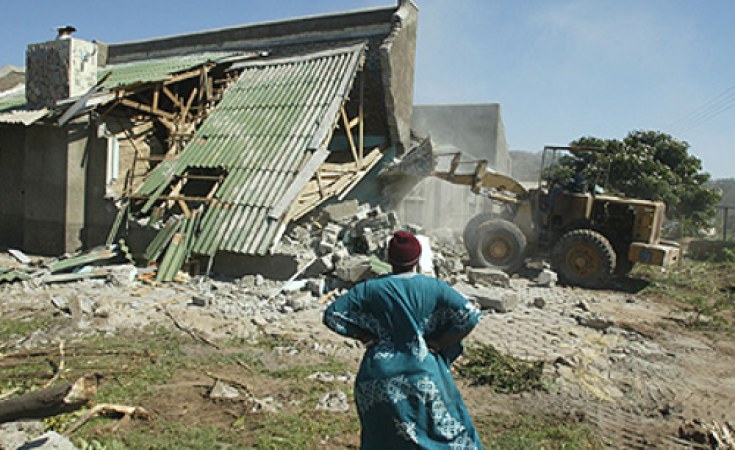
Council says enforcement will begin after the deadline, with those who fail to comply facing legal consequences and possible demolition of illegally constructed structures.
The crackdown targets people who settled on municipal, State and privately owned land within Harare before September 23, 2023, in areas identified for regularisation.
The latest warning follows an earlier notice issued on September 26, with council invoking Section 27 of the Regional, Town and Country Planning Act (Chapter 29:12) and the 1977 Model Building By-Laws as the legal basis for its enforcement measures.
For thousands of families who have invested their life savings in homes across the capital’s informal and irregular settlements, the looming deadline has triggered a desperate scramble to beat the clock.
Affected property owners have been instructed to complete outstanding documentation, submit building plans and settle the required intrinsic land values and penalty fees before the deadline.
Failure to meet these requirements could leave homeowners exposed to enforcement action.
The implications are particularly troubling for families who have spent years building homes in the hope that their properties would eventually receive official recognition.
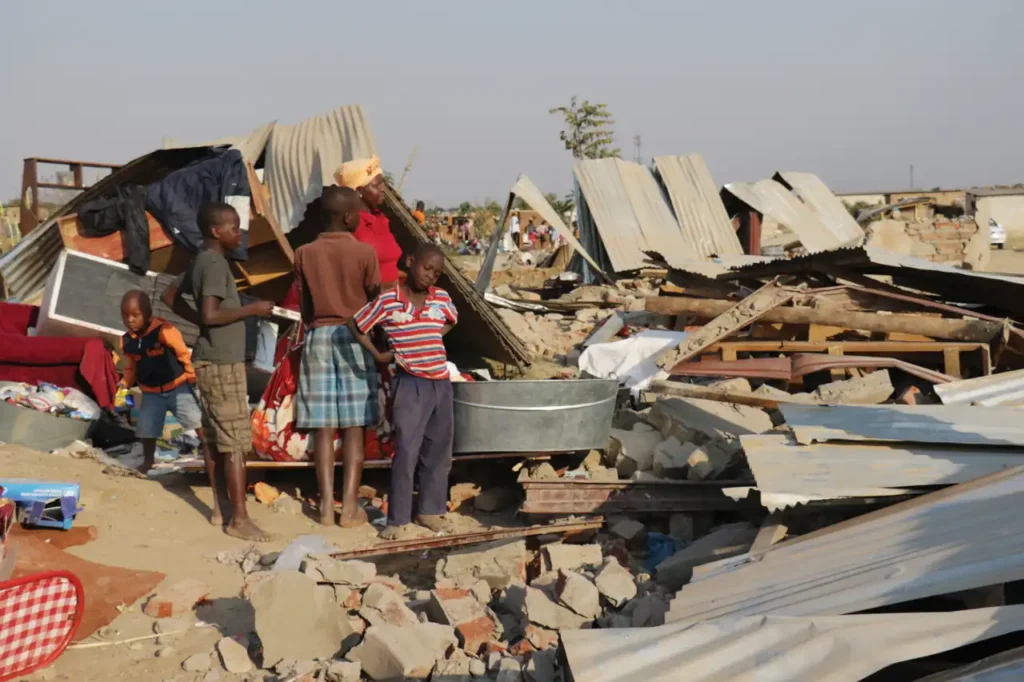
Previous demolitions in Harare have left families homeless, with some forced to salvage belongings from piles of rubble after their structures were destroyed. The possibility of another wave of demolitions has heightened panic and anxiety among residents in affected communities.