By Gabriel Manyati
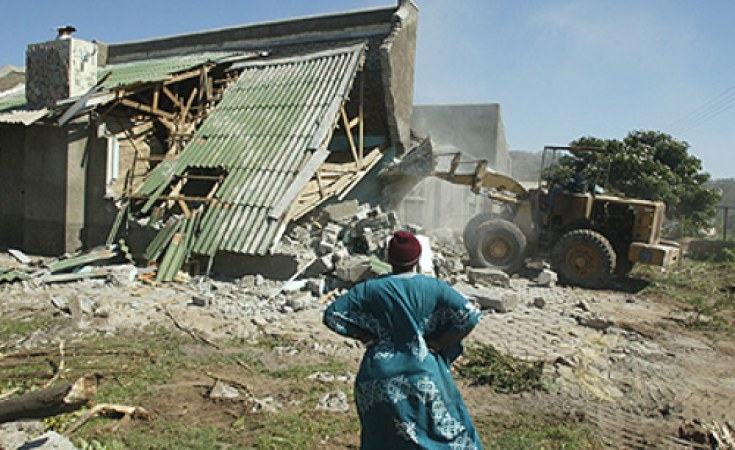
There is a singular, raw cruelty in watching a municipal bulldozer tear through the brick and mortar of a family home while the state suddenly pretends it has just discovered urban planning laws.
Across Harare and its sprawling satellite settlements, ordinary citizens are watching decades of quiet sacrifice, financial discipline and backbreaking labour reduced to pulverised dust. Zimbabwe’s house demolitions are not merely dry administrative disputes over building codes or illegal land grabs. They are a glaring symptom of a profound, systemic failure of governance, institutional accountability and public policy.
The core contradiction at the heart of this tragedy is as infuriating as it is impossible to defend. A government and its local authorities cannot preside over a broken land administration system, coddle politically connected land barons, collect rates and fees from desperate home seekers, and facilitate questionable land allocations, only to turn around years later, watch people pour their life savings into construction, and then send in the heavy machinery. The ordinary citizen should never be the sacrificial lamb for institutional incompetence, political patronage and unmitigated corruption.
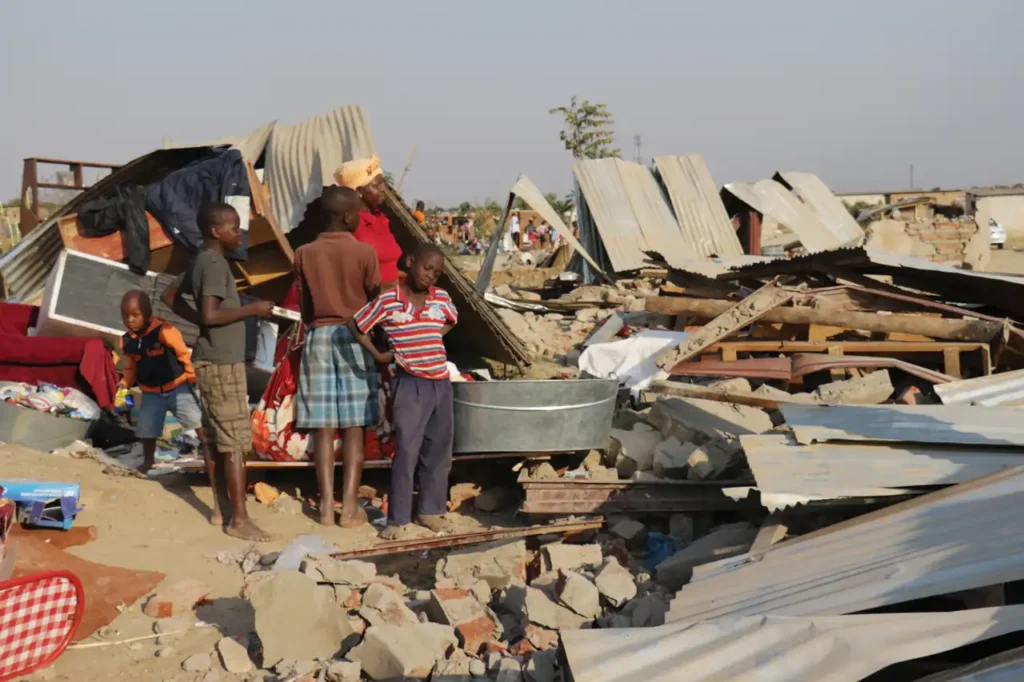
To grasp the white-hot anger coursing through urban communities this November 2026, you have to look at the spark that lit the fuse. The latest wave of destruction hit hardest in St Martins Extension, Harare, where sweeping demolitions on 14 August 2026 triggered nationwide outrage. An investigative report by Al Jazeera published on 10 November 2026 laid bare the sheer devastation experienced by families whose lifetimes of work were flattened in hours. It landed just as the political machinery was tying itself in knots over mixed messages. On 9 November 2026, word leaked of a government directive ordering local councils to halt demolitions and focus on regularising informal settlements.
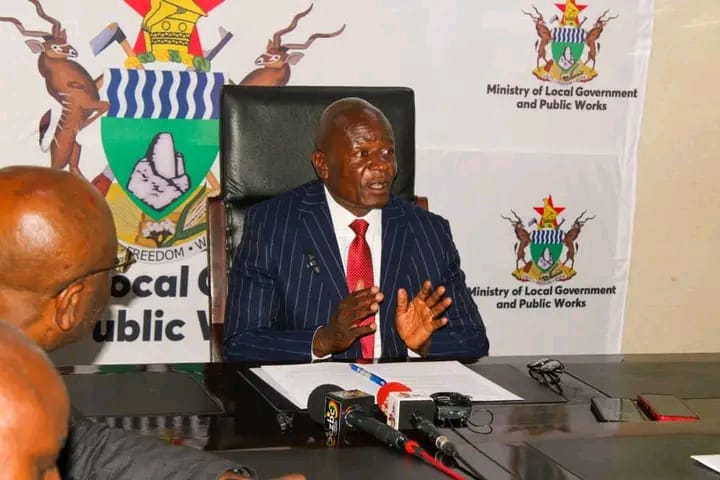
Yet within days, those promises rang hollow as bulldozers kept rolling into vulnerable neighbourhoods. To make matters worse, Local Government and Public Works Minister Daniel Garwe held a press conference on 12 November and claimed with a straight face that no government law actually authorises house demolitions, insisting the state is there to protect citizens. That breathtaking piece of rhetoric clashes brutally with reality on the ground. The Harare City Council is still sitting on roughly 5000 outstanding demolition orders backed by 37 High Court orders, while ordinary families scramble to meet impossible regularisation ultimatums. Central government and municipal authorities are pulling in opposite directions, leaving citizens caught in the crossfire.
The Human Toll of Administrative Cruelty
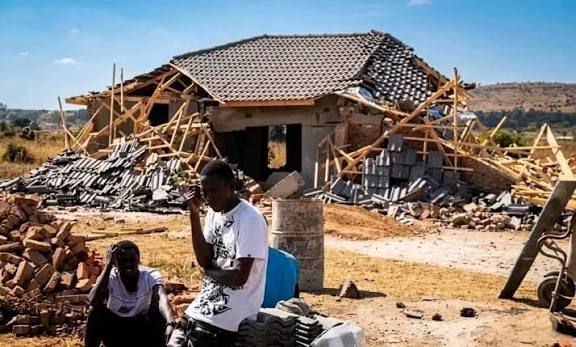
This crisis cannot be sanitised into a sterile academic seminar on town planning because it is a deeply intimate human catastrophe. Take Methro Masunga, a 28-year-old single mother of three whose home in St Martins Extension was reduced to rubble. For Methro, losing her roof means watching her children’s stability shatter overnight. Right beside her is Memory Chengeta, who stood helpless as her home was targeted despite an existing court order that should have kept the bulldozers at bay. Then there is Joachim Nhete, a pensioner who poured his entire retirement package into buying land and building a modest shelter, only to watch his golden years crushed by bureaucratic chaos.
In places like Budiriro, Epworth, Glen View, Mabvuku and Harare South, thousands of families are living this exact nightmare. These are people who paid hard currency to housing cooperatives, developers or council-linked schemes, secured official allocation letters, and spent years buying bricks one bag of cement at a time. In Zimbabwe, building a home is the ultimate shield against poverty and the only real guarantee of a secure future for your children. Violent demolition is not just destruction of property; it is profound psychological and economic violence. Elderly pensioners, single parents and young children are being thrown out into the open elements to pay for sins they never committed.
How on earth did a country aspiring to upper-middle-income status by 2030 end up running a state-sponsored demolition derby? The policy failures are staggering. How does a central government that endlessly promises mass housing delivery stand by while citizens legally or semi-legally acquire stands, build houses under the noses of local inspectors, and are later treated like criminals? Municipal councils routinely hand out allocation letters, inspect building phases, hook up water pipes and collect monthly rates from settlements they later declare illegal.
Where were the planning inspectors and enforcement teams when foundations were being dug and walls going up? If a settlement violates a master plan, the city has the power to stop it at the brick-laying stage, not five years later after families have moved in and painted the walls. Punishing citizens for regulatory failures that officials should have caught on day one is not law enforcement. It is rank cowardice. President Emmerson Mnangagwa’s administration – working alongside Harare Mayor Jacob Mafume, Acting Town Clerk Warren Sean Chiwawa, corporate communications manager Stanley Gama and Ministry officials – presides over a fractured system where departments point fingers while people’s lives turn to dust. Modernisation is just a polite word for vandalism when it is handled this way.
Ministerial Gaslighting and the Land Baron Economy
No-one has mastered this brand of administrative gaslighting quite like Local Government Minister Daniel Garwe. Facing fierce public pressure during his 12 November press conference, Garwe declared that no government law allows houses to be knocked down and that the state is actually protecting citizens. It is a masterclass in shifting blame. If no law permits demolitions, who gave the green light in St Martins Extension? Who answers when municipal police and bulldozers, operating under laws overseen by his own ministry, tear down homes built on land allocated by council officials?
If the government’s goal is protection, what kind of safety net is it offering the thousands of families now sleeping out in the open? Garwe’s comments try to build a wall between central government orders and council actions, ignoring the fact that local authorities operate under national legislation and direct ministerial oversight. Washing his hands of court-backed, council-executed destructions while families suffer is an insult to an already traumatised public.
Beneath the chaos of municipal reorganisation lies the murky, criminal underworld of Zimbabwe’s land barons. For years, politically connected fixers, shady housing cooperatives, rogue developers and corrupt public officials have cashed in on the desperate housing shortage. State and municipal land – including open spaces meant for schools, clinics and roads – has been carved up and sold off illegally to desperate home seekers. The 2019 Uchena Commission of Inquiry laid this rot bare, showing how powerful syndicates operated with total impunity under the protection of high-ranking political figures.
Yet while the masterminds behind these housing scams cruise around in luxury cars and evade justice, the ordinary home buyer pays the ultimate price. Why should a family that scraped together every last cent to buy a stand through channels blessed by local leaders bear the brunt of a criminal enterprise, while the land barons walk free? While buyers certainly need to exercise caution, you cannot equate an ordinary citizen’s trust in official paperwork with the state’s absolute duty to police its own corrupt corridors.
Constitutional Guarantees and Comparative Jurisprudence
When you look past the political noise, these actions fly in the face of Zimbabwe’s own Constitution and basic human rights. Section 74 of the national Constitution explicitly shields citizens from arbitrary eviction and home demolitions unless a court has thoroughly weighed all the circumstances and issued an order. Furthermore, the legal standing of residents varies widely: some have allocation letters, others have sale agreements or approved plans, yet authorities treat everyone with the same blunt-force brutality.
In St Martins Extension, that reality was highlighted by a consent order issued on 29 October 2025 by Justice Happias Zhou in High Court case HCH5444/25, which was meant to protect residents from being thrown out arbitrarily. When bulldozers roll in right over court protections, the rule of law becomes a sick joke. The Zimbabwe Human Rights Commission has repeatedly pushed for a humane approach, echoing international frameworks like General Comment No. 7 from the UN Committee on Economic, Social and Cultural Rights. Paragraph 16 makes it clear: evictions should never leave people homeless or vulnerable to other rights abuses. Harare’s authorities fail that test on every front.
To figure out how to do this properly, Zimbabwe doesn’t need to reinvent the wheel; it just needs to look next door. South Africa’s Constitution, under Section 26(3), protects against arbitrary evictions through the Prevention of Illegal Eviction from and Unlawful Occupation of Land Act. Landmark rulings from the South African Constitutional Court like Grootboom and Port Elizabeth Municipality establish that the state has a positive duty to help people access housing, and that no eviction is legal without genuine community engagement, judicial oversight, and a plan for alternative accommodation.
Sure, South Africa deals with massive informal settlement backlogs of its own, but its legal system insists that human dignity always comes before bureaucratic convenience. Zimbabwe has plenty to learn from jurisdictions that pair proper urban planning enforcement with transparent regularisation frameworks and real accountability for administrative failures.
Rebuilding Trust and Restoring Accountability
Fixing Zimbabwe’s urban mess requires an immediate and radical break from business as usual. The government needs to launch a transparent, independent audit of all disputed land allocations and housing schemes, and finally publish the long-hidden findings of the Uchena commission. Investigators need to go after the land barons and corrupt officials who engineered these illegal sales, locking them up regardless of their political connections. Where settlements can be saved without wrecking the environment or city planning, they must be regularised so innocent buyers stop paying for official corruption.
Where a demolition is genuinely unavoidable, fair compensation and alternative shelter must be provided in line with the Constitution. City councils need to maintain open, public registers of approved housing schemes and beef up inspections so illegal builds are stopped at the foundation, not after people move in. Most importantly, public officials who enable illegal developments must face real professional and legal consequences. Zimbabwe desperately needs orderly cities and proper law enforcement, but urban modernisation can never become a cover for the state to destroy its own people’s lives.
A government’s moral legitimacy rests on a simple social contract: protect your citizens, respect their dignity, and follow the law. When a state can instantly mobilise heavy machinery to crush homes, but sits completely paralysed when it comes to building affordable housing, stopping corrupt land barons, or fixing its land registry, that contract is broken.
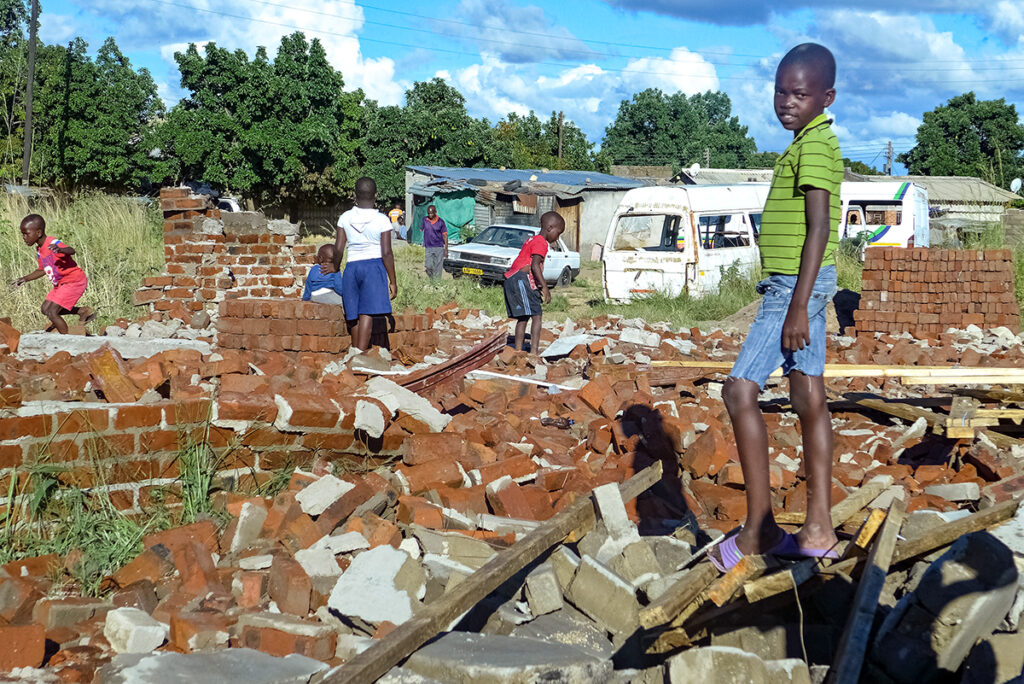
Families sorting through shattered bricks and twisted corrugated iron in the dust of Harare are not just picking up the pieces of their houses. They are looking at the moral bankruptcy of a system that views its most vulnerable citizens as disposable collateral damage. Any government that turns its own people into refugees in their own capital has lost its moral compass, leaving behind nothing more than a monument to administrative failure and political betrayal.