By Bongani Matshelela
JOHANNESBURG-South Africa’s governing African National Congress (ANC) has suffered one of its most damaging electoral defeats since the end of apartheid, losing significant support in municipal elections and facing increasingly difficult coalition negotiations that could reshape the country’s political landscape.
The November 4 local government elections have further weakened the ANC’s grip on power, with the party securing just 30.76% of the national vote, down sharply from 45.59% in the 2021 municipal elections.
The Democratic Alliance (DA) emerged as the second-largest party with 24.64%, while former president Jacob Zuma’s uMkhonto weSizwe (MK) party secured 9.76%.
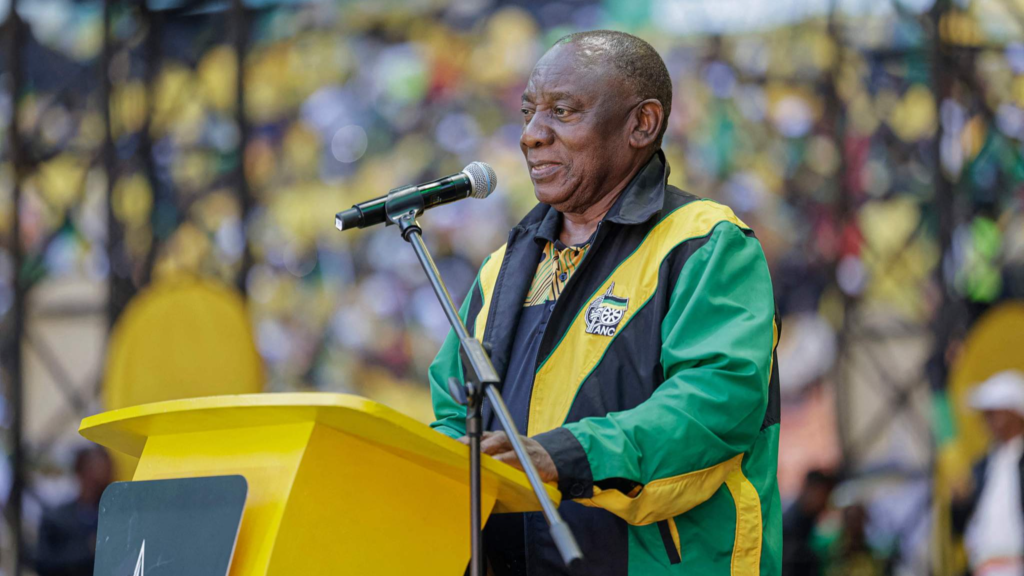
The results represent a significant challenge for President Cyril Ramaphosa and the ANC, which has governed South Africa since the first democratic elections in 1994.
The party’s declining support has been attributed to persistent unemployment, corruption allegations, deteriorating municipal infrastructure, electricity disruptions and failures in basic service delivery.
ANC Secretary-General Fikile Mbalula described the outcome as catastrophic, acknowledging the need for the party to reassess its political strategy and address growing public frustration.
The results have placed Johannesburg at the centre of intense coalition negotiations, with no single party securing an outright majority.
The DA, which secured approximately 35% of the vote in the city, is positioning itself to lead a new administration. The ANC received approximately 20%, while ActionSA secured around 16%.
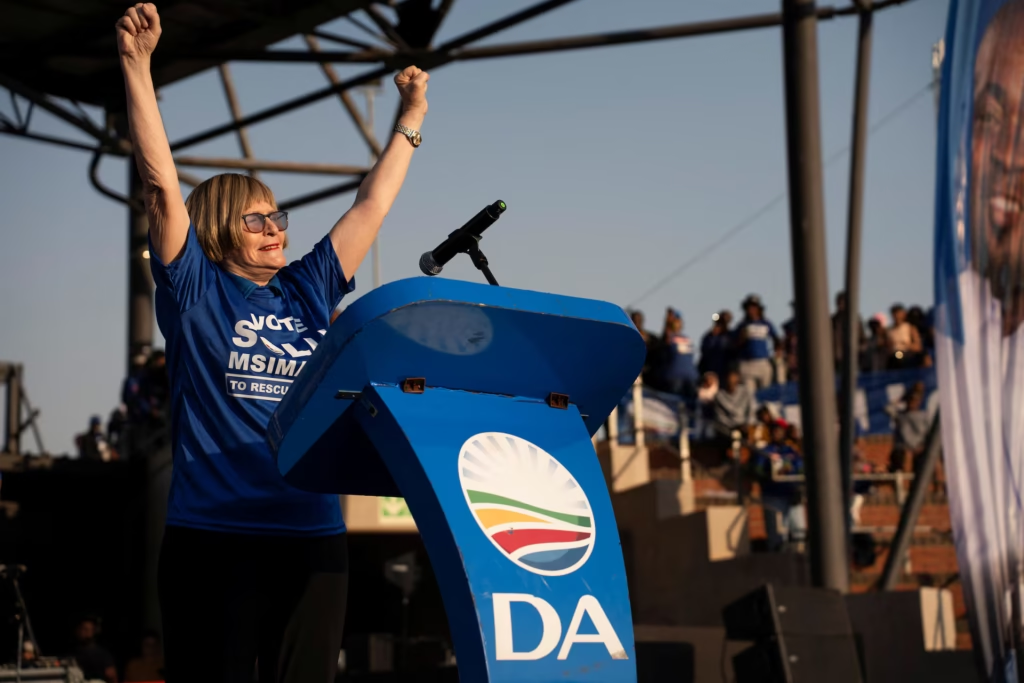
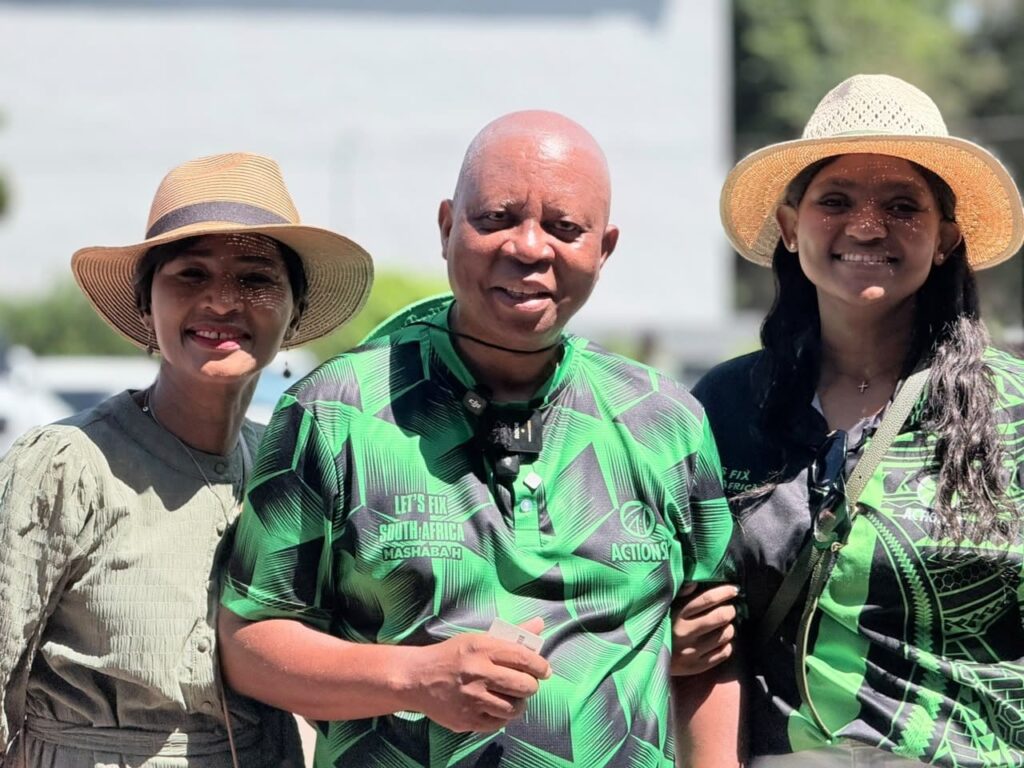
However, the prospect of a DA-led administration remains uncertain after ActionSA leader Herman Mashaba indicated that his party would not support a government led by DA figure Helen Zille (pictured below).
The position gives smaller political parties considerable influence over the formation of the next municipal administration.
Johannesburg’s political future is particularly important because of its economic significance as South Africa’s largest city and a major financial and commercial centre.
The election has intensified negotiations among political parties seeking to establish governing coalitions in municipalities across the country.
The ANC could be forced to negotiate with smaller parties to retain influence, while the DA is exploring opportunities to expand its control of municipalities through agreements with opposition parties.
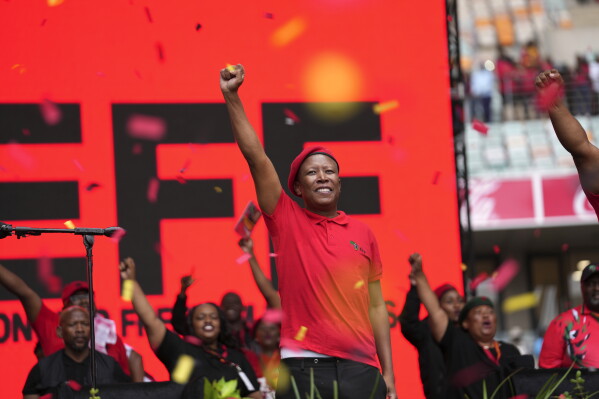
The Economic Freedom Fighters (EFF), ActionSA and other smaller parties are also expected to play important roles in determining the composition of municipal governments.
The negotiations could expose ideological divisions among opposition parties, particularly over economic policy, governance and leadership positions.
The outcome will also test the durability of South Africa’s broader Government of National Unity, established after the ANC lost its parliamentary majority in the 2024 national elections.
The municipal election results are likely to intensify pressure on Ramaphosa, whose leadership has already been tested by the ANC’s declining electoral performance and the challenges of governing alongside political rivals.
Although the local election outcome does not directly threaten his presidency, it could strengthen internal demands for accountability and organisational changes within the ANC.
The DA’s improved electoral position could also increase its bargaining power within the national coalition government, potentially complicating relations between the two largest parties.
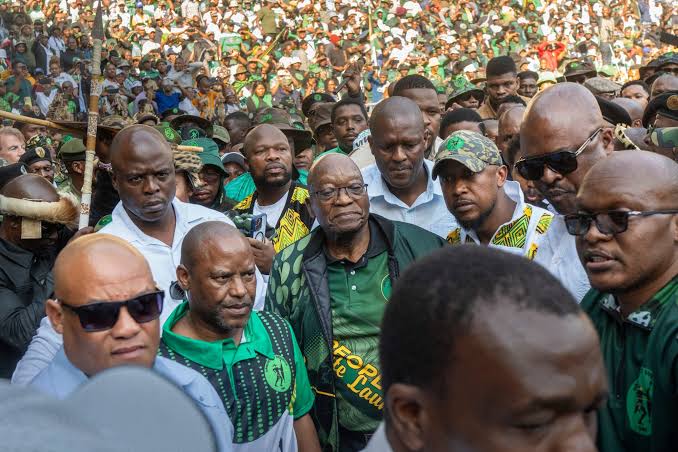
Meanwhile, MK’s performance highlights the continuing fragmentation of the ANC’s traditional support base, particularly among voters dissatisfied with the party’s leadership and governance record.
Financial markets are also watching developments surrounding the election and coalition negotiations.
The South African rand strengthened by approximately 0.4% against the US dollar on November 9, trading around R16.49, although movements in international markets and softer oil prices also influenced trading.
Investors are likely to remain attentive to the political negotiations, particularly their implications for policy continuity, economic reforms and municipal financial management.
The election results mark another significant stage in South Africa’s transition towards a more competitive and fragmented political system.
While the ANC remains the country’s largest political party, its shrinking electoral support has weakened its ability to govern independently, particularly in major urban centres.
The DA and smaller opposition parties now have greater opportunities to influence local government and shape future political alliances.
The immediate challenge will be establishing stable municipal coalitions capable of addressing service delivery failures and restoring public confidence.
For the ANC, however, the bigger challenge may be rebuilding its credibility before the 2029 national elections, when it could face an even more serious threat to its position as South Africa’s dominant political force.