By Abdul Mussa
MOGADISHU, Somalia – Somalia has been plunged into a fresh political crisis after the Supreme Court ruled that President Hassan Sheikh Mohamud’s term had expired, overturning his administration’s decision to extend the mandate of the presidency and parliament by one year.
In a landmark ruling, the five-judge panel declared that the constitutional amendments passed by parliament in March could not be applied retrospectively to extend the terms of the current officeholders.
The court directed Somalia’s political leaders to agree on an electoral framework within 30 days and hold elections within 90 days, setting the stage for a potentially contentious transition of power.
The ruling follows months of political disagreements between President Mohamud’s administration, opposition leaders and regional authorities over constitutional reforms and the country’s electoral arrangements.
Mohamud had argued that constitutional amendments extending presidential and parliamentary terms from four to five years allowed him to remain in office until May 2027.
However, the judges ruled that the current president’s mandate, which ended on May 15, 2026, could not be extended under the new provisions. Parliament’s mandate had also expired in April.
The court further ruled that decisions taken by the affected institutions after the expiry of their constitutional mandates were unlawful and without legal effect.
Pending an electoral agreement and the holding of elections, the government is expected to operate in a caretaker capacity, with its authority restricted to routine administrative responsibilities.
The judgment has also exposed growing tensions between the executive and the judiciary.
A day before the ruling, President Mohamud announced the dismissal of Chief Justice Bashe Yusuf Ahmed, citing concerns about judicial administration and the need for reforms.
However, the Supreme Court rejected the president’s decision, maintaining that he had no constitutional authority to remove the chief justice.
The circumstances surrounding the chief justice’s whereabouts and the deployment of security personnel around the court have further heightened concerns about the independence of the judiciary and the rule of law.
Opposition leaders have criticised the president’s actions, describing the developments as an attempt to undermine constitutional institutions.
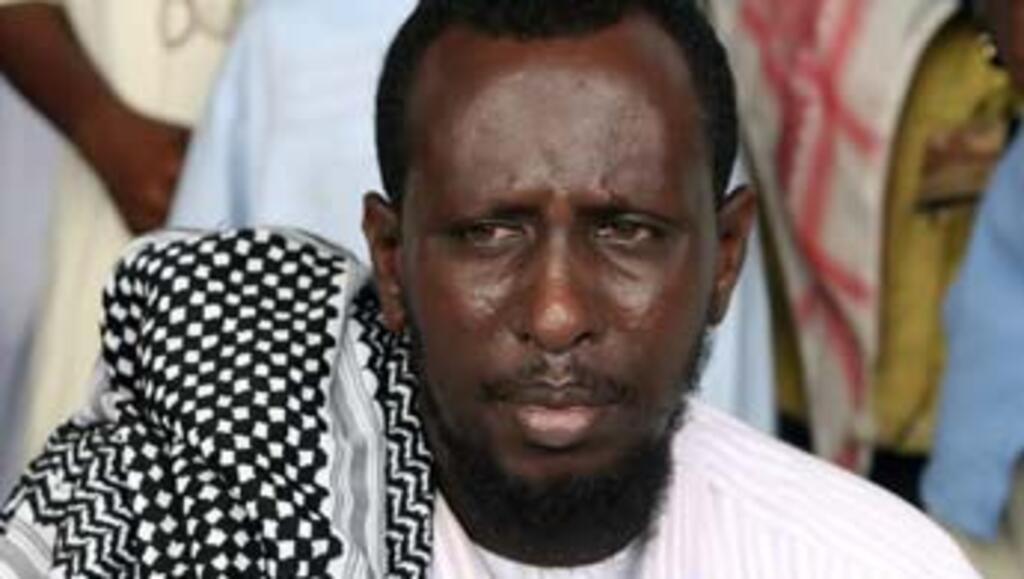
Former president Sharif Sheikh Ahmed, who led the legal challenge against the term extensions, had argued that the constitutional amendments and subsequent decisions by parliament threatened the country’s democratic transition.
The opposition has also rejected the government’s proposed electoral arrangements, calling for a return to the previous constitutional framework.
At the heart of the political dispute is the question of how Somalia should elect its leaders.
President Mohamud has championed a transition towards a direct voting system in which citizens would elect their representatives, replacing the existing clan-based arrangement under which traditional elders select delegates who, in turn, choose lawmakers and the president.
The proposed reforms have faced resistance from opposition groups and regional administrations, particularly Puntland and Jubaland, which have questioned the legitimacy of the constitutional changes and the government’s electoral roadmap.
The disagreements have previously triggered violent confrontations in Mogadishu, raising fears that the latest court decision could further destabilise the country.
The political standoff comes at a particularly sensitive time for Somalia, which continues to battle the al-Shabaab insurgency and faces uncertainty over international security support.
The closure of the United Nations political mission has also removed an important platform that had helped facilitate dialogue between Somalia’s competing political factions.