By Tichaona Katsvamutima
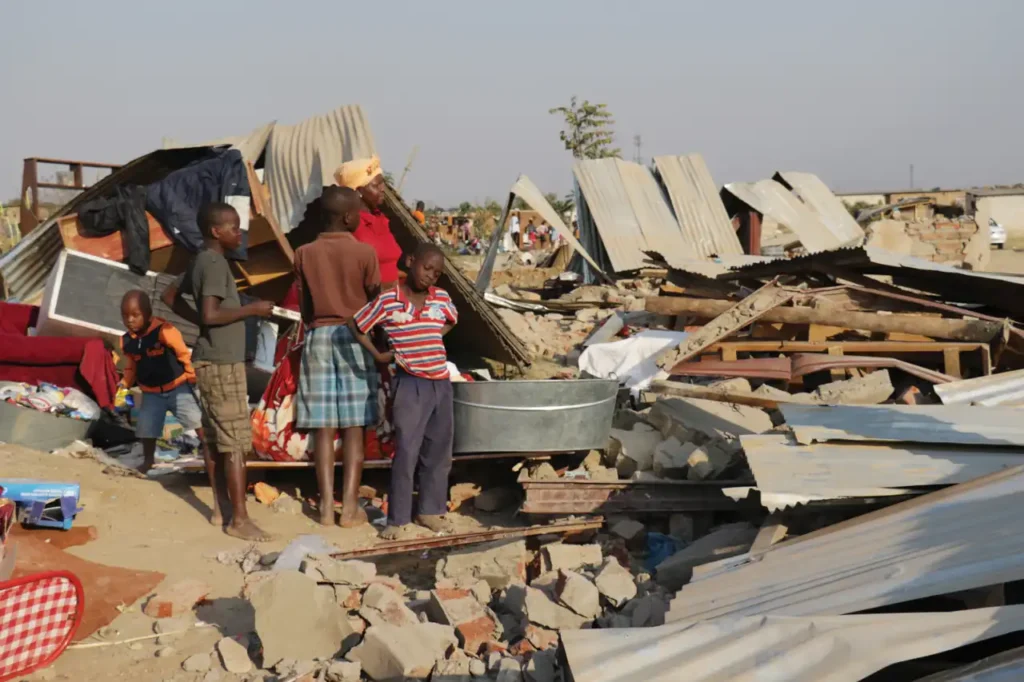
The Zimbabwe Human Rights Commission (ZHRC) has called for stronger action against land barons and greater protection for families affected by ongoing housing demolitions, warning that Zimbabwe’s recurring illegal settlements crisis cannot be resolved through enforcement measures alone.
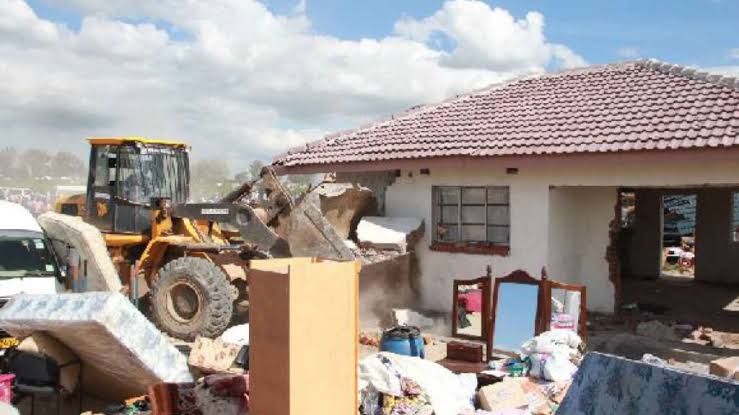
In a statement issued on Thursday, November 5, the constitutional watchdog raised concerns over demolitions in Harare and other urban centres, highlighting how fraudulent land allocations, inadequate housing delivery and growing urban populations have left ordinary Zimbabweans vulnerable to exploitation and displacement.
The Commission’s intervention raises a critical accountability question: while families face the destruction of homes built on unlawfully allocated land, what action is being taken against those who sold them the properties in the first place?
According to the ZHRC, the shortage of affordable and lawfully allocated residential stands has created opportunities for unscrupulous individuals and syndicates to exploit desperate home seekers.
“This creates fertile ground for land barons and other unscrupulous actors to exploit the legitimate aspirations of ordinary Zimbabweans by selling or allocating land in undesignated spaces, including areas unsuitable for residential development,” the Commission said.
“In many instances, families invest their hard-earned resources, sometimes their entire life savings, in the expectation of securing a permanent home, only to find themselves exposed to the prospect of displacement and substantial financial loss.”
The Commission urged law enforcement agencies to investigate fraudulent land transactions, corruption and unlawful allocations, stressing that those who profit from illegal land dealings must be held accountable.
“The law must be enforced against those who profit from the desperation and legitimate aspirations of home seekers, and appropriate investigative and accountability mechanisms should be brought to bear in addressing such practices,” it said.
While acknowledging the responsibility of government and local authorities to enforce planning regulations and protect environmentally sensitive areas, including wetlands, the ZHRC warned that demolitions have consequences extending far beyond the destruction of buildings.
“Behind every affected household are individuals and families whose aspirations for secure shelter and a dignified existence may have been compromised,” the Commission said.
“The loss of a home can occasion profound emotional distress, financial hardship and social dislocation, with particularly difficult consequences for children, older persons and other vulnerable members of society.”
The ZHRC maintained that authorities must observe applicable legal and administrative procedures when carrying out demolitions, while considering practical measures to minimise suffering where displacement becomes unavoidable.
However, the Commission stopped short of calling for a blanket suspension of demolitions, instead advocating lawful and humane enforcement alongside reforms to address the underlying housing crisis.
“The Commission is of the considered view that a sustainable response to the recurring phenomenon of unlawful settlements and subsequent demolitions must extend beyond enforcement measures to address the structural circumstances that give rise to such settlements in the first place.”
The ZHRC challenged government and municipalities to accelerate housing development, reduce residential waiting lists and establish transparent systems through which citizens can legally acquire residential stands.
It also called for measurable housing delivery targets, realistic implementation timelines and improved monitoring to prevent illegal settlements from emerging.
The Commission also urged prospective homeowners to verify the legal status of residential stands with local authorities before purchasing land or beginning construction.
It emphasised that protecting the environment, enforcing planning laws and safeguarding human rights should be complementary objectives rather than competing priorities.
“While the enforcement of the law remains an essential responsibility of the State, equal attention must be directed towards ensuring that citizens have realistic and accessible opportunities to secure housing through lawful channels,” the Commission said.