By Mbekezeli Ncube
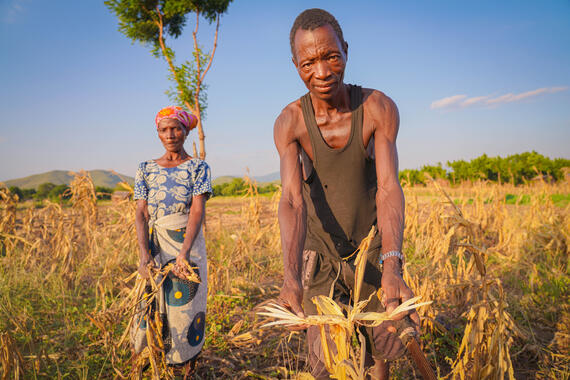
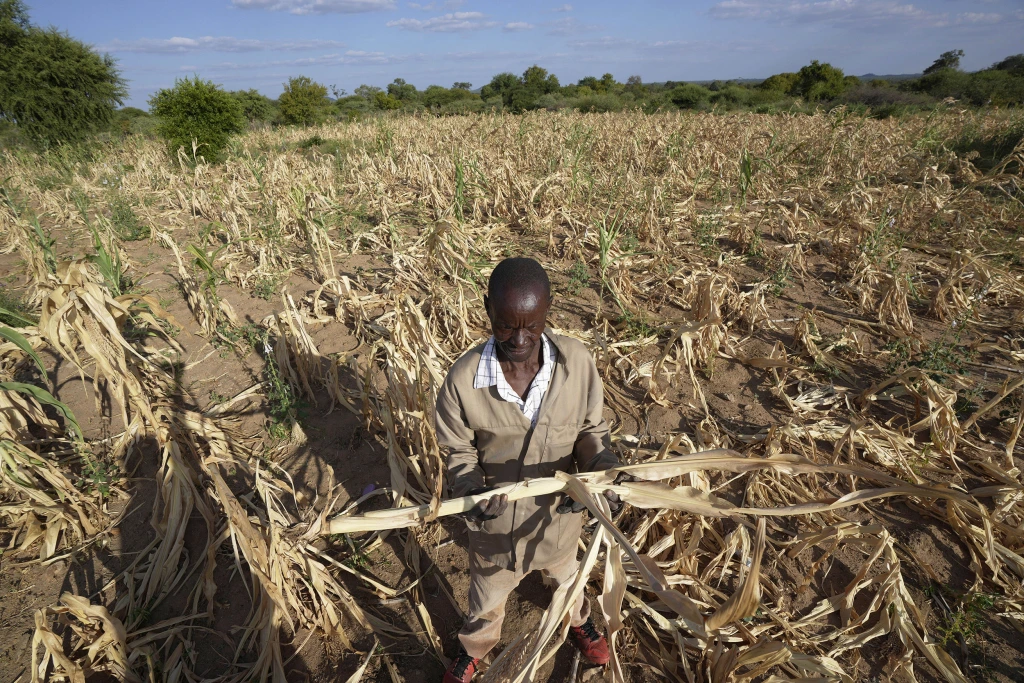
BULAWAYO-The Government is facing questions over its preparedness for an anticipated El Niño-induced drought, with Public Service, Labour and Social Welfare Minister Edgar Moyo acknowledging the risk of worsening household food insecurity while calling for measures to strengthen social protection and mobilise resources.
Moyo said the country must prioritise early identification of vulnerable households and ensure that food assistance and cash transfers reach those in need before their circumstances deteriorate.
In his keynote address at his ministry’s Strategic Plan Review Workshop in Bulawayo, Moyo said the anticipated drought could threaten household food security, livelihoods and the welfare of vulnerable communities as the country plans for the 2027 budget year.
“Drawing lessons from previous drought experiences, our Strategic Plan must prioritise proactive risk assessment, early identification of vulnerable households, strengthened social protection systems and the timely mobilisation of resources to support those at risk,” Moyo said.
He called for stronger provincial and district structures to identify affected households and maintain reliable beneficiary data, raising the importance of having accurate information on the people who will require assistance.
“Emphasis must be placed on strengthening the capacity of our provincial and district structures to identify affected households, maintain reliable beneficiary data and facilitate the timely delivery of food assistance, cash transfers and other essential support,” he said.
His warning comes against the backdrop of controversial remarks by Speaker of Parliament Jacob Mudenda, who urged Zimbabweans to switch from sadza to porridge and reduce food consumption to make maize meal supplies last longer as the country braces for a possible severe drought.
Addressing legislators at Parliament’s 2027 pre-budget seminar in Bulawayo on October 30, Mudenda recalled how families adjusted their eating habits during the 1957 drought, reducing their meals from three to two a day.
“In 1957, 10 years after the 1947 drought, people began to change how they fed themselves. They reduced from three meals to two meals. I recall I was a toddler then in 1957. Instead of cooking isitshwala/sadza, you cook porridge,” Mudenda said.
Mudenda also warned that Government resources alone might not be sufficient to protect everyone from hunger.
The remarks have raised questions about whether the response to the looming drought is placing too much emphasis on households adjusting their consumption instead of demonstrating how the Government will guarantee adequate food supplies and support for vulnerable communities.
Moyo said the country must move away from responding to drought after its effects have already been felt, towards anticipatory action and resilience-building.
“Our approach must shift from reactive crisis response towards anticipatory action and resilience-building, ensuring that assistance reaches those who need it most before their circumstances deteriorate,” Moyo said.
He further warned that drought-induced hardship should not reverse gains made through social protection programmes, insisting that no vulnerable household should be left without support.