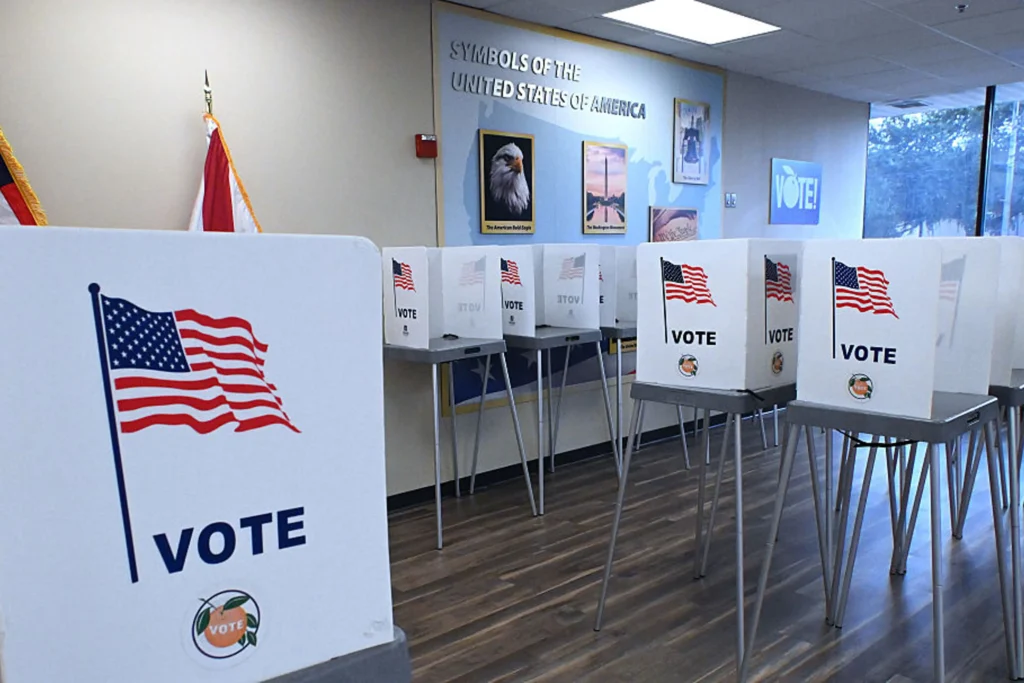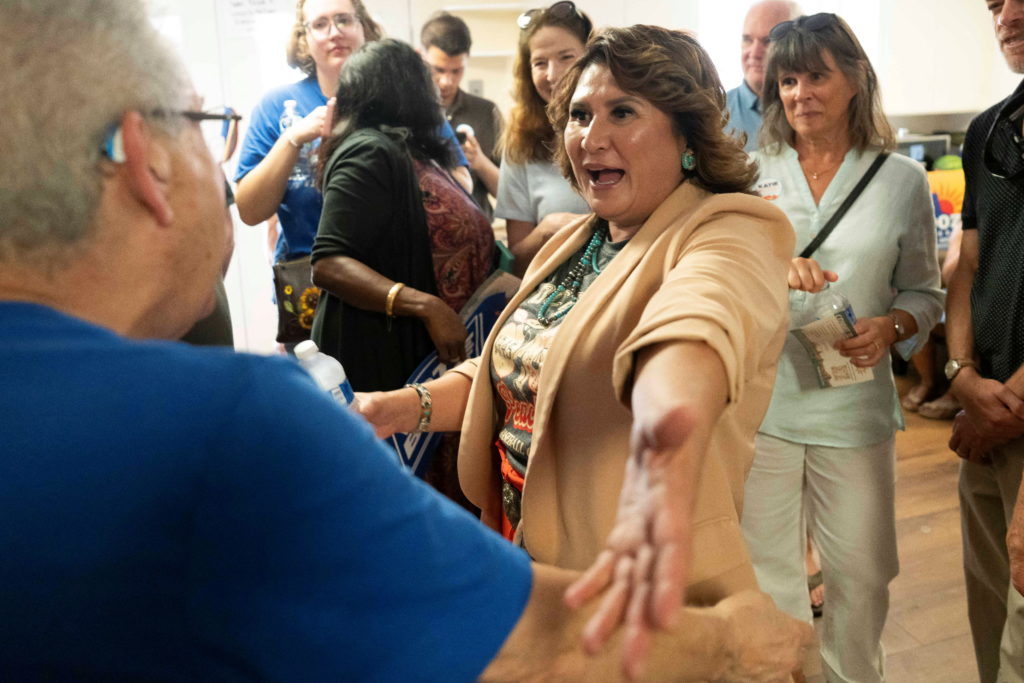
Millions of Americans are heading to the polls in crucial midterm elections that could significantly reshape the country’s political landscape and determine how much influence President Donald Trump will have over the final two years of his presidency.
The elections are being closely watched both inside and outside the United States, with the Republican Party seeking to retain control of Congress while the opposition Democratic Party hopes to secure enough seats to challenge the president’s legislative agenda.
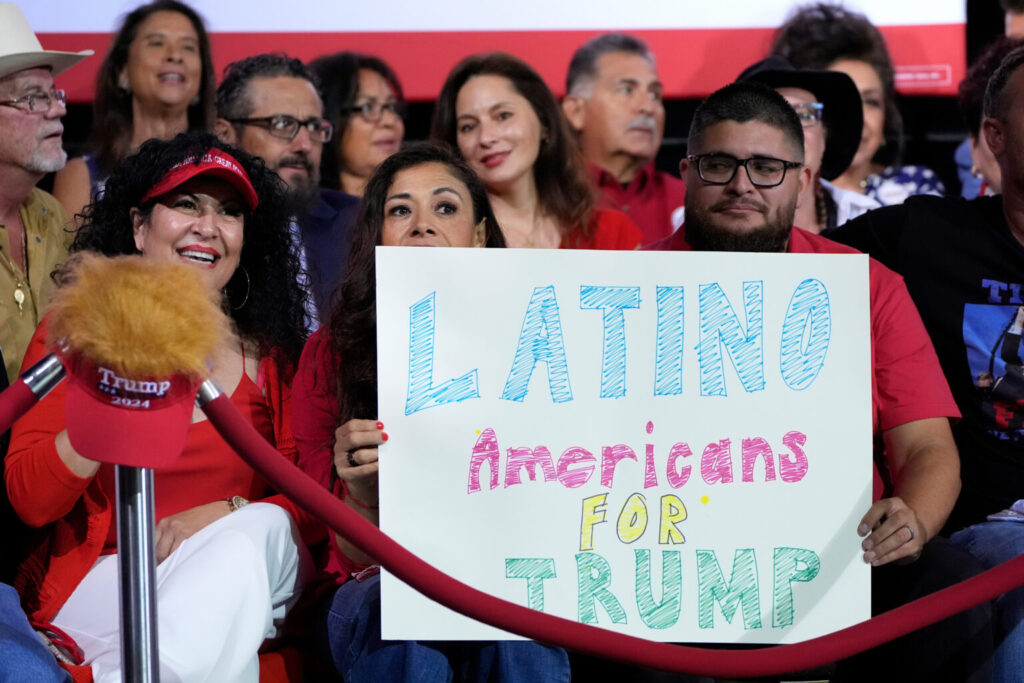
Among the biggest questions confronting Republicans is whether they can maintain the support of Hispanic and Latino voters, a constituency that played an important role in Trump’s return to the White House in the 2024 presidential election.
However, growing dissatisfaction with the administration’s immigration crackdown, coupled with mounting concerns over the cost of living, appears to be creating political difficulties for the president’s party.
Latino voters are increasingly becoming an influential political constituency in the United States, particularly in closely contested states where relatively small changes in voting patterns can determine election outcomes.
Trump made significant gains among Hispanic voters during the 2024 presidential election, challenging the traditional assumption that the majority of this demographic would consistently support Democratic candidates.
His campaign appealed to many Latino voters through promises of economic recovery, stronger border security, employment opportunities and a tougher approach to illegal immigration.
However, the political mood appears to have shifted in some sections of the community.
Immigration enforcement operations carried out under the Trump administration have generated anxiety among Latino families, including some who previously supported the president.
The concerns extend beyond undocumented migrants, with some legal residents, citizens and mixed-status families worried about the wider consequences of increasingly aggressive immigration enforcement.
In Florida, for example, immigration policies have become a particularly sensitive issue among Cuban-American and Venezuelan-American communities, some of whose members supported Trump because of his positions on immigration, Cuba and Venezuela.
Immigration was among Trump’s central campaign promises, and his administration has pursued tougher border controls and enforcement measures.
While supporters argue that the policies are necessary to strengthen national security and control illegal immigration, critics contend that enforcement operations have caused fear and uncertainty among immigrant communities.
For many Latino voters, the issue is personal because relatives, friends and members of their communities are directly affected.
The administration’s approach has as a result, created a complicated political situation for Republicans.
Some Hispanic voters continue to support stricter border controls but disagree with the methods being used to enforce immigration laws.
Nevertheless, Democrats are hoping that the growing concerns will help them regain support among voters who shifted towards Trump in 2024.
Beyond immigration, the economy is emerging as another decisive issue in the elections.
Many American households are concerned about the rising cost of essential goods and services, including food, fuel, housing and healthcare.
Economic pressure has become a significant political challenge for the Trump administration, particularly as voters increasingly assess whether the president’s policies are improving their everyday lives.
Although Trump has defended his economic record and highlighted what he describes as progress in attracting investment and supporting American businesses, concerns about affordability remain widespread.
The issue is particularly important among working-class voters, including Hispanic communities, many of whom are sensitive to changes in household expenses and employment opportunities.
For the Democrats, the economic debate offers an opportunity to challenge the Republican administration on its record since returning to power.

The midterm elections will determine the composition of the United States Congress, which consists of the House of Representatives and the Senate.
Republicans currently control both chambers, giving Trump considerable political support when pursuing his legislative priorities.
However, Democrats are seeking to win enough seats to take control of one or both chambers.
A Democratic victory in the House would give the opposition greater influence over legislation, government spending and congressional oversight.
It could also open the door to investigations into the administration’s policies and conduct.
Democrats could potentially use their congressional majority to initiate impeachment proceedings, although removing a president from office would require a separate and much more demanding constitutional process.
The Senate presents a different challenge, with several closely contested races expected to determine which party controls the chamber.
States such as Texas, Maine, Alaska, Michigan and Kansas are among those attracting considerable attention.
Texas is particularly significant because of its large Latino electorate and the potential impact of changing voting preferences on closely contested races.
Trump has been actively campaigning for Republican candidates, urging supporters to turn out and defend the party’s congressional majorities.
His political strategy has increasingly linked Republican candidates to his own presidency, encouraging voters to consider his record when deciding how to vote.
However, midterm elections traditionally present difficulties for the party controlling the White House, as voters often use the opportunity to express dissatisfaction with the sitting administration.
A significant Republican defeat could weaken Trump’s ability to advance his domestic agenda during the remainder of his term.
It could also intensify divisions within the Republican Party over the direction of its policies.
The scale of participation is another important feature of this year’s elections.
According to figures cited in the BBC’s live election coverage, approximately 58.7 million Americans had already cast early votes by late Monday, November 2.
These included nearly 31.9 million in-person early votes and approximately 26.8 million mail-in ballots.
As Americans cast their ballots, the key question is whether dissatisfaction over immigration enforcement and economic pressures will be enough to change the balance of power in Washington.