By Kudzai Jakachira
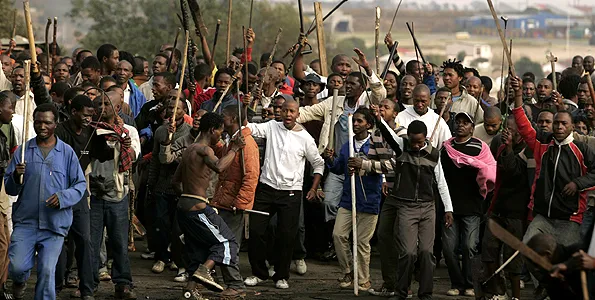
South African authorities have facilitated the repatriation of 194 Zimbabwean nationals, including 101 minors, from Johannesburg, as hundreds of Zimbabweans displaced by a wave of anti-immigrant attacks remain in need of assistance.
The 194 Zimbabweans were among more than 300 people who had gathered at the Zimbabwean consulate premises in Johannesburg, after being forced from their homes and workplaces amid protests targeting foreign nationals.
The South African government said the Zimbabweans were processed and departed for Zimbabwe on Friday, while 56 Nigerians, including 21 minors, were also assisted to return home with the help of the Nigerian Embassy.
Deputy government spokesperson William Baloyi said the authorities were working with relevant stakeholders to ensure that the repatriation and deportation process was conducted in an orderly and humane manner.
The development came a day after reports highlighted the plight of more than 300 Zimbabweans stranded at the consulate, where they had been waiting for buses to take them home.
The displaced Zimbabweans included families from Johannesburg, Pretoria and Vereeniging who said they had been forced from their homes and jobs following protests by the March and March movement.
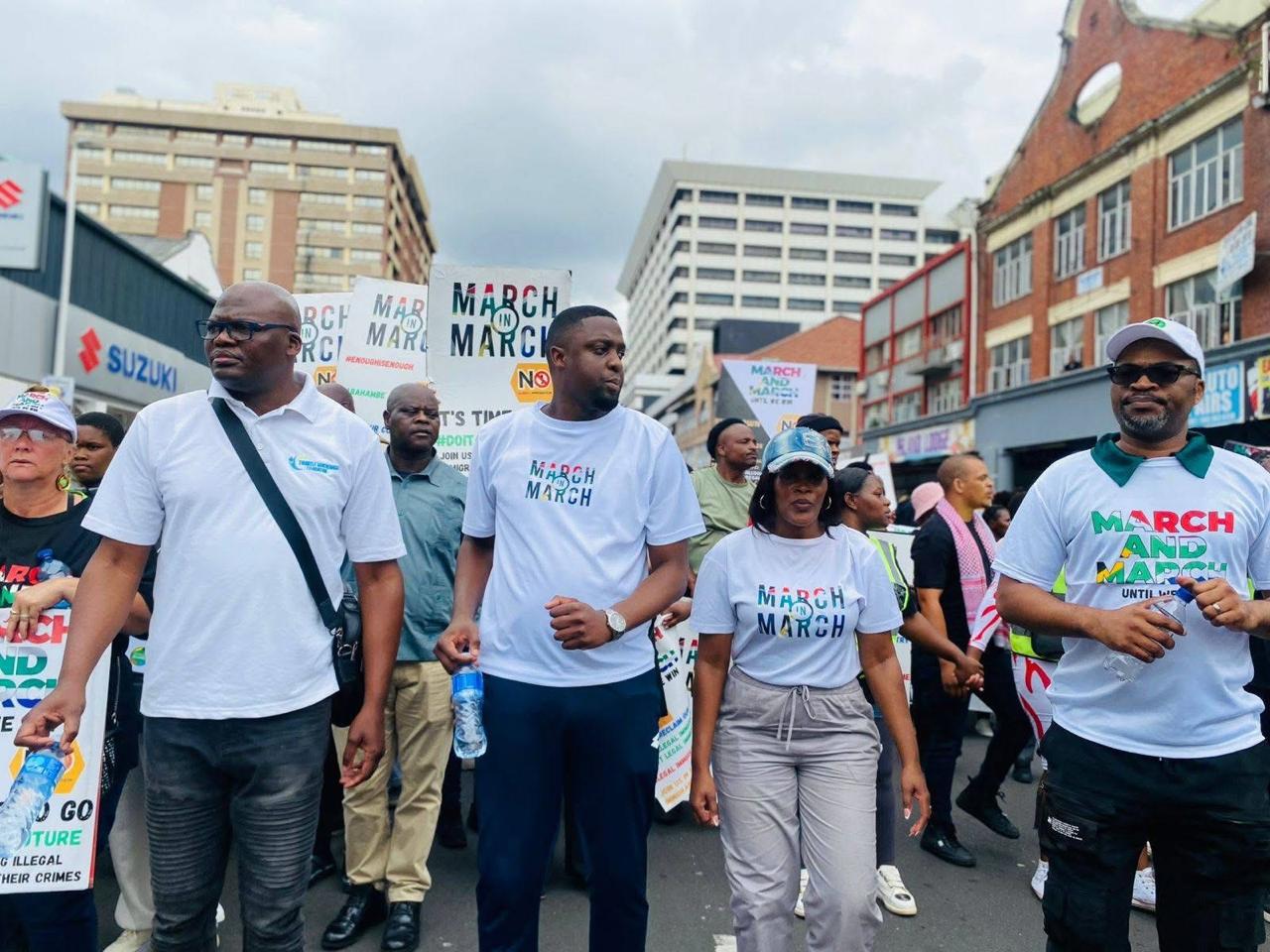
Some reported having lost their homes and belongings, while others said they had been dismissed from their jobs or chased away by landlords.
A pregnant Zimbabwean woman from Esigodini, near Bulawayo, was among those sheltering at the facility after she was forced to leave her Hillbrow flat while seven months pregnant. Another woman reportedly gave birth at the consulate last week.
Civil society organisations have been providing food, medical supplies, hygiene products and other necessities to those stranded at the facility.
Tessa Dooms of the Siyafana Sonke Action Campaign said the conditions at the premises were deteriorating, with water shortages and inadequate toilet facilities posing a health risk, particularly to children.
“There are water shortages and only a few toilets. The circumstances pose a serious health risk, especially with children around,” Dooms said.
Ethel Musonza, founder of Zimbabwe Isolated Women in South Africa, said there had also been a diarrhoea outbreak among those staying at the facility.
The delays in repatriation had been linked to logistical and funding challenges. General Sithole of the Civic Engagement Forum of Zimbabwe said about 3,000 Zimbabweans were awaiting repatriation across South Africa.
Sithole attributed the shortage of buses partly to budget constraints and said the closure of the Musina Temporary Repatriation Centre had also complicated the process.
The centre had been used by Zimbabwean and South African authorities to facilitate repatriation, including screening returnees for criminal records.
Sithole said discussions were under way between his organisation and the Zimbabwean embassy to secure funding for the remaining people awaiting repatriation.