
By a Correspondent
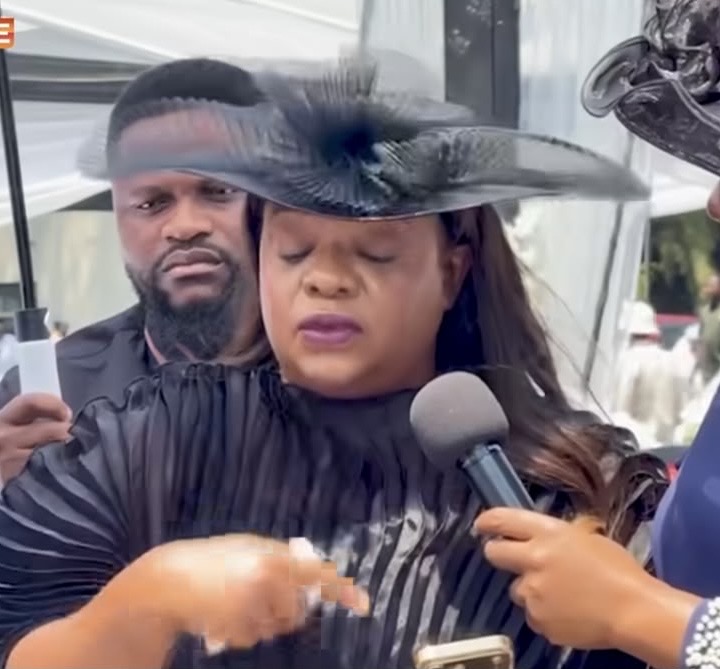
The estate of the late controversial businessman Wicknell Chivayo has taken a significant step towards administration, with his eldest sister, Esther Chivayo, and former wife, Sonja Madzikanda, appointed as co-executrices of his multi-million-dollar estate.
The appointment places the two women at the centre of the legal process governing the management, protection and eventual distribution of Chivayo’s assets.
Madzikanda’s appointment is particularly significant given that she had a US$25 million matrimonial property claim pending before the Supreme Court at the time of Chivayo’s death.
What is an executor and what are their responsibilities?
An executor, or executrix in the case of a woman, is a person appointed by the Master of the High Court to administer a deceased person’s estate in accordance with the Administration of Estates Act.
When a person dies, leaving behind property, money, business interests, debts and other financial obligations, those assets do not automatically become the property of their relatives. The law requires the estate to go through a formal administration process, with the appointed executor responsible for overseeing it.
The executor is legally responsible for managing the deceased’s estate on behalf of the beneficiaries and in accordance with the law. Neither family members nor other interested parties can simply sell, transfer or dispose of estate property outside the prescribed legal process.
One of the executor’s primary responsibilities is to compile a comprehensive inventory of the deceased’s assets and liabilities. This includes properties, vehicles, bank accounts, company shares, investments, outstanding loans, debts and tax obligations. The inventory must be submitted to the Master of the High Court.
The executor must also identify, secure and protect the estate’s assets to prevent them from being lost, stolen, damaged or unlawfully disposed of. This may involve securing properties and vehicles, notifying financial institutions and collecting money owed to the deceased.
Another critical responsibility is settling legitimate debts and obligations before distributing the estate to beneficiaries. These may include outstanding taxes, funeral expenses, administration costs, creditor claims and any other legally enforceable liabilities.
Only after the estate’s liabilities have been dealt with can the remaining assets be distributed in accordance with a valid will or, where there is no valid will, the applicable laws of intestate succession.
The executor is also required to account for the administration of the estate and prepare the necessary accounts for examination and approval by the Master.
Importantly, an executor does not become the owner of the deceased’s wealth by virtue of the appointment. The role is one of legal administration, with a duty to protect the interests of the estate and its beneficiaries.
Madzikanda and Esther Chivayo take charge of administration
Chivayo died in a helicopter crash in Marondera on 30 September 2026, alongside his wife, Lucy Muteke, and three other people.
Following his death, his estate was registered with the Master of the High Court approximately three weeks later. An initial meeting was subsequently held, but no executor had been appointed at that stage, leaving the estate effectively frozen pending the formal appointment.
The appointment of Madzikanda and Esther Chivayo as co-executrices now paves the way for the formal administration of the estate.
The two are expected to work jointly in identifying and securing Chivayo’s assets, compiling an inventory of his wealth and liabilities, dealing with legitimate creditor claims and overseeing the eventual distribution of the estate.
Their appointment comes against the background of Madzikanda’s outstanding US$25 million matrimonial claim, which had been before the Supreme Court when Chivayo died.
The implications of that claim, together with any other valid claims against the estate, will have to be dealt with through the appropriate legal processes.
Children expected to be principal beneficiaries
Chivayo’s two minor children from his previous relationship with Madzikanda, John Chenjerai Chivayo, born in January 2018, and Attara Minana Chivayo, born in March 2019, are expected to be among the principal beneficiaries of the estate.
Family spokesperson Herbert Chivayo indicated during the funeral that the businessman had repeatedly expressed his wish for his children to inherit his wealth.
However, the final distribution will depend on the existence and validity of any will, the applicable succession laws and the settlement of all legitimate liabilities and claims.