By Tichaona Katsvamutima
Zimbabwean socialite and writer Rejoyce Simango, popularly known as Todo Simms or Dramatic lawyer has challenged societal attitudes towards unmarried women over 30, accusing some men of exploiting the pressure to settle down by presenting questionable relationships as opportunities women should be grateful to accept.
Writing on Substack, an online publishing platform for independent writers, Todosimms shared her experiences of navigating relationships as an unmarried woman over 35, questioning why age should determine a woman’s expectations of love, marriage and companionship.
“Being over 30 sometimes feels like a death sentence, especially when it comes to relationships,” she wrote.
“The moment you hit your 30s and you’re still unmarried, single, and without children, it seems like everybody suddenly has an opinion about your life.”
Her reflections have brought attention to the expectations surrounding marriage in Zimbabwean society, where unmarried women can face pressure from relatives, communities and prospective partners as they grow older.
Todosimms identified three categories of men she believes complicate dating for women in their 30s: married men seeking second wives, younger men attracted to established lifestyles and men of a similar age who regard their willingness to marry as a favour.
She recounted an encounter with a married man living in the United Kingdom who approached her with a marriage proposal despite having a wife and three young children.
According to Todosimms, the man, who owns a farm in Zimbabwe, wanted another wife based in the country while his existing family remained in Britain.
She claimed he repeatedly reminded her that she was over 35 and should consider his proposal, which included financial support and assistance in establishing a business.
“A married man with a wife and three children is presenting himself as a favour to me. I’m supposed to look at his situation and think, Wow, what an opportunity!” she wrote.
She also recalled another married man offering to pay for her medical aid if she agreed to become his second wife and have his child.
“Is this a marriage proposal or a benefits package?” she questioned.
Todosimms stressed that her criticism was not directed at polygamy itself, acknowledging that women make different relationship choices, but rather at the assumption that unmarried women over 30 should accept arrangements they do not want.
“The problem is the assumption that an unmarried woman over 30 should be so desperate that she’ll accept an arrangement she doesn’t even want.”
Psychology expert Taurai Mapurisa said pressure to marry at a particular age could have psychological consequences, particularly in communities where marriage is associated with personal achievement and social acceptance.
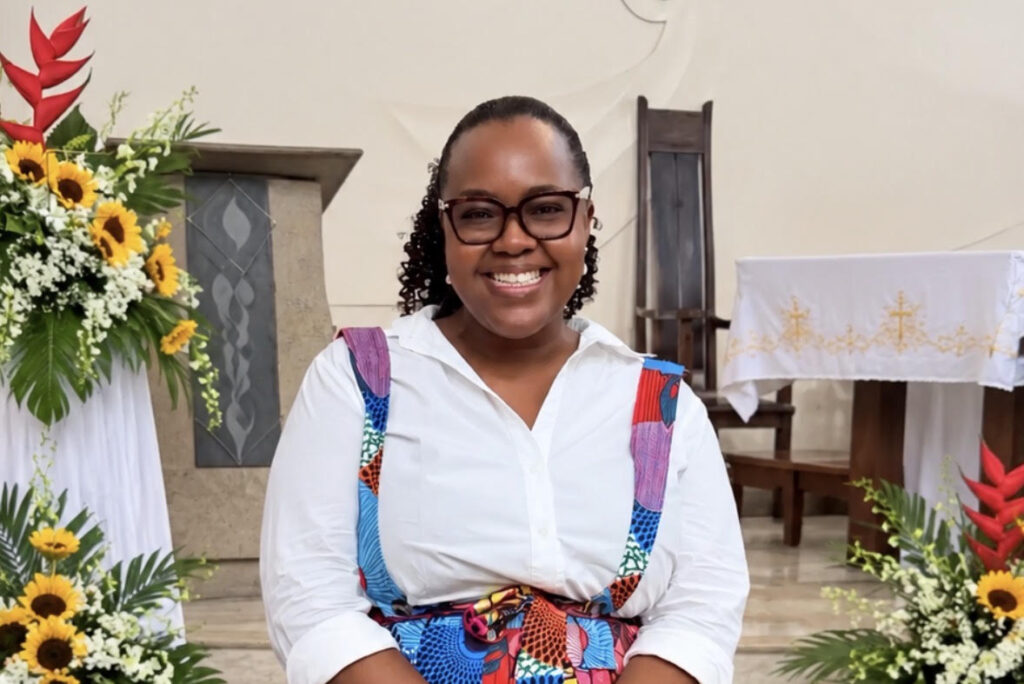
“There is considerable psychological pressure associated with reaching a certain age without being married, particularly in societies where marriage is regarded as a measure of personal achievement. This pressure can create anxiety and sometimes push individuals into relationships that do not reflect their values or emotional needs,” Mapurisa said.
She cautioned against entering relationships out of fear of remaining unmarried, emphasising that compatibility and mutual respect should take precedence over societal expectations.
“A healthy relationship should never be built on fear, desperation or the belief that one partner is doing the other a favour. Emotional maturity means understanding that compatibility, mutual respect and personal well-being are more important than meeting society’s expectations.”
Turning to younger men, Todosimms questioned whether some genuinely pursue relationships with older women or are primarily attracted to the financial stability and comfortable lifestyles they may have established.
She described an encounter at a gym where a man she estimated to be around 28 offered to cook, provide massages and spend time with her after learning that she lived alone.
Although the man insisted that he genuinely preferred mature women, Todosimms remained sceptical.
“You like the vibe. You like the possibility of having access to a comfortable home. You like the idea of spending time with someone who has established a certain lifestyle,” she wrote.
“You like the Wi-Fi!”
Despite the humorous observation, she acknowledged that relationships between older women and younger men can be genuine and successful, stressing that her concern was about intentions rather than age differences.
“Being attracted to someone and being attracted to what they can give you are two very different things,” she observed.
Her concerns are also shared by Rumbidzai Bete, an unmarried Zimbabwean woman based in the United Kingdom, who said a woman’s relationship status should not be used to judge her happiness or personal fulfilment.
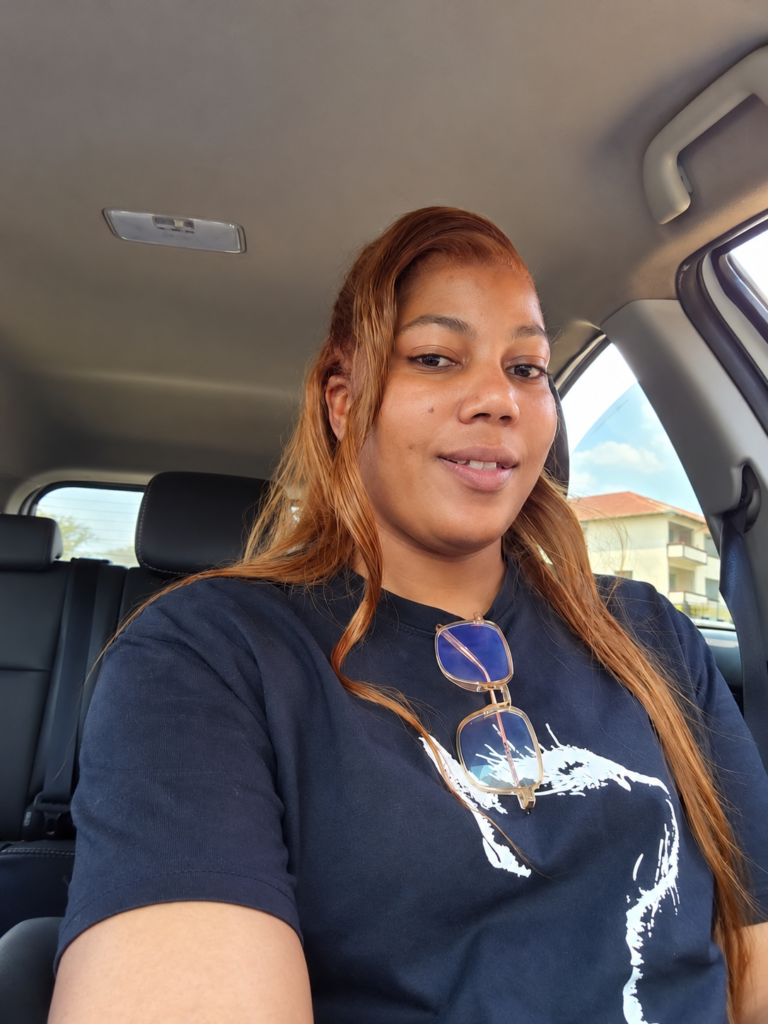
“As an unmarried woman living in the UK, I understand some of the issues Todosimms is raising. There is often an assumption that once a woman reaches her 30s without a husband, she must be lonely or desperate. But being single does not necessarily mean someone is unhappy or that their life is incomplete,” Bete said.
She argued that marriage should remain a personal decision rather than an obligation imposed by family or societal expectations.
“Marriage is something I believe should happen for the right reasons. I would rather build a meaningful relationship with someone who genuinely respects and values me than rush into marriage simply to satisfy family expectations or silence people who keep asking when I am getting married.”
Todosimms reserved some of her strongest criticism for men within her age group who, she argued, sometimes expect women to overlook dishonesty, infidelity and emotional neglect because of concerns about marriage and motherhood.
“Why should I accept dishonesty because I’m over 30? Why should I tolerate cheating because I haven’t been married before? Why should I lower my standards just because I haven’t had a child?” she questioned.
She challenged the notion that women should tolerate unacceptable behaviour simply because a prospective partner expresses willingness to settle down.
“A man being willing to marry you doesn’t automatically make him a good partner. Marriage itself isn’t a prize if the person you’re marrying cannot offer you the kind of relationship you actually want.”
However, Russel Maratu, offering a male perspective, cautioned against generalising men’s intentions, arguing that genuine relationships require understanding and fairness from both partners.

“I agree that no woman should be made to feel desperate simply because she is unmarried after 30. However, I also believe we need to be careful about portraying men as opportunists whenever they express interest in older women. There are genuine men looking for meaningful relationships, just as there are women with sincere intentions,” Maratu said.
He maintained that successful relationships depend on mutual respect and realistic expectations rather than assumptions based on age, gender or financial circumstances.
“Relationships require realistic expectations from both sides. Men and women should approach each other with honesty, respect and a willingness to compromise. The problem begins when either person believes their age, financial position or marital status gives them the right to manipulate the other.”
The contrasting perspectives reflect broader questions about changing attitudes towards marriage, particularly as education, migration, economic pressures and women’s financial independence influence relationship decisions.
In Zimbabwe, marriage continues to carry considerable cultural and social significance, although expectations differ across communities and generations.
While some women choose to remain single, others wish to marry but have yet to find compatible partners. Concerns about motherhood and reproductive age can add further pressure, particularly when personal decisions become subjects of family and community scrutiny.
For Todosimms, the central issue is society’s tendency to treat unmarried women as though their lives remain incomplete until they become wives or mothers.
“Perhaps the biggest misconception about women who are single in their 30s is that we are waiting to be chosen,” she wrote.
“As if our lives are on pause until a man comes along and gives us the title of wife or mother.”
She insisted that women should be free to pursue marriage and motherhood without compromising their values or entering relationships driven by fear.
“You can want marriage without wanting just any marriage,” she argued.
“You can want children without agreeing to have them under circumstances that aren’t right for you.”
Although Todosimms, Mapurisa, Bete and Maratu approach the issue from different perspectives, their contributions underline the importance of respect, compatibility and personal choice.
Their observations also raise questions about whether marriage should continue to be regarded as a defining milestone of adulthood or recognised as one of several possible paths towards personal fulfilment.
For Todosimms, growing older should never diminish a woman’s right to choose the kind of relationship she wants.
“Because the goal isn’t simply to get married before a certain birthday,” she wrote.
“The goal is to build a life you actually want to live.”
She concluded by rejecting the stigma sometimes attached to women who remain single beyond their 30s.
“Being over 30 doesn’t mean I’m desperate. It means I’m over 30.”
Her reflections, alongside the perspectives of other contributors, underscore an evolving conversation about love, marriage and independence in contemporary Zimbabwean society.
Ultimately, the debate raises a question that extends beyond relationship status: why should a woman’s age determine how much respect, commitment or happiness she is entitled to expect from a partner?