By Gabriel Manyati
Wicknell Chivayo’s extraordinary life posed a question that his sudden death has sharpened rather than settled: how did a Zimbabwean businessman, known publicly for luxury cars, lavish gifts and contested government contracts, secure such ready access to presidents across the continent?
The question is no longer Zimbabwe’s alone. After the helicopter crash that killed him near Marondera on 30 September 2026, Chivayo’s ties to Kenyan President William Ruto have drawn intense scrutiny in Nairobi, where his reported commercial interests had already prompted political debate.
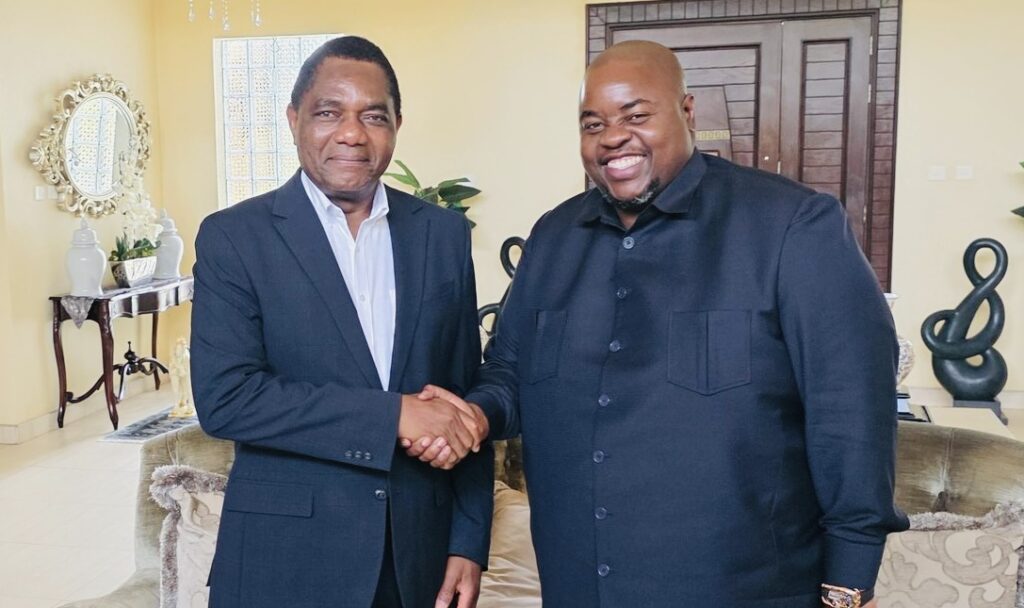
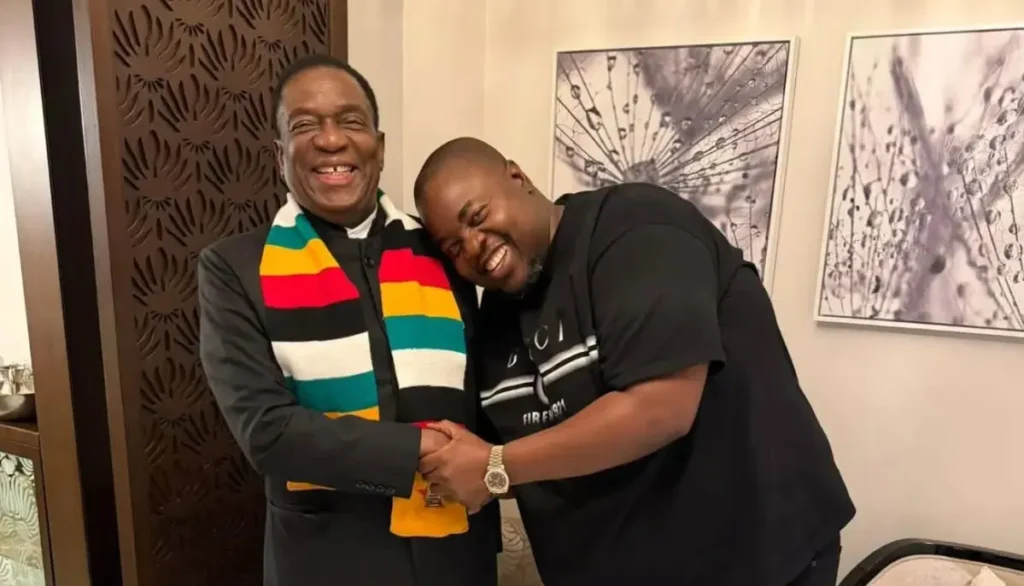
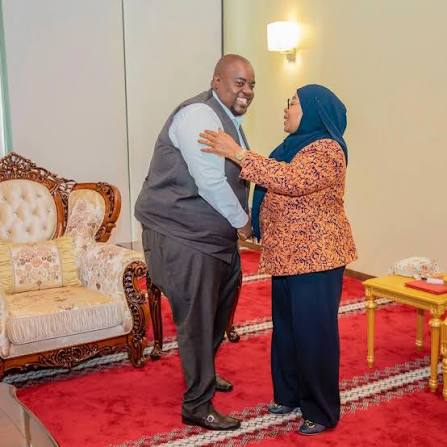
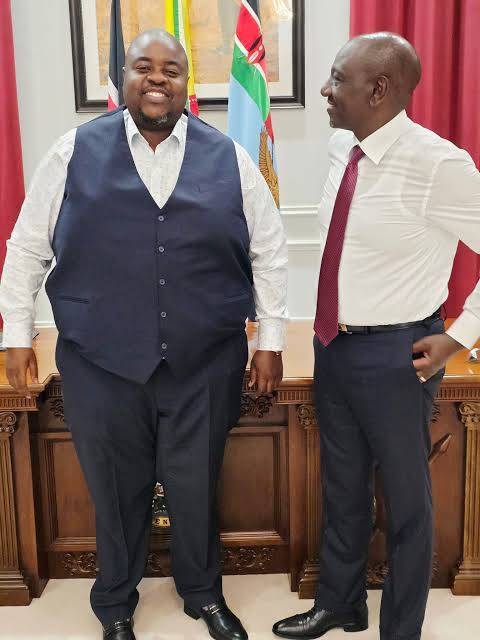
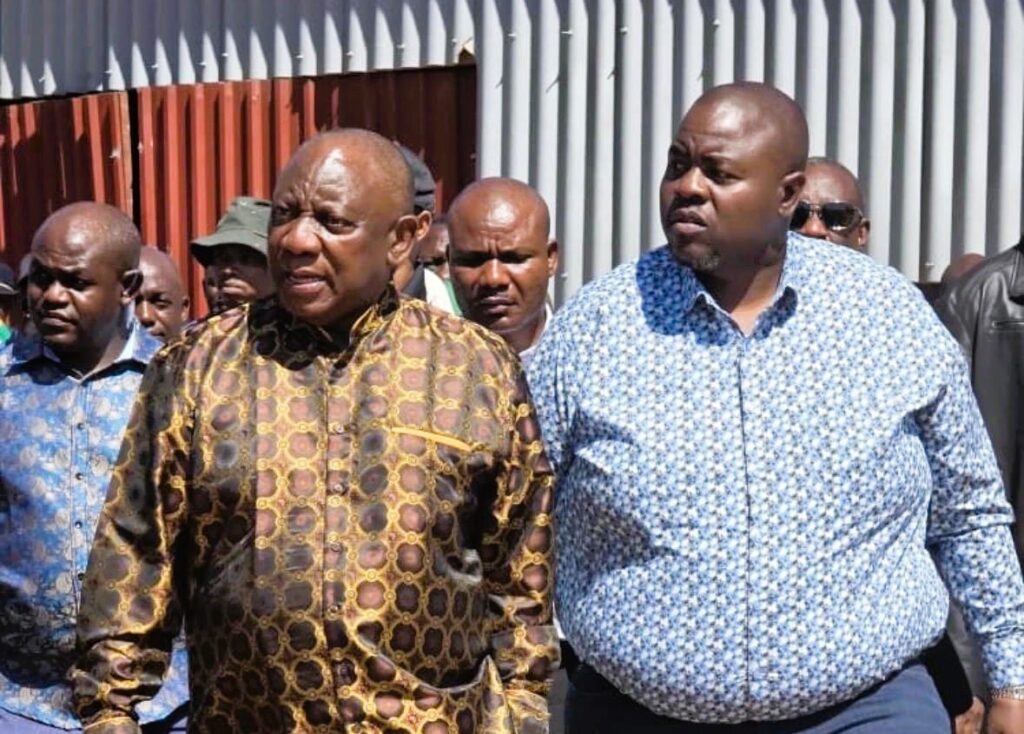
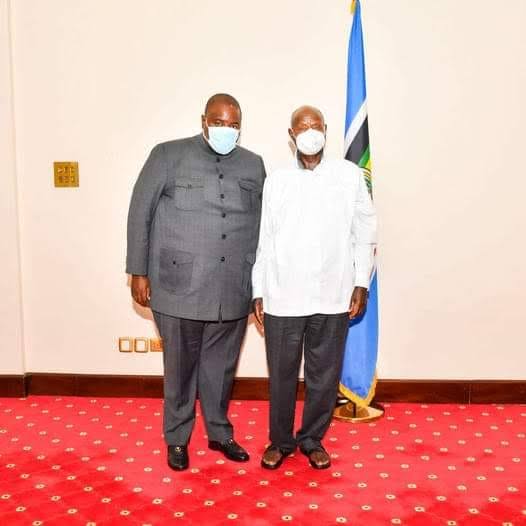
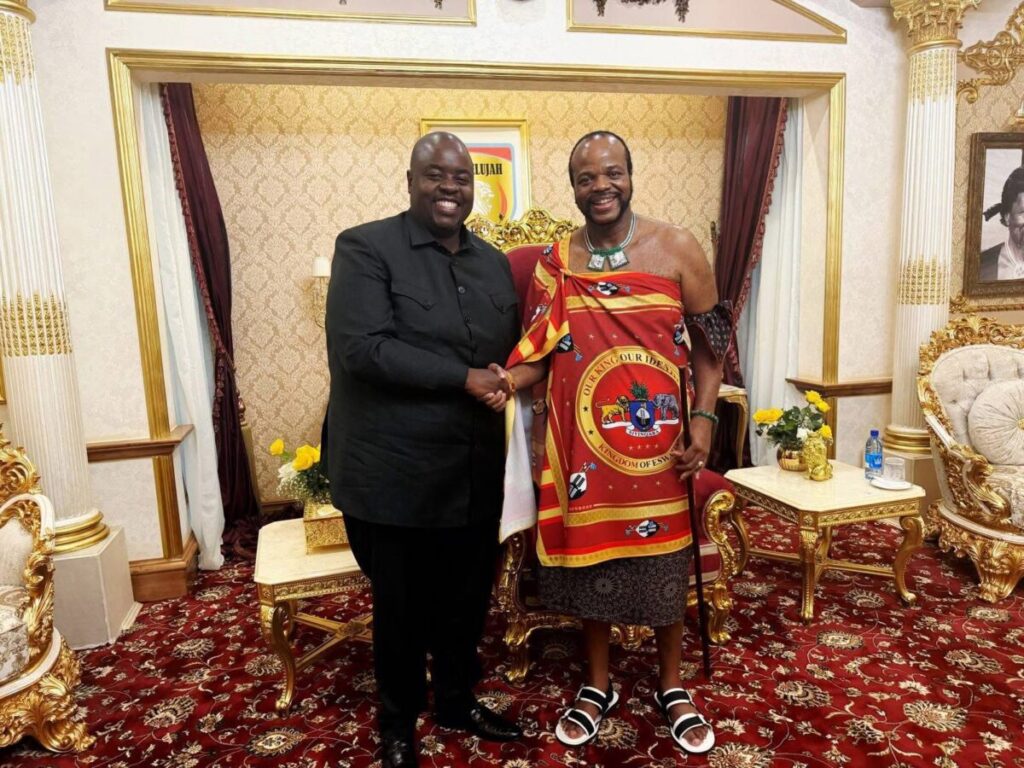
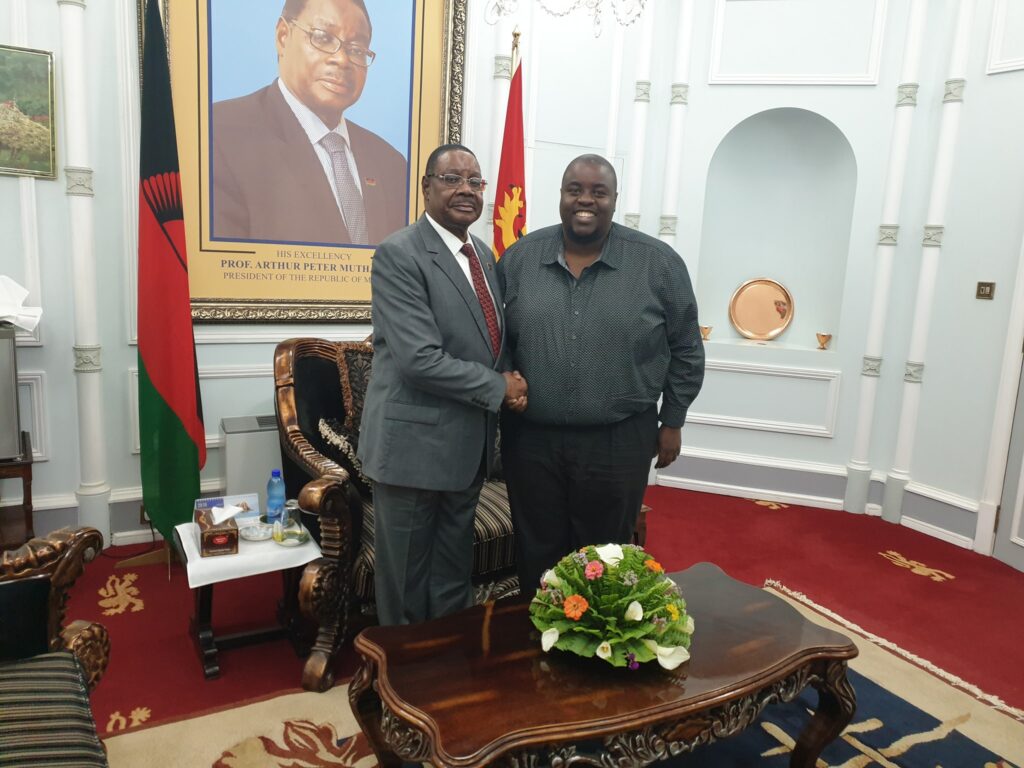
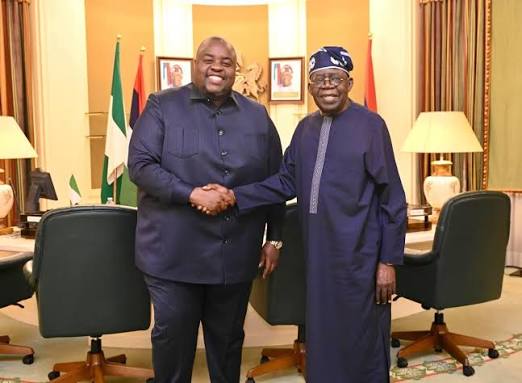
Chivayo held no elected office, cabinet post or formal diplomatic role. Yet photographs and video placed him repeatedly alongside some of Africa’s most powerful figures, among them Zimbabwe’s Emmerson Mnangagwa, Kenya’s Ruto, Tanzania’s Samia Suluhu Hassan, Uganda’s Yoweri Museveni and Nigeria’s Bola Tinubu. The images mattered less for the handshakes themselves than for what they suggested about the public persona Chivayo cultivated and the questions that arise when private wealth intersects with political power.
The Ruto Connection: A President at the Wheel
The most vivid illustration of that access came in August 2026. After attending a traditional engagement celebration for Ruto’s daughter Charlene at the family’s Intonna Heritage Farm in Kilgoris, Chivayo filmed the Kenyan president driving him towards a helipad.
“I am being driven by the President of Kenya,” he said on camera, voice rising with delight. “Being driven by the President of the Republic. Ah no no. God is the greatest.”
In a later post he expanded on the moment: “Imagine me sitting in the front passenger seat with my wife at the back while the President of the Republic of Kenya, the Head of State himself, was behind the steering wheel personally driving me to the chopper… Those three kilometres alone will forever remain one of the priceless journeys of my life.”
The occasion was social, not an announced government meeting. Yet the informal proximity acquired sharper meaning once Chivayo’s Kenyan business interests came under examination.
After the crash, Ruto issued a personal tribute. “I am deeply saddened by the tragic passing of my friend, Wicknell Chivayo, together with his wife, Lucy Muteke, and the other lives lost in the helicopter crash in Zimbabwe,” he wrote. “Wicknell was a dear friend whose warmth touched many people. I will remember him for his friendship, his energy and his deep conviction in the possibilities of our continent.”
The statement confirmed personal regard. It also left Kenyans asking how friendship, commercial ambition and presidential access co-exist when large public contracts are at stake.
The Airport Deal That Put Kenya on Edge
In June 2026, reports linked a company associated with Chivayo, IMC Construction Kenya, to a proposed Sh375 billion expansion of Jomo Kenyatta International Airport. The claim placed his Kenyan connections at the centre of a sensitive debate over procurement and infrastructure awards.
Kenya’s Transport Cabinet Secretary Davis Chirchir rejected the assertion. The company “did not participate in this project as a bidder and has no role, involvement or association whatsoever,” he stated. Reuters later reported that Kenya had signed a Sh154.2 billion (approximately US$1.2 billion) agreement with China Road and Bridge Corporation. The project aims to raise annual passenger capacity from 7.5 million to 22 million.
The documented sequence is clear: Chivayo’s reported links attracted scrutiny, the government denied any role for the firm associated with him, and the signed contract was with a Chinese contractor.
Gachagua’s Explosive Allegations
The most dramatic claims came from Rigathi Gachagua, Kenya’s former deputy president and a political rival of Ruto. Speaking to clergy in Boston on 4 October, Gachagua alleged that Chivayo had been used to hold money belonging to the Kenyan president and to facilitate financial transactions.
“There was a business partner of his, a crook from Zimbabwe called Chivayo. This man, because I was his deputy, so I know, they were doing business together,” he said. He further claimed Chivayo had been involved in money laundering and was holding more than KSh1.5 trillion (over US$11 billion) belonging to Ruto at the time of his death. Gachagua also alleged that the businessman was connected to a plan to influence Kenya’s 2027 election through election technology from a South Korean company, with Chivayo acting as intermediary.
Citizen Digital and other outlets noted that Gachagua offered no documentary evidence and that the claims could not be independently verified. Neither Ruto nor his representatives had publicly responded at the time of those reports. The political context matters: Gachagua and Ruto were once allies before their relationship collapsed into open rivalry. That history does not automatically disprove the allegations, but it makes independent evidence indispensable.
Why Was Chivayo So Often Photographed With Presidents?
Kenya was not an isolated case. Publicly documented encounters included Mnangagwa, Ruto, Samia Suluhu Hassan, Museveni, Tinubu, South Africa’s Cyril Ramaphosa and Eswatini’s King Mswati III, among others. The photographs projected a consistent image: a private businessman who could gain entry to the highest levels of African political leadership.
What did that access signify? Several possibilities exist. Relationships may have been cultivated through business discussions, philanthropy, social events and personal networking. Some encounters may have reflected genuine friendship; others may have arisen from commercial introductions. The photographs alone cannot determine which explanation applies in each instance.
Their frequency and visibility nevertheless raise a governance question that transcends any single individual: how should citizens distinguish legitimate business networking from relationships that risk creating conflicts of interest? When a businessman publicly displays proximity to presidents while companies linked to him appear in discussions of large public contracts, scrutiny is inevitable. Governments retain the responsibility to ensure that awards follow transparent procedures, irrespective of personal acquaintances.
Zimbabwe’s Tender Controversies and the Politics of Generosity
At home, Chivayo’s business record was closely tied to Intratrek Zimbabwe and the long-running Gwanda solar project, originally valued at approximately US$172 million. The project became entangled in disputes over delays, advance payments and contractual performance. Legal outcomes, however, cut against simple narratives of wrongdoing. Courts ruled that Zimbabwe Power Company’s termination of the contract was unlawful, and the Supreme Court upheld the contract’s validity. Chivayo and Intratrek were acquitted in criminal proceedings related to the project in March 2023 after a magistrate found unreasonable delay in prosecution.
Chivayo also faced scrutiny over allegations connected to Zimbabwe’s 2023 election procurement. The Zimbabwe Anti-Corruption Commission reportedly stated in December 2025 that it had found no evidence linking him or the Zimbabwe Electoral Commission to wrongdoing in that process.
These judicial and official outcomes must be recorded alongside the controversies. Allegations, investigations, acquittals and contractual disputes are distinct categories.
Alongside his commercial activities, Chivayo cultivated a public identity built on conspicuous philanthropy. He distributed luxury vehicles and cash to musicians, church leaders, sports clubs and other public figures. On the day he died he announced further gifts to two lawyers and a donation to Highlanders Football Club. Supporters saw generosity; critics questioned the relationship between visible spending, commercial interests and political access.
A Legacy That Extends Beyond Zimbabwe
Chivayo was declared a provincial hero. He and his wife, Lucy Muteke, were buried on 8 October 2026. His death has not closed the debate over his business record; it has widened it, particularly through the questions raised about his relationship with Ruto.
The most revealing feature of Chivayo’s public life may be the intersection of three forces: private wealth, political access and public generosity. His photographs with presidents demonstrated proximity. His philanthropy demonstrated the power of money to generate a following. His disputed commercial dealings generated questions about how success and political relationships intersect.
What remains unproven is any suggestion that those photographs, friendships or contested business links establish wrongdoing by the presidents involved. The necessary task is to separate documented transactions from political allegation, and verifiable evidence from the assumptions that appearances encourage.
Chivayo’s life offered a striking portrait of a businessman who made access to power part of his public identity. His death leaves African governments with a continuing question: can the relationships between political leaders and wealthy private citizens be rendered transparent enough that citizens no longer have to guess what lies behind the photographs?