By a Correspondent
More than 40.3 million people across six countries in the Horn of Africa are facing high levels of acute food insecurity in 2026, according to a new regional report.
The eighth edition of the Intergovernmental Authority on Development IGAD Regional Focus of the Global Report on Food Crises says 34 percent of the population analysed in Djibouti, Kenya, Somalia, South Sudan, Sudan and Uganda is experiencing acute food insecurity.
IGAD is a regional trade bloc and African Union economic community in Africa focused on development, food security, and peace in the Horn of Africa
The report, released in September by the IGAD Climate Prediction and Applications Centre (ICPAC), warns that food crises have worsened in Djibouti, Kenya, Somalia and South Sudan, despite an overall decline in the regional figure from 43.3 million people in 2025.
The improvement was largely attributed to better conditions in Sudan and Uganda.
Sudan remains the region’s largest food crisis, with 19.5 million people facing high levels of acute food insecurity between February and May 2026.
South Sudan has the highest proportion of its population affected, with 55 percent facing acute food insecurity between April and July.
More than 10 million people across the six countries were experiencing Emergency levels of food insecurity, classified as IPC Phase 4, while more than 208,000 people in Sudan and South Sudan were in Catastrophe conditions, or IPC Phase 5.
The report also identifies a risk of famine in parts of Sudan, South Sudan and Somalia, with conflict, displacement and restrictions on humanitarian access worsening the situation.
Climate-related shocks are adding to the pressure, with poor rainfall and other weather extremes affecting communities already struggling with high food and fuel prices.
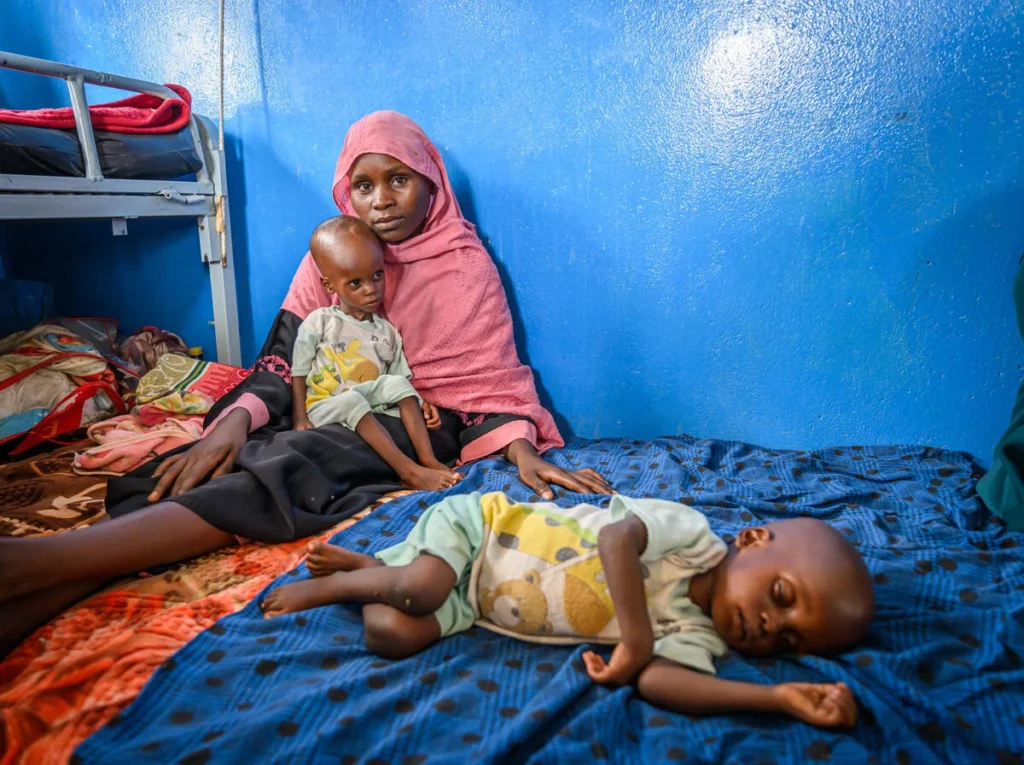
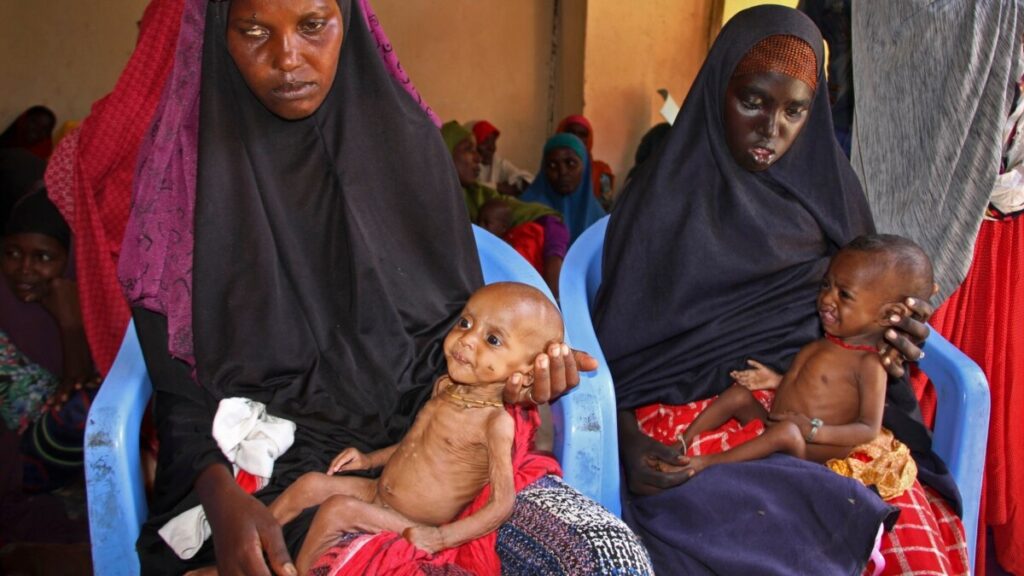
The region is also facing a major child nutrition crisis, with more than nine million children aged between six months and five years requiring treatment for acute malnutrition.
Of these, about 2.3 million are suffering from severe acute malnutrition, according to the report.
Displacement is another major concern.
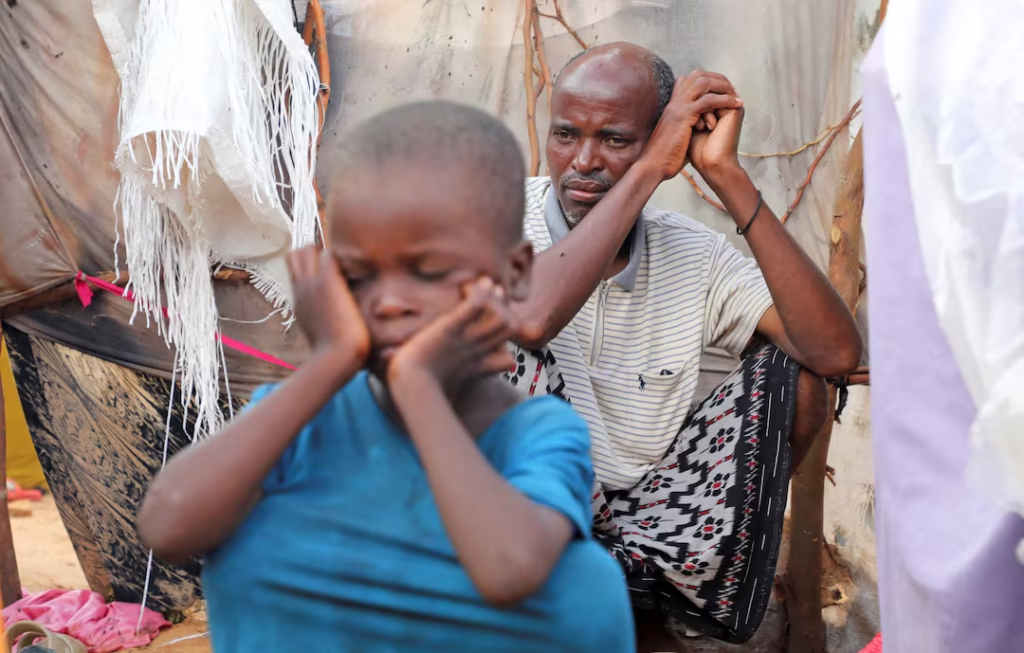
By the end of July 2026, about 19 million people across the six countries were living in forced displacement, including nearly 14.5 million internally displaced people and 4.5 million refugees and asylum seekers.
The report says displacement often cuts families off from livelihoods and makes access to food and basic services more difficult.
IGAD Executive Secretary Dr Workneh Gebeyehu called for a shift in the way the region responds to food crises, urging greater emphasis on anticipation, investment in resilient food systems and regional cooperation.
He said hunger increasingly crosses national borders through the movement of people and livestock, as well as through pests and food prices.
The findings come against a backdrop of continuing conflict, economic shocks, climate extremes and reduced humanitarian funding, which are combining to deepen food insecurity in parts of the region.
The Global Report on Food Crises is produced through a multi-agency process involving organisations including the Food and Agriculture Organisation, World Food Programme and the Global Network Against Food Crises.