
By a Correspondent
UN Women Regional Director for East and Southern Africa Anna Mutavati has warned that gender quotas, originally introduced as temporary measures to boost women’s political participation, are increasingly being used to sideline women from contesting competitive electoral seats.
Speaking during a panel discussion to mark the International Day of Democracy, organised by HIVOS, Mutavati said temporary special measures such as gender quotas were adopted across Africa to address the underrepresentation of women in decision-making positions.
She said the measures had played a critical role in increasing the number of women entering Parliament and public office but noted that some countries were now relying on quota systems instead of creating pathways for women to compete in mainstream electoral contests.
“We adopted the gender quota as a temporary special measure to close the gap because we cannot continue having little or no representation of women in decision-making,” said Mutavati.
However, she warned that the same mechanisms are now being used “systematically to sideline women from competitive elections,” leaving some women confined to affirmative action seats for decades.
Mutavati said quotas should serve as an entry point for women to gain political experience before contesting constituency-based elections, rather than becoming permanent positions that limit their political advancement.
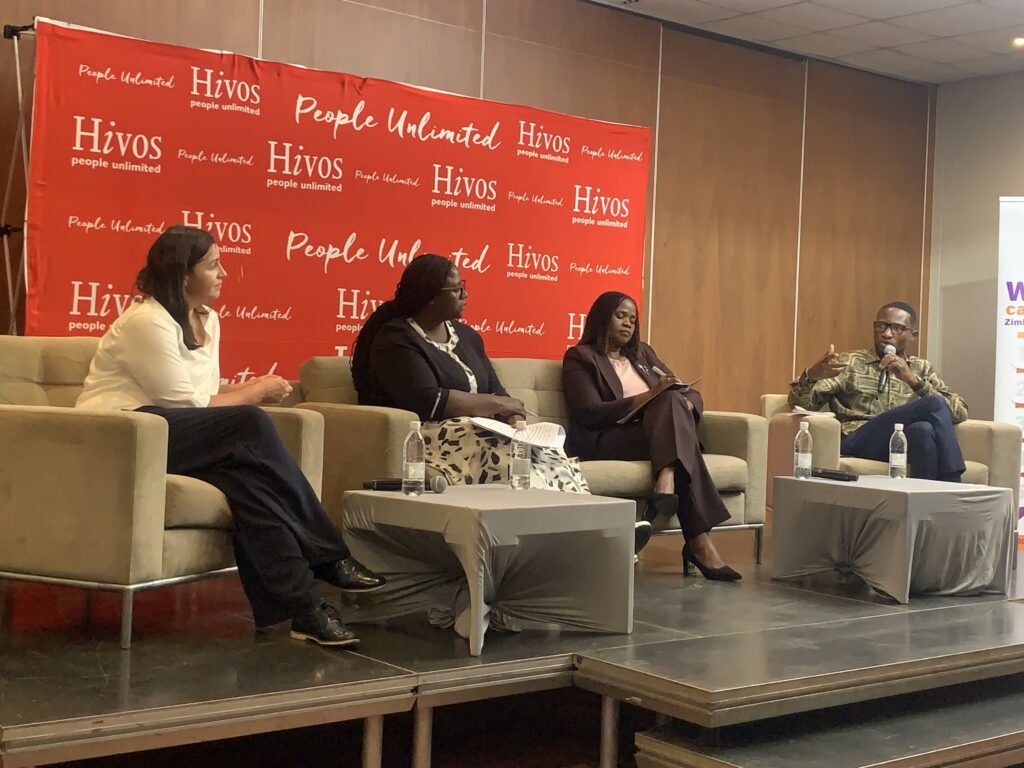
She stressed that political parties have a key role to play by opening up opportunities for women to contest elections on party tickets and ensuring they are not restricted to reserved seats.
The UN Women regional director also highlighted the high cost of elections as a major barrier to women’s participation in politics, saying campaign financing requirements often put elective office beyond the reach of many aspiring female candidates.
She further raised concern over violence against women in politics, including online abuse and harassment.
Mutavati said women seeking public office are frequently subjected to attacks on social media, where personal information, family backgrounds and private lives are used to discredit them.
“The dehumanisation of women on social media, physical violence and economic violence all discourage women from coming forward to contest elections,” she said.
She called for comprehensive reforms to create a safer and more enabling environment for women in politics, including stronger protections against electoral violence and greater public support for female candidates.
Mutavati said addressing women’s political underrepresentation requires more than constitutional provisions and electoral reforms, arguing that political, economic and social barriers must also be tackled to ensure women can participate fully and equally in democratic processes.



