
By Tichaona Katsvamutima
The United States will end its support for health programmes in Zimbabwe at the end of September following the government’s decision to reject a new bilateral health funding agreement, US Ambassador Pamela Tremont has said.
The decision will bring to an end more than two decades of extensive US support for Zimbabwe’s health sector, particularly in the fight against HIV and AIDS.
Over the years, US-funded programmes have supported access to antiretroviral drugs (ARVs), HIV prevention services, post-exposure prophylaxis (PEP), pre-exposure prophylaxis (PrEP), condoms and other reproductive health commodities, as well as allowances and other forms of support for health workers.
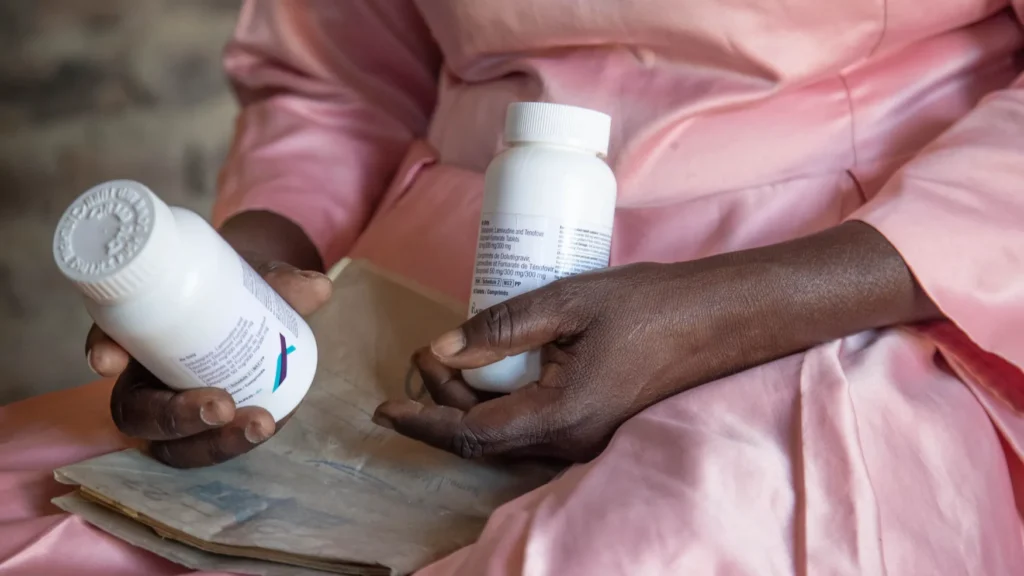
The assistance has also supported HIV testing, treatment and prevention programmes across the country.
Speaking at her residence, Tremont said Zimbabwe had made significant progress in controlling the HIV epidemic, with more than 95% of people living with HIV receiving treatment.
“For more than two decades, the United States and Zimbabwe have worked together to strengthen health systems and expand access to HIV prevention, care, and treatment,” Tremont said.
“Because of that, Zimbabwe has achieved HIV epidemic control, with more than 95% of people living with HIV receiving treatment. That is a tremendous achievement, and we should all be proud of what we have done together.”
“The priority now is to sustain these gains through strong national systems, continued access to quality services, and Zimbabwean leadership.”
Zimbabwe is regarded as one of the countries in the region to have made substantial progress against HIV.
The impending end of US-supported programmes follows months of negotiations between Harare and Washington over a new health memorandum of understanding (MoU).
The proposed framework was part of a broader change in the way the United States delivers health assistance internationally, with greater emphasis on recipient governments contributing to and eventually sustaining programmes that have historically depended heavily on US funding.
Tremont said the new model was designed to establish partnerships and co-investment between the United States and recipient countries.
“As most of you by now know, the United States has changed the way it delivers health assistance around the world, with a new Health MOU structure that creates partnerships with and co-investment from recipient countries,” she said.
“With Zimbabwe’s decision to decline a bilateral health MOU, U.S.-supported health programs will conclude at the end of September.”
She said the US respected Zimbabwe’s decision and was working with the Ministry of Health and Child Care and other partners to ensure the withdrawal was handled responsibly.
“We respect Zimbabwe’s sovereign decision, and my health team from the Embassy is working diligently with the Ministry of Health and Child Care and other partners to ensure a thorough and responsible handover,” Tremont said.
The proposed funding arrangement became contentious during negotiations, with Zimbabwe ultimately declining to sign the agreement.
The government subsequently criticised aspects of the proposed arrangement and publicly claimed that Washington had sought access to health data and key Zimbabwean minerals as part of the deal.
The end of US health assistance is expected to place additional pressure on Zimbabwe to maintain programmes that have benefited from American financial and technical support for more than 20 years.
The transition comes at a time when the country is seeking to sustain its progress in HIV prevention and treatment while strengthening domestic financing for healthcare.
The United States’ attention will now place greater emphasis on trade, investment and broader economic relations with Harare.
“The United States Embassy will be here to pursue areas of mutual interest with the government and people of Zimbabwe for years to come,” she said.
“And there are tremendous opportunities that lie before us.
“The U.S.-Zimbabwe relationship now pivots: from one largely focused on health and humanitarian assistance, to one built on broader economic, trade and investment opportunities to drive prosperity for Zimbabweans and Americans alike. This marks the beginning of that new chapter.”



