Midlands Correspondent
As Zimbabwe joined the rest of the world in commemorating the Global Week for Action on Non-Communicable Diseases (NCDs), an NCD advocacy organisation has called on the government to move beyond policy commitments and take concrete steps to improve healthcare delivery.
Champions Without Borders (CWB) founding director Jacob Ngwenya (pictured) urged political leaders to translate commitments made at the global level into action at national and sub-national levels to address the growing burden of NCDs.
“We are calling upon our political leaders to continue in the same vein that they made commitments at global level and implement them at national and sub-national level to save lives,” Ngwenya said.

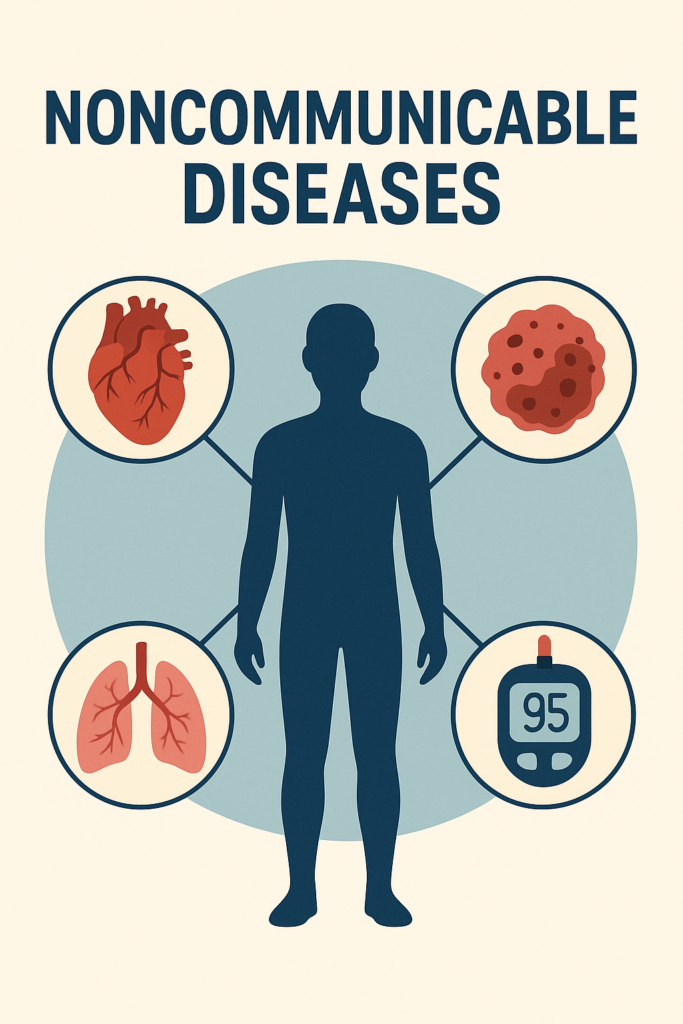
NCDs are long-term health conditions that are generally not caused by infectious agents and cannot be transmitted from one person to another. They include cancer, diabetes, cardiovascular diseases such as heart disease and stroke, and chronic respiratory diseases such as asthma and chronic obstructive pulmonary disease (COPD).
Risk factors for NCDs include tobacco use, unhealthy diets, physical inactivity, harmful use of alcohol and exposure to air pollution, while genetics, ageing and other factors can also contribute. The diseases can result in prolonged illness, disability and premature death, placing a significant burden on individuals, families and healthcare systems.
Ngwenya said although the government had made several commitments to address NCDs, effective implementation was critical to ensuring that these pledges translated into meaningful improvements in healthcare services.
“Commitments alone don’t save lives. Commitments alone don’t eradicate drug stockouts, so we need an implementation plan for those commitments,” he said.
Ngwenya also called for increased investment in the prevention, diagnosis and treatment of NCDs, arguing that healthcare spending should be viewed as an investment rather than a cost.
“Without investing into NCDs there is nowhere we are going. We don’t need to take NCDs as a health cost but an investment with high returns,” he said.
He further stressed the importance of involving people living with NCDs in policy formulation and decision-making processes affecting their health.
“We need to involve people with lived experience of NCDs since the people who are closest to the problem are also closest to the solution,” Ngwenya said.
He also called for greater accountability in the implementation of NCD policies and programmes, saying authorities needed to regularly assess progress against their commitments.
“We also need to be accountable in our plans on NCDs, how we are implementing them, where we are and where we are going,” he said.
The Global Week for Action on NCDs, which ran from August 31 to September 4, is an annual campaign led by the NCD Alliance to bring together governments, civil society organisations, people living with NCDs, health professionals and communities to accelerate action against non-communicable diseases.
This year’s campaign was held under the theme, “Leadership in Focus: From Commitments to Delivery,” highlighting the need for governments to translate health commitments and policies into tangible action and improved outcomes for people living with NCDs.