A Las Vegas jury has found former gang leader Duane “Keffe D” Davis guilty of the murder of hip-hop icon Tupac Shakur, bringing a nearly three-decade-old mystery to a dramatic conclusion.
Davis, 63, was convicted on Monday of first-degree murder with the use of a deadly weapon following an 11-day trial in Clark County, Nevada. Jurors deliberated for less than three hours before reaching their verdict.
He faces a maximum sentence of life in prison without the possibility of parole. His sentencing is scheduled for October 13, and Davis told the court that he plans to appeal the conviction.
The conviction marks the first time anyone has been held criminally responsible for Shakur’s killing, one of the most closely watched unsolved murders in music history.
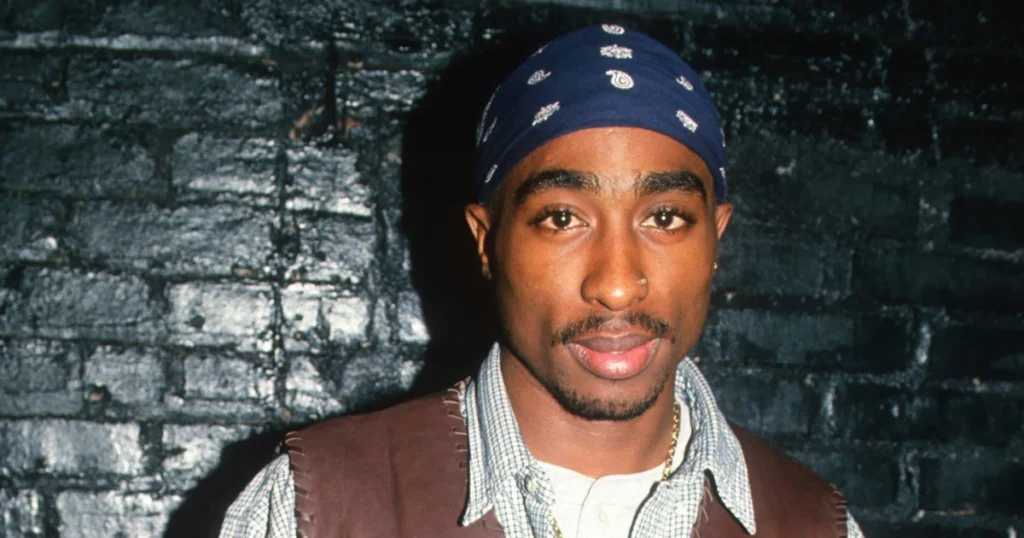
Shakur, widely regarded as one of the most influential rappers of all time, was shot on September 7, 1996, while riding in a BMW driven by Death Row Records co-founder Marion “Suge” Knight on the Las Vegas Strip. A white Cadillac pulled alongside the vehicle at a red light and gunmen opened fire.
Shakur was struck multiple times and died six days later, on September 13, 1996, at the age of 25. Knight survived the attack.
Prosecutors said Davis organised the attack
Although Davis was not accused of firing the fatal shots, prosecutors argued that he organised the attack and supplied the firearm used by one of the men in the back seat of the Cadillac.
The prosecution said the shooting was an act of retaliation following an altercation earlier that night at the MGM Grand hotel-casino.
Shakur, Knight and members of their entourage had been involved in a physical confrontation with Orlando “Baby Lane” Anderson, Davis’ nephew and a member of the South Side Compton Crips. Anderson was beaten by members of Shakur’s group after a Mike Tyson boxing match.
Prosecutors argued that Davis subsequently assembled a group of gang associates, obtained a handgun and went looking for Shakur and Knight.
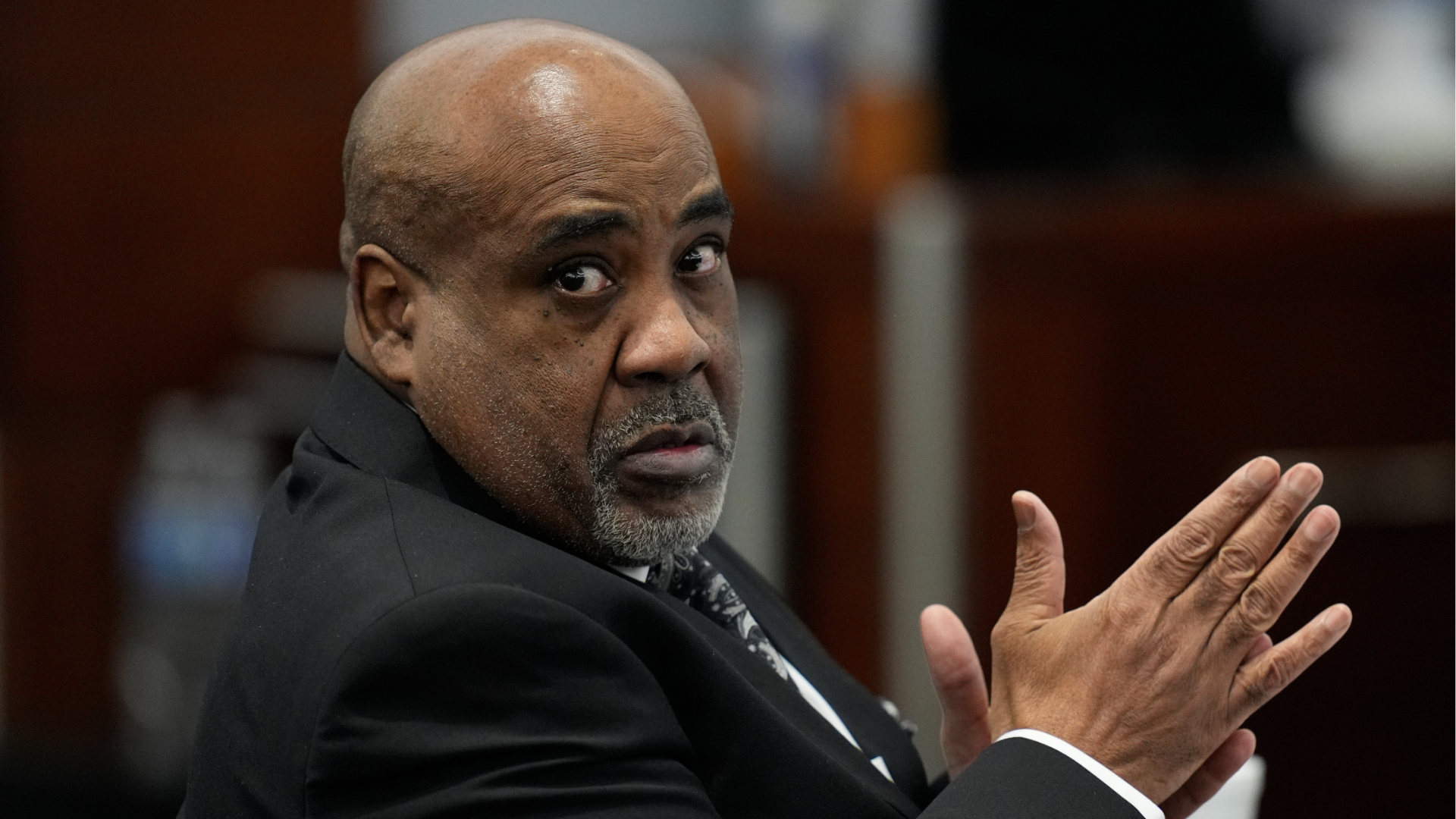
Davis himself had previously described the events in interviews, a 2019 memoir and recordings made during meetings with investigators. Prosecutors relied heavily on those statements during the trial.
According to prosecutors, Davis and three other men travelled in a white Cadillac and eventually encountered Shakur and Knight. Davis said he passed a gun to the back seat, after which one of the men opened fire on the vehicle carrying the rapper.
The prosecution never identified the person who actually pulled the trigger.
The three other men believed to have been in the Cadillac have since died, including Anderson, who was killed in 1998. Under Nevada law, prosecutors were able to pursue Davis for murder based on his alleged role in organising and participating in the killing, even though he was not the gunman.
A case that reshaped hip-hop
Shakur’s death became one of the defining tragedies of 1990s popular culture and deepened the mythology surrounding the violent rivalry between East Coast and West Coast hip-hop.
At the time of his death, Shakur was at the height of his career, having established himself as a rapper, actor and cultural figure. His albums, including All Eyez on Me, had made him one of the biggest stars in music.
His murder came amid tensions between artists associated with Los Angeles-based Death Row Records and rivals on the US East Coast. The conflict was closely intertwined with gang rivalries in Los Angeles.
The killing also occurred just months before the murder of another major hip-hop figure, The Notorious B.I.G., whose death in Los Angeles in March 1997 likewise remained unsolved for decades.
For years, theories surrounding Shakur’s death ranged from gang retaliation to wider conspiracies involving the music industry. Davis’ public statements eventually helped investigators revive the case.
Police arrested Davis in 2023, nearly 27 years after the shooting. His indictment transformed what had long been regarded as a cold case into a criminal prosecution.
Agencies