By Gabriel Manyati
The Nigerian government has voiced deep frustration over the persistent mistreatment of its citizens in South Africa, where a fresh wave of xenophobic attacks has prompted urgent evacuation plans.
As arrangements for voluntary repatriation advance, officials in Abuja have highlighted the irony of Nigerians facing hostility in a nation they once helped liberate from apartheid.
Minister of Foreign Affairs, Ambassador Bianca Odumegwu-Ojukwu, addressed State House correspondents in Abuja on Monday, expressing the Federal Government’s displeasure. She noted that many affected Nigerians are legitimate residents and business owners who have contributed to the South African economy, yet continue to endure harassment, intimidation, and looting of their properties.
“Our citizens are being harassed, their properties are being looted, criminal actions are being perpetrated against our citizens, and the police refuse to do anything,” she stated firmly.
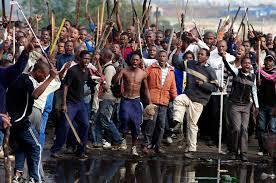
This latest crisis builds on a long pattern of anti-foreigner violence in South Africa. Since the end of apartheid in 1994, periodic outbreaks have targeted African migrants, particularly in townships around Johannesburg, Durban, and Pretoria.
Major surges occurred in 2008, when dozens died and thousands were displaced, followed by deadly riots in 2015 and 2019 that specifically hit Nigerian-owned shops and businesses. In each instance, locals blamed foreigners for unemployment, crime, and strained public services amid South Africa’s high joblessness rate, which hovers around 40 percent in many areas.
Nigeria’s historical role adds bitterness to the current tensions. During the anti-apartheid struggle, Nigeria committed substantial resources, funds, and diplomatic efforts to support the African National Congress and frontline states.
Successive Nigerian governments provided passports to South African exiles, backed international sanctions, and mobilised public donations, including from schoolchildren, to aid the fight against white minority rule. Estimates suggest Nigeria contributed over US$60 billion in various forms of support between the 1960s and 1990s.
“Nigeria is not happy because Nigeria has sacrificed much for the South African struggle for independence. Nigeria sacrificed quite a lot, committed funds, committed resources to aid South Africa,” Odumegwu-Ojukwu emphasised.
She dismissed claims that most victims are undocumented migrants, stressing that law-abiding entrepreneurs have seen their livelihoods destroyed. South African authorities have faced criticism for inadequate responses, with police often accused of inaction during attacks.
Recent protests by groups advocating stricter immigration controls, including demands for foreigners to leave by 30 June, have heightened fears. Incidents in Durban and other provinces have included shop lootings and physical assaults, prompting not only Nigeria but also Ghana and other nations to organise returns.
President Bola Tinubu has directed the completion of evacuation logistics. An aircraft, likely from Air Peace, will transport willing Nigerians home, with coordination involving the National Emergency Management Agency. A crisis response unit operates from Nigerian missions in Johannesburg and Pretoria to assist affected persons across provinces.
Over 1000 Nigerians have reportedly shown interest, with initial flights targeting hundreds after documentation and screening. South Africa has reportedly agreed to ease exit procedures for those without criminal issues.
The government is also preparing rehabilitation support for returnees who lost businesses. Diplomatic channels remain open, with Nigeria pressing for stronger protection of its nationals while South African leaders condemn the violence and promise action.
This episode underscores broader challenges in intra-African relations. While economic ties between Africa’s two largest economies remain significant through trade and investments, recurring xenophobia strains goodwill built over decades. Many Nigerians in South Africa operate in retail, services, and other sectors, filling gaps but often becoming scapegoats during economic hardship.
Odumegwu-Ojukwu reiterated that the evacuation is voluntary and orderly. “The Federal Government will press on with diplomatic engagement with South African authorities while ensuring the safety and orderly return of Nigerians caught up in the crisis,” she added.
As flights prepare to depart, the situation serves as a reminder of unfinished business in building genuine solidarity across the continent. Nigerians at home and abroad watch closely, hoping for lasting solutions beyond temporary repatriations.