By Sukoluhle Ndlovu
Amnesty International has urged African leaders to confront Russia over allegations that African nationals are being lured into the country’s military with promises of well-paying jobs and citizenship before being sent to fight in Ukraine.
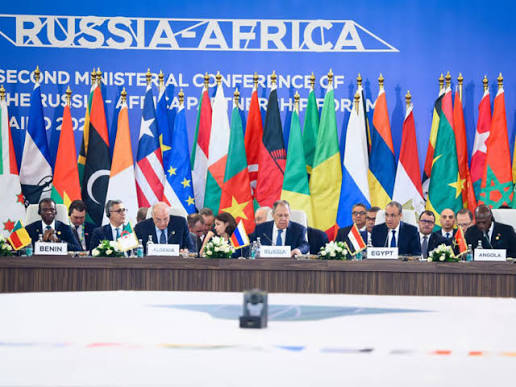
In an open letter ahead of the 2026 Russia-Africa Summit, Amnesty International called on African governments to demand a halt to the recruitment of Africans and other foreign nationals until effective measures to prevent human trafficking and exploitation are in place.
The human rights organisation said some recruits were deceived about the nature of the work they would be doing in Russia, only to find themselves deployed to the front line with little or no military training.
Others reportedly had their passports confiscated and forced to sign documents they could not understand and threatened when they tried to leave.
“For you as African leaders, silence on this issue would be a profound disservice to the people of your countries,” Amnesty International said.
The organisation said the practices amounted to human trafficking in many cases and urged African leaders to raise the issue directly with Russian authorities during the 2026 Russia-Africa Summit.
It also expressed concern over reports that migrants and refugees living in Russia were being pressured into military service through threats of detention, deportation or other penalties.
Amnesty International called for investigations into the alleged trafficking, including the prosecution of public officials involved in recruiting foreign nationals through coercion or deception.
It further urged Russia to release African nationals and other foreign recruits who wish to leave its military, without threats or punishment, and ensure their safe departure from the front line.
The organisation said African governments should defend their citizens against exploitation for foreign military interests.
The letter was signed by Amnesty International directors from Nigeria, Togo, Sierra Leone, Tunisia, Kenya, Ghana, South Africa and Côte d’Ivoire.