By Tichaona Katsvamutima
A natural resource watchdog has taken its concerns over Chinese-linked mining operations in Zimbabwe to Beijing’s diplomatic representative in Harare, calling for action over what it alleges are environmental violations, regulatory breaches and growing tensions between mining companies and local communities.
In an open letter addressed to Chinese Ambassador Zhou Ding, the Centre for Natural Resource Governance (CNRG) said it had received complaints from communities across Zimbabwe concerning mining operations involving Chinese nationals and companies.
The organisation said the complaints included alleged destruction of landscapes, forests and water sources.
CNRG said it expected Chinese companies operating in Zimbabwe to meet the same standards of environmental responsibility, community engagement, transparency and legal compliance expected of companies operating in China.
“We write to express our deep concern and strongest objection to the increasingly widespread, environmentally destructive and, in some instances, reportedly unlawful mining activities involving Chinese-owned or Chinese-linked mining operations in Zimbabwe,” CNRG said.
The watchdog said it was increasingly concerned about tensions between communities and some Chinese nationals and companies involved in mining, warning that the situation should not be allowed to worsen.
CNRG stressed that its intervention was not an attack on China or Chinese nationals, but an appeal for responsible investment that protects communities and Zimbabwe’s natural heritage.
“Genuine friendship between nations should be reflected not only in trade, investment and infrastructure development, but also in respect for the people, communities and natural heritage of the host country,” it said.
CNRG said Zimbabwe welcomes responsible investment but should not be expected to accept investment that damages the environment or puts communities at risk.
“The people of Zimbabwe welcome responsible investment. What they cannot be expected to welcome is investment that destroys their environment, disregards their concerns and places their communities at risk,” the organisation said.
The watchdog cited concerns in Christmas Pass in Mutare, Boterekwa in Shurugwi, Penhalonga, the Mutare River basin, Mberengwa and other parts of the Great Dyke.
In Penhalonga and the Mutare River basin, CNRG said communities had reported “blasting, dust and noise pollution, damage to homes, water siltation, displacement of wildlife and fears of cyanide or mercury contamination of water sources.”
In the Midlands, the organisation said communities around Mberengwa, Shurugwi and other parts of the Great Dyke had raised concerns over open pits, river degradation, unsafe mine shafts, cracked homes allegedly caused by blasting and inadequate rehabilitation after mining activities.
CNRG also cited reports from Boterekwa, Mutoko, Mazowe, Odzi and the Haroni-Rusitu area involving alleged land degradation, river pollution, damage to protected or sensitive landscapes and weak enforcement of environmental safeguards.
“Such examples point to a wider pattern that requires urgent diplomatic, regulatory and corporate attention,” CNRG said.
The organisation described the Christmas Pass case as particularly concerning because of the reported proximity of mining activities to Hillcrest College, a premier educational institution on the outskirts of Mutare.
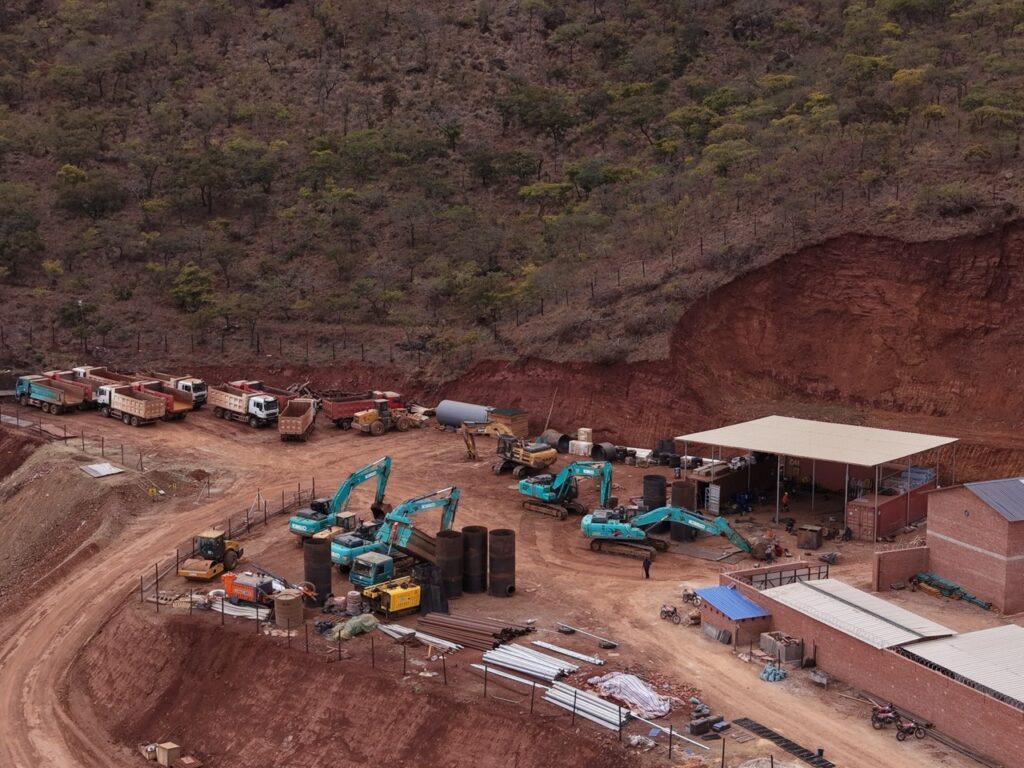
“The Christmas Pass case is especially alarming because reported concerns go beyond environmental degradation alone,” CNRG said.
It alleged that the dispute involved the “failure to obtain or comply with required Environmental Impact Assessment processes”, the reported issuance of rehabilitation or stop-work directives, continued excavation despite public objections and the exposure of learners, residents, homes and public infrastructure to what it described as avoidable danger.
“These issues raise serious questions about accountability, regulatory compliance and the duty of investors to respect the communities in which they operate,” CNRG said.
The organisation questioned how mining activities could be permitted so close to a school without full compliance with Zimbabwean environmental and planning requirements.
“We find it difficult to understand how mining activities can be permitted in such close proximity to a school without full compliance with Zimbabwe’s environmental and planning requirements, including approved environmental assessments, adequate buffer zones, rehabilitation plans and meaningful consultation with affected stakeholders,” it said.
CNRG said communities directly affected by mining decisions should not have their concerns dismissed as an inconvenience to investment.
“Where communities are directly affected by decisions concerning their land, environment and safety, their concerns cannot simply be treated as an inconvenience to mining investment,” the organisation said.
The watchdog appealed to Ambassador Zhou to encourage Chinese nationals and companies operating in Zimbabwe to comply fully with the country’s environmental, mining, land-use and planning laws.
It also called for environmental assessments to be conducted before mining operations are started or expanded, meaningful consultation with affected communities, respect for environmentally, culturally and socially sensitive areas, and measures to ensure that mining does not place schools, communities or water sources at unreasonable risk.
“We believe that no mining investment—regardless of the nationality of its owners—should be permitted to operate above the law or at the expense of the safety, dignity and environmental rights of local communities,” CNRG said.
CNRG also raised concerns over the alleged involvement of Zimbabwean political and business interests in mining, arguing that such influence should not override legal and environmental requirements.
“The fact that some Zimbabwean political or business elites may have interests in mining operations does not legitimise activities that are otherwise unlawful or environmentally destructive,” it said.
“Political influence or private economic interests cannot substitute for compliance with the law, environmental safeguards and the rights of affected communities.”
CNRG urged the ambassador to use his office to encourage Chinese companies and nationals operating in Zimbabwe to comply with local laws and to work with Zimbabwean authorities and affected communities to resolve existing disputes and prevent further escalation.
“We respectfully request your urgent intervention,” CNRG said.