By a Correspondent
Bulawayo City Council has authorised its management to engage Geo Pomona Waste Management over a possible long-term solution to the city’s worsening waste management crisis, including the problems at the Richmond Landfill, commonly known as Ngozi Mine.
The decision follows a Government directive for the council and Geo Pomona to work towards an agreement after President Emmerson Mnangagwa ordered urgent action to address pollution from the landfill.
Local Government and Public Works Minister Daniel Garwe directed the council on September 10 to engage Geo Pomona, with Government initially giving the parties a week to conclude an agreement.
However, council has stopped short of committing itself to a deal.
Bulawayo Mayor David Coltart said councillors had resolved that management should engage Geo Pomona and establish what the company could offer before any agreement was considered.
“We noted the Minister’s directive and we passed a resolution allowing management to enter into an engagement with Geo Pomona to see what they can offer,” Coltart said.
He said the council would assess whether the company’s proposal was consistent with the city’s long-term waste management vision and determine the financial implications.
“Are they able to offer something which meets the vision that I’ve just spoken about? What will it cost?” he said.
Coltart said management would subsequently bring a draft memorandum of understanding back to council for consideration.
“Once they have done that, they will then come back to us with a draft memorandum of understanding for council to consider that and to consider whether that is in the best interests of the residents of Bulawayo,” he said.
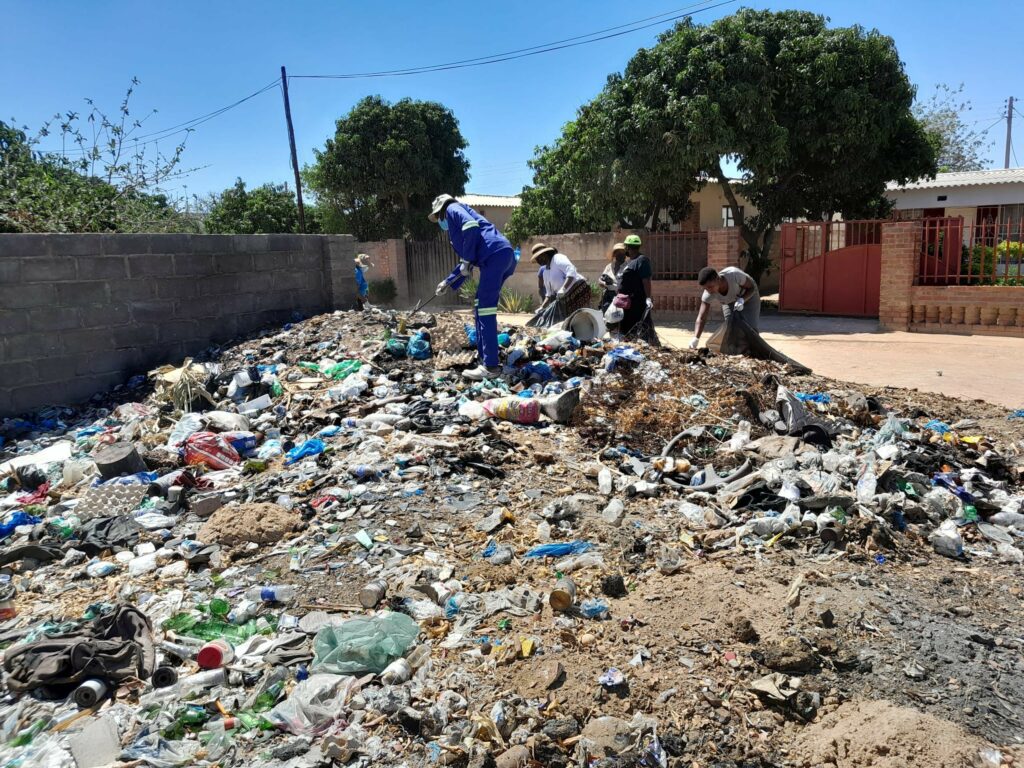
The development comes as Ngozi Mine remains at the centre of a worsening environmental and public health crisis.
The landfill has experienced recurring fires and smoke emissions, affecting surrounding communities including Cowdray Park, Emakhandeni and Luveve. Council officials have previously attributed the recurring fires partly to inadequate waste-compaction equipment, which makes it difficult to properly compact and cover waste at the site.
Residents have for years complained about thick smoke and foul-smelling fumes from the landfill, with the latest Government intervention coming amid renewed concerns over the impact on communities living near the dumpsite.
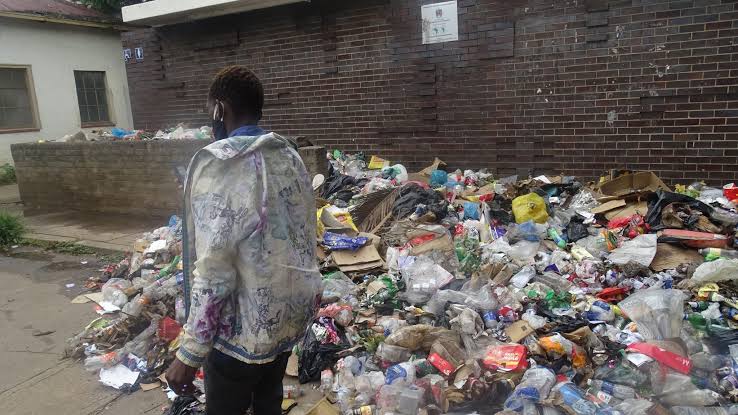
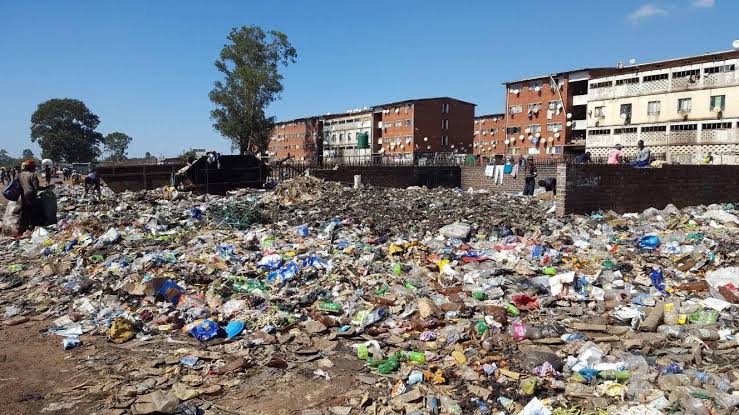
The crisis has also exposed the wider challenges facing Bulawayo’s waste collection and disposal system, including waste accumulation and the need to rehabilitate and eventually decommission the existing landfill.
Council’s own sustainability plans envisage a possible waste-to-energy project at Ngozi Mine, involving public-private partnerships and technology such as pyrolysis to convert waste into energy while reducing waste accumulation and landfill emissions.
Geo Pomona has been presented by Government as a potential partner based on its waste management activities in Harare. The company has said it is ready to help address the Ngozi Mine crisis.
The proposed arrangement has, however, attracted criticism from residents’ groups and civil society organisations, which have called for transparency, public scrutiny and compliance with procurement procedures. They have also questioned the decision to fast-track engagement with a specific company while the city’s own procurement process was still underway.
Coltart said the council understood the urgency of the Ngozi Mine crisis but wanted any eventual solution to prioritise the interests of Bulawayo residents.
“I just want to assure residents of two things. Firstly, we understand that the Ngozi Mine situation is urgent, and secondly, we understand that residents want something which is in the best interests of residents primarily rather than third parties,” he said.